EMAIL US FOR PRINT REQUESTS
PRICING + SIZES
Intimate Prints - Any image without a size - we encourage pairs or clusters:
2”x4” = $ 150 - includes a 1/4” white border
Select Enlarged Prints - Size Noted with number below:
4”x6” - $ 250
8.5”x13” - $ 800
36”x24” - $ 1,800
We welcome other inquiries for enlargements upon request. The photos are beautiful large. All proceeds go to the artist.
![Dressing Room - [13"x8.5"]](https://images.squarespace-cdn.com/content/v1/6a1d9911d875d348e09d9bf2/58430911-be27-46a7-8311-c7dceef986b5/38600004.jpg)
Dressing Room - [13"x8.5"]
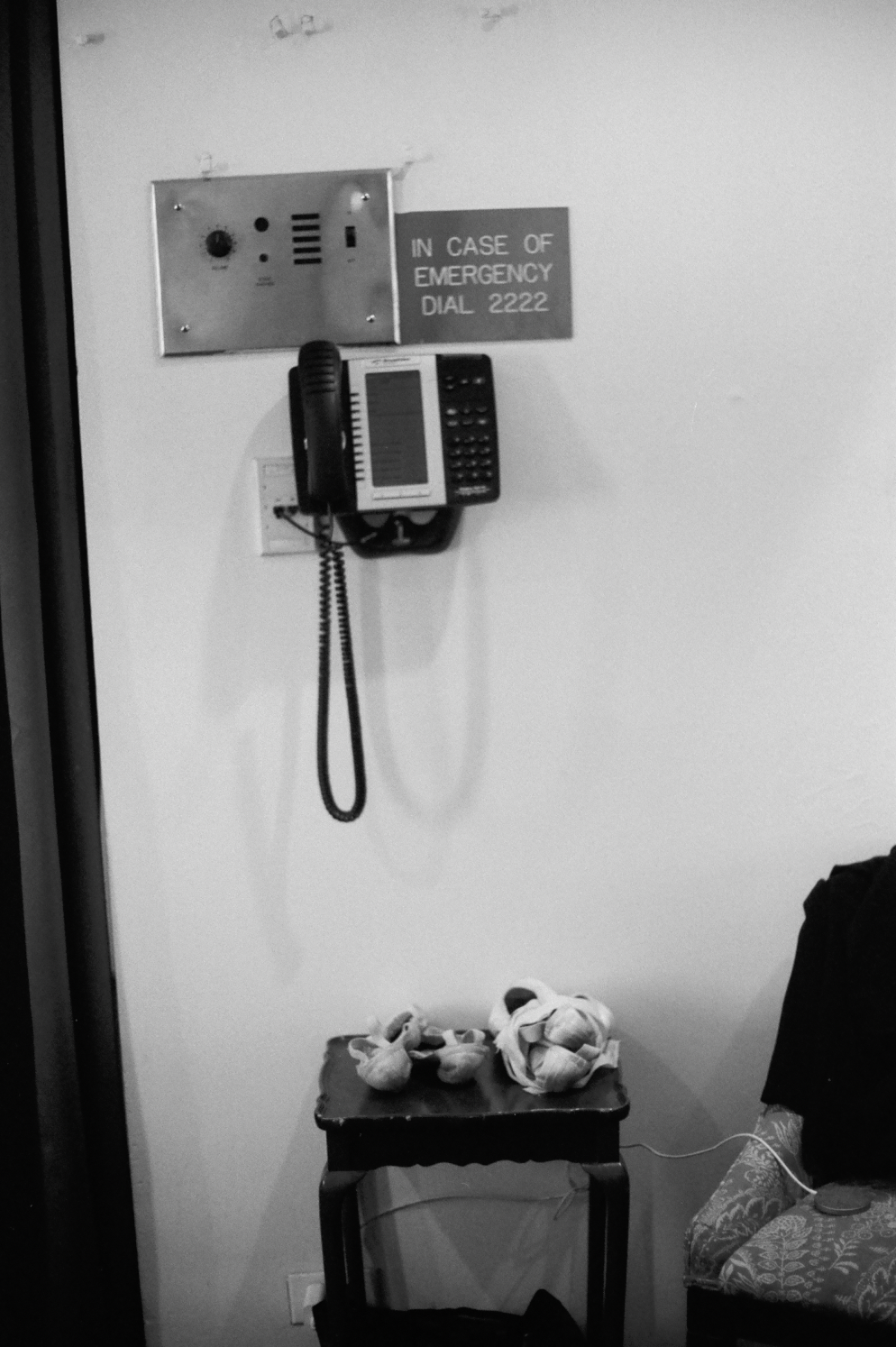
In Case of Emergency
![For Ruth 1 - [4"x6"]](https://images.squarespace-cdn.com/content/v1/6a1d9911d875d348e09d9bf2/ad4a957c-9170-4c6d-9a85-85a546962d8f/000243250006.jpg)
For Ruth 1 - [4"x6"]
![Betsy and Scout - [36"x24"]](https://images.squarespace-cdn.com/content/v1/6a1d9911d875d348e09d9bf2/1784064503404-KJ28M9AYKNRMMDU9GMQG/000518770001.jpg)
Betsy and Scout - [36"x24"]
![Laura - [36"x24"]](https://images.squarespace-cdn.com/content/v1/6a1d9911d875d348e09d9bf2/9417fed1-c689-4292-850a-63e9890e33bb/48680032+%281%29.jpg)
Laura - [36"x24"]
![Ida - [36"x24"]](https://images.squarespace-cdn.com/content/v1/6a1d9911d875d348e09d9bf2/b427590d-468a-425c-b4d0-ee987188469d/06.jpg)
Ida - [36"x24"]
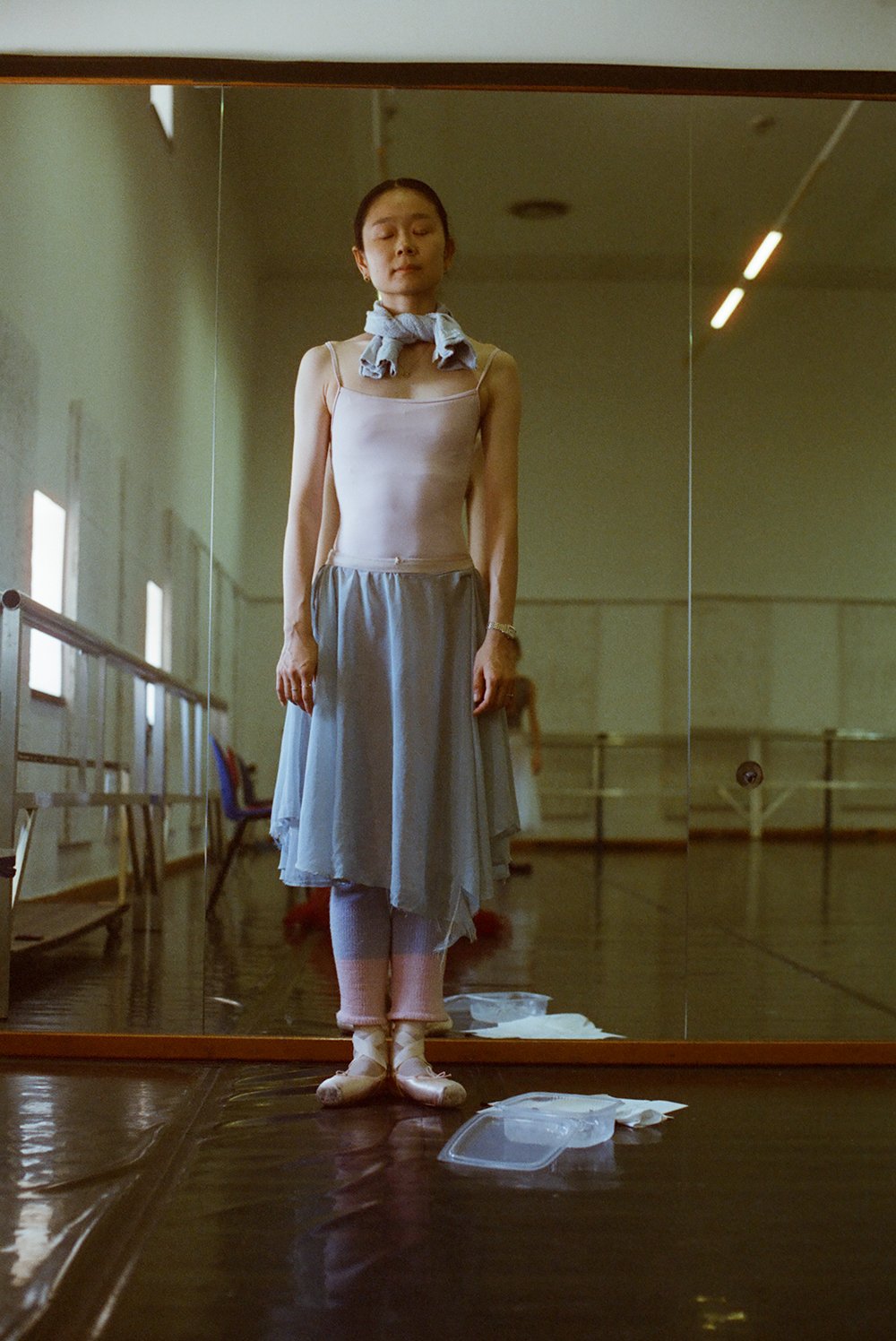
Jess
![Lalli - [13"x8.5"]](https://images.squarespace-cdn.com/content/v1/6a1d9911d875d348e09d9bf2/f6c37f01-b09e-45f8-9a63-48b6146d6516/12.jpg)
Lalli - [13"x8.5"]
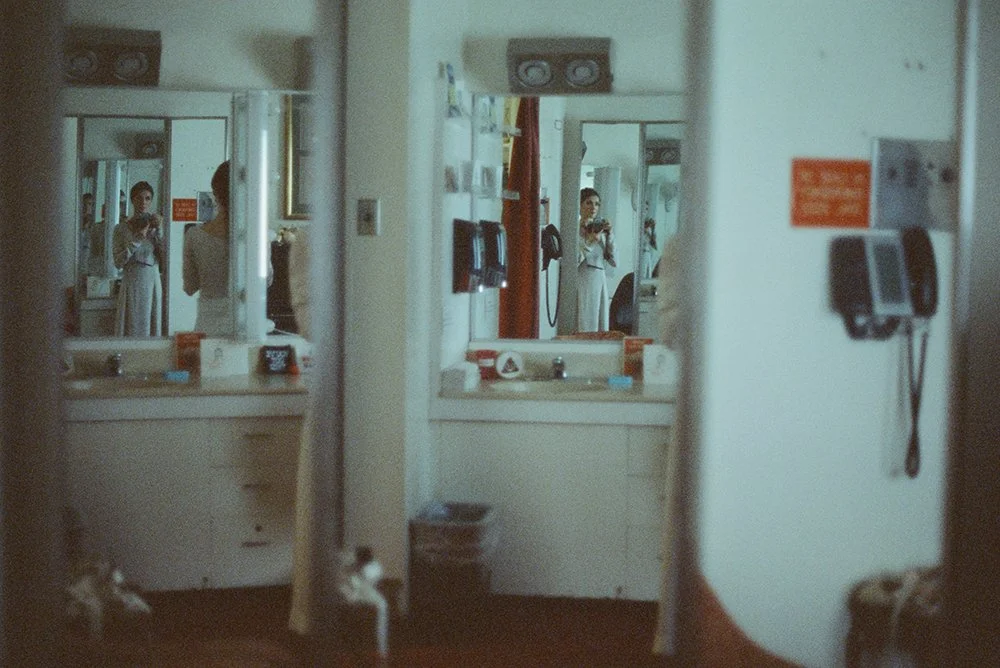
Hermione, Self Portrait
![Timoor and Olga - [36"x24"]](https://images.squarespace-cdn.com/content/v1/6a1d9911d875d348e09d9bf2/c148cbe5-3667-437c-9a14-e774d370c2e0/70040028+%281%29.jpg)
Timoor and Olga - [36"x24"]
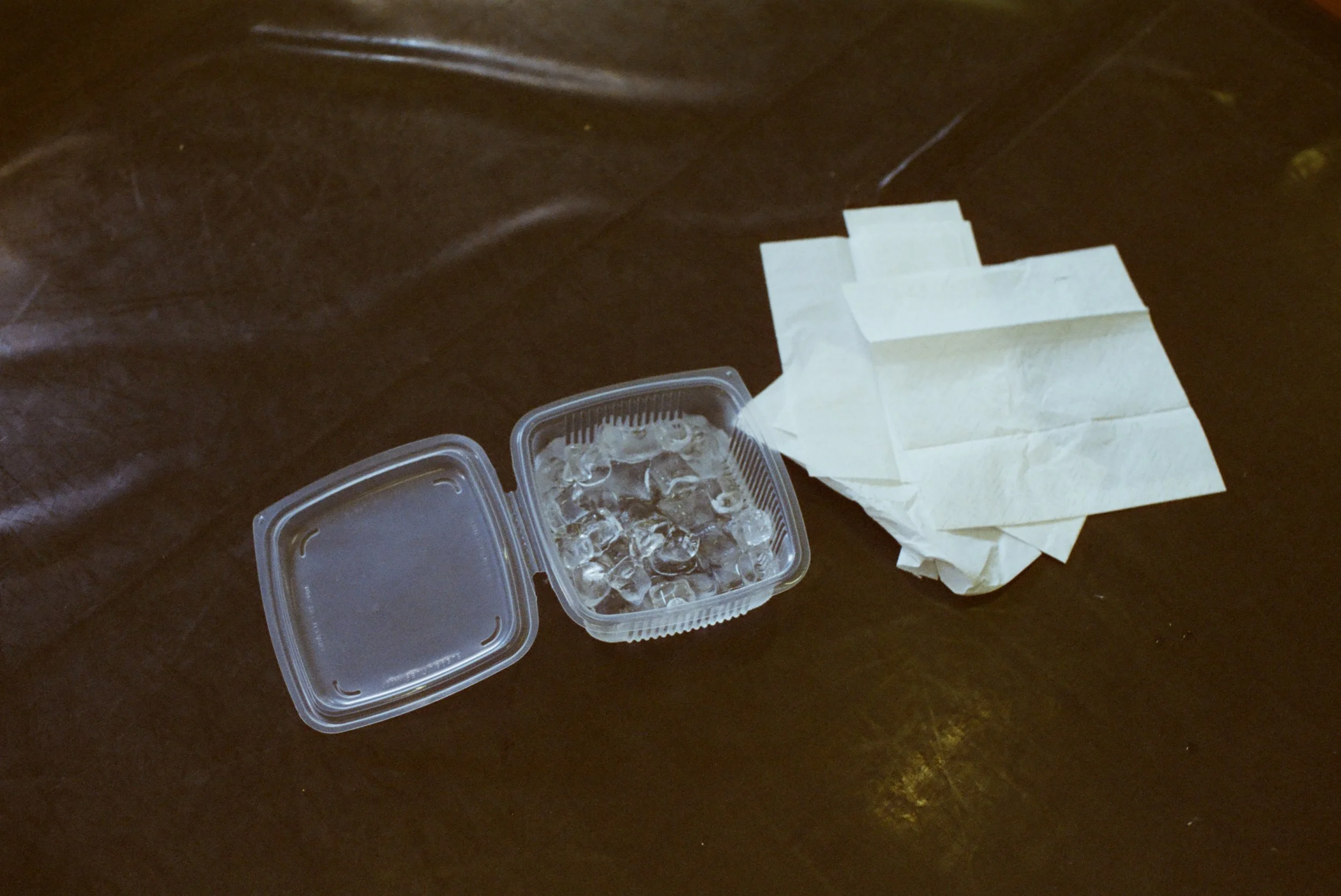
For Injury
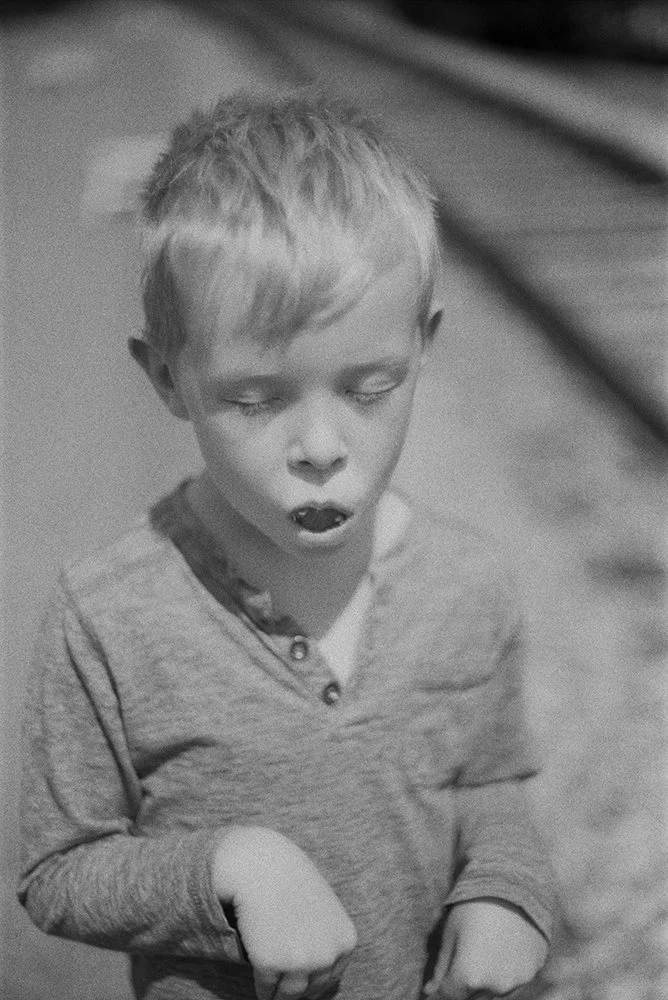
Charlie
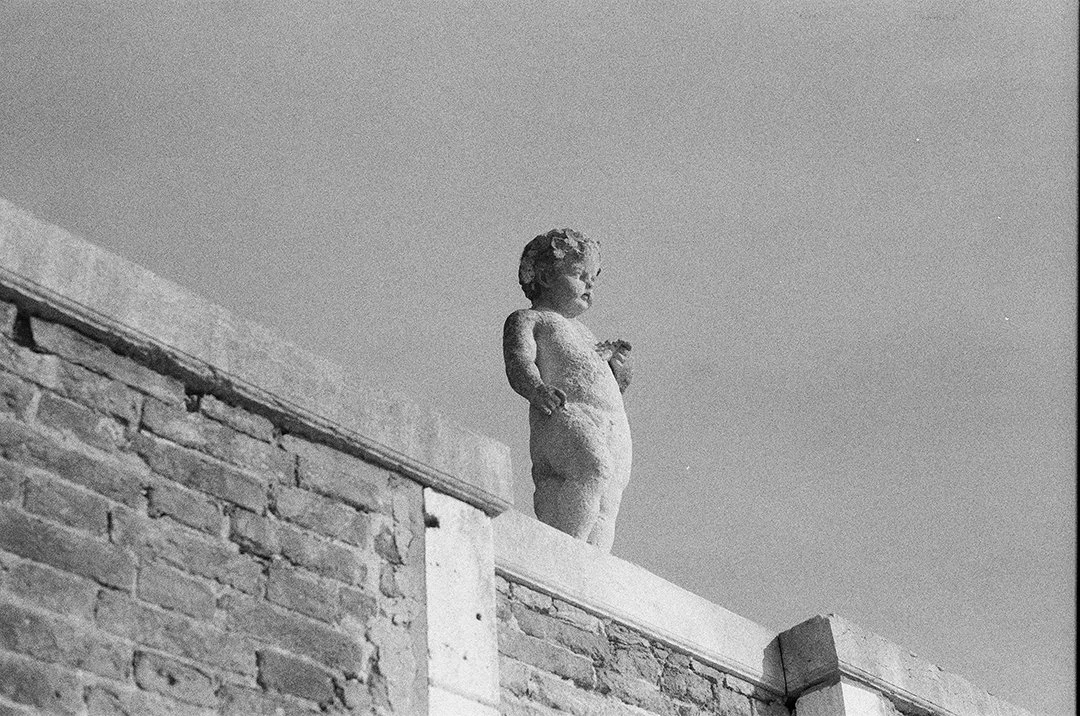
Venice Cherub- HELD
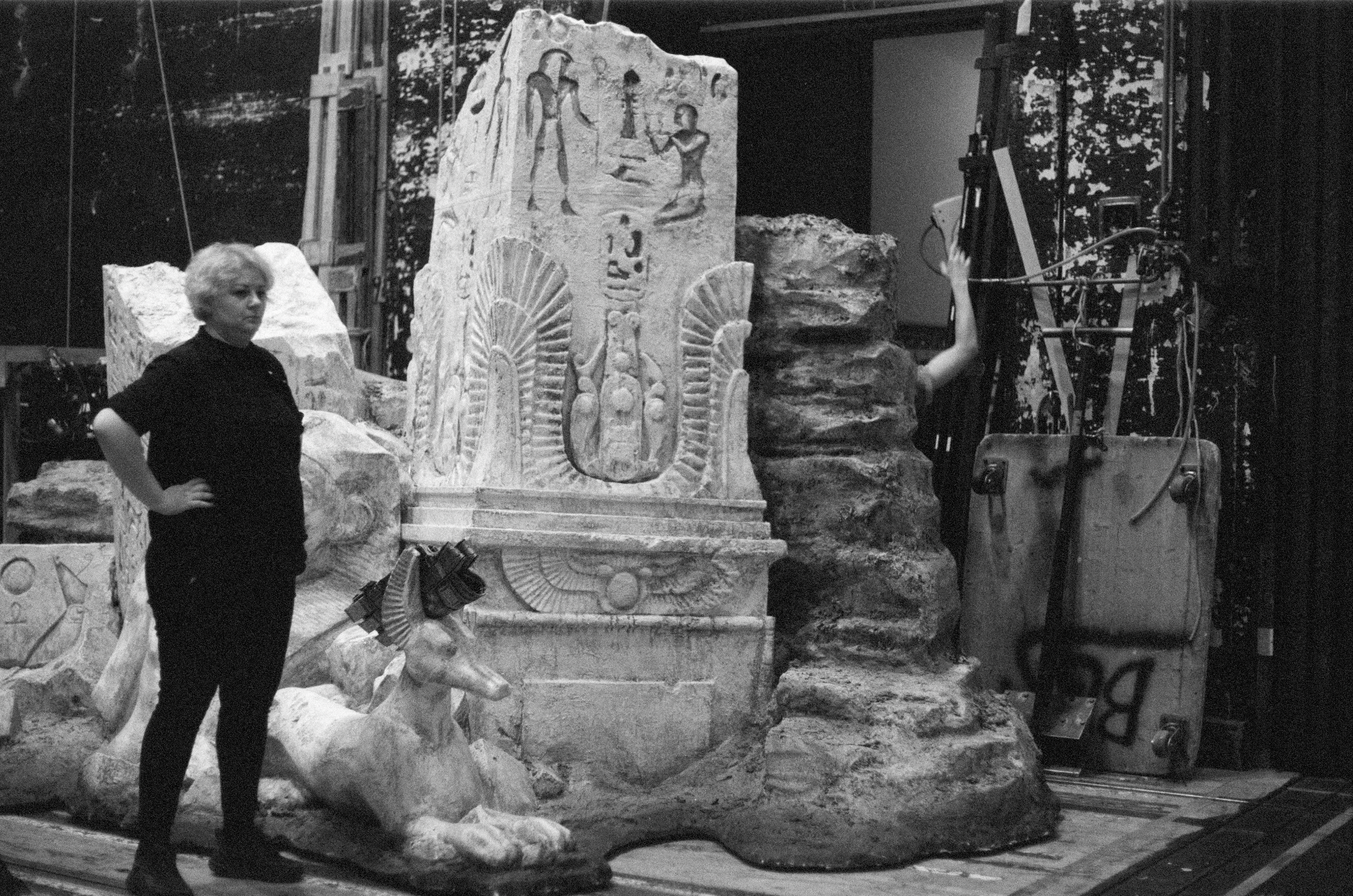
Crew with Set
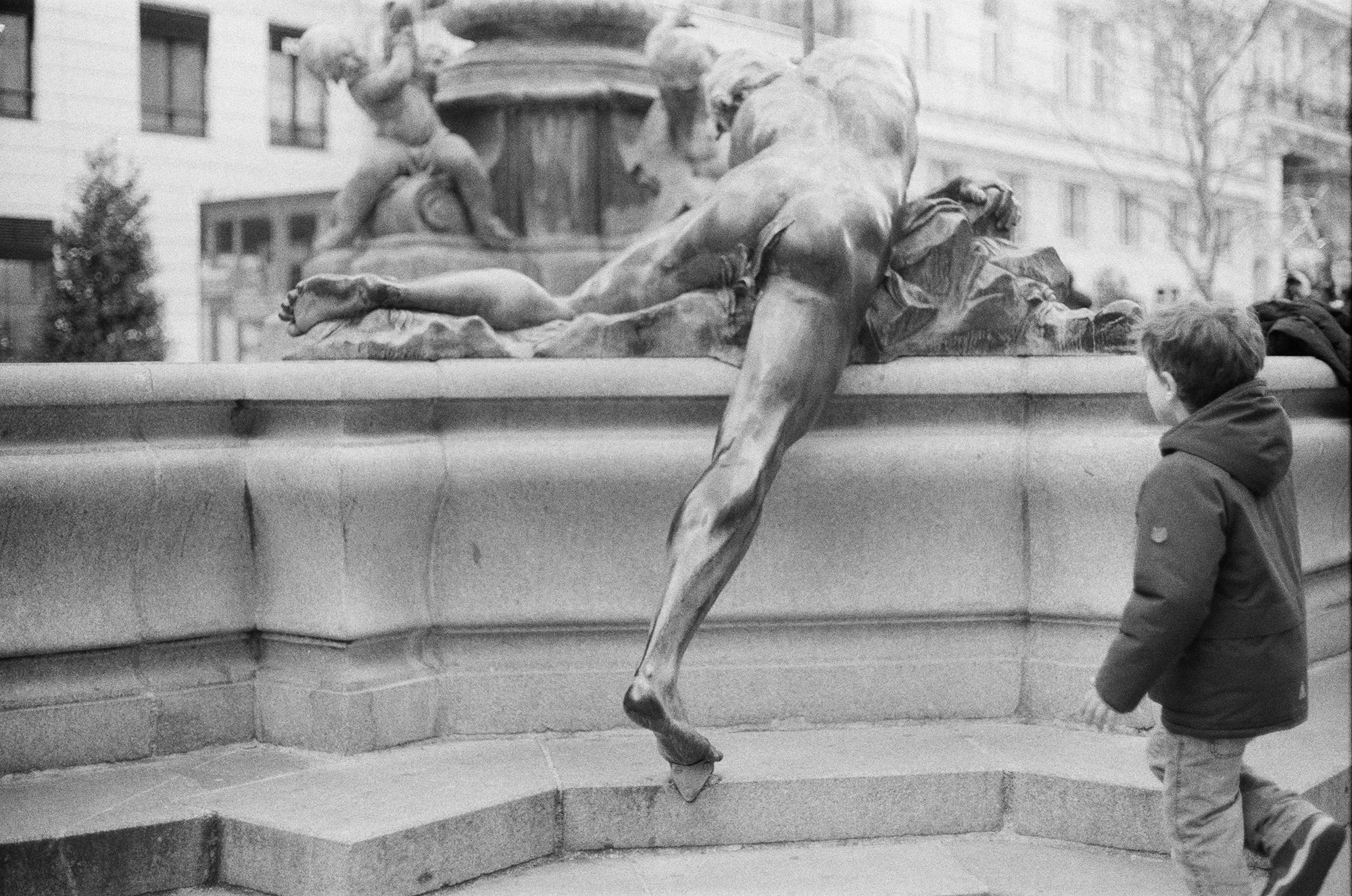
Child at Fountain
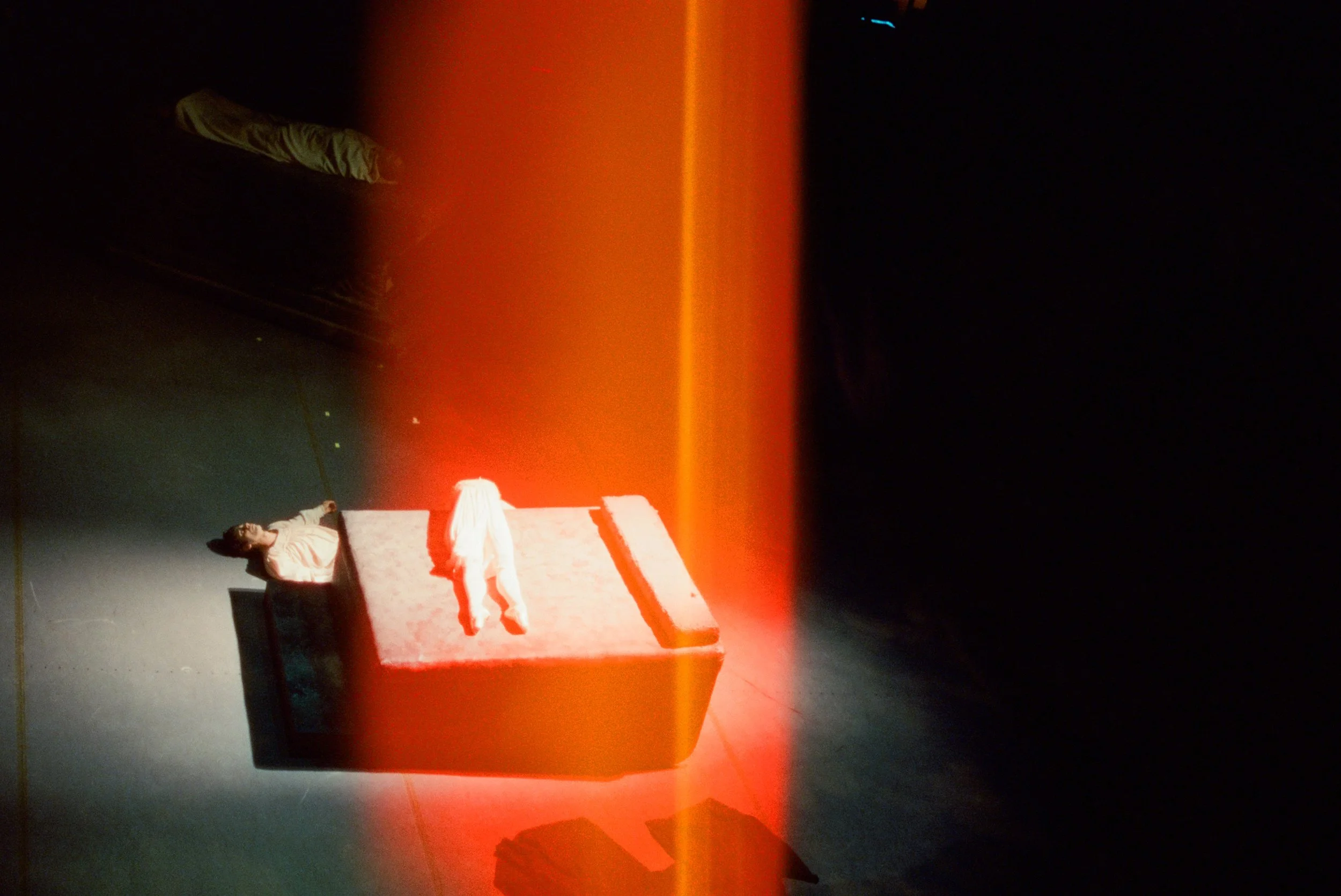
Crypt
![Antonio - [4"x6"]](https://images.squarespace-cdn.com/content/v1/6a1d9911d875d348e09d9bf2/7b0e04f3-a53f-4774-84d5-1b384faadde6/89820037.jpg)
Antonio - [4"x6"]
![Catherine and Isabella - [13"x8.5"]](https://images.squarespace-cdn.com/content/v1/6a1d9911d875d348e09d9bf2/1784232889949-MJWNXQLRMREIJOTPCG2V/000472470025.jpg)
Catherine and Isabella - [13"x8.5"]
![Swans - [4"x6"]](https://images.squarespace-cdn.com/content/v1/6a1d9911d875d348e09d9bf2/10dabdcd-edd1-4f14-9db9-e42ce66d2517/000537440013.jpg)
Swans - [4"x6"]
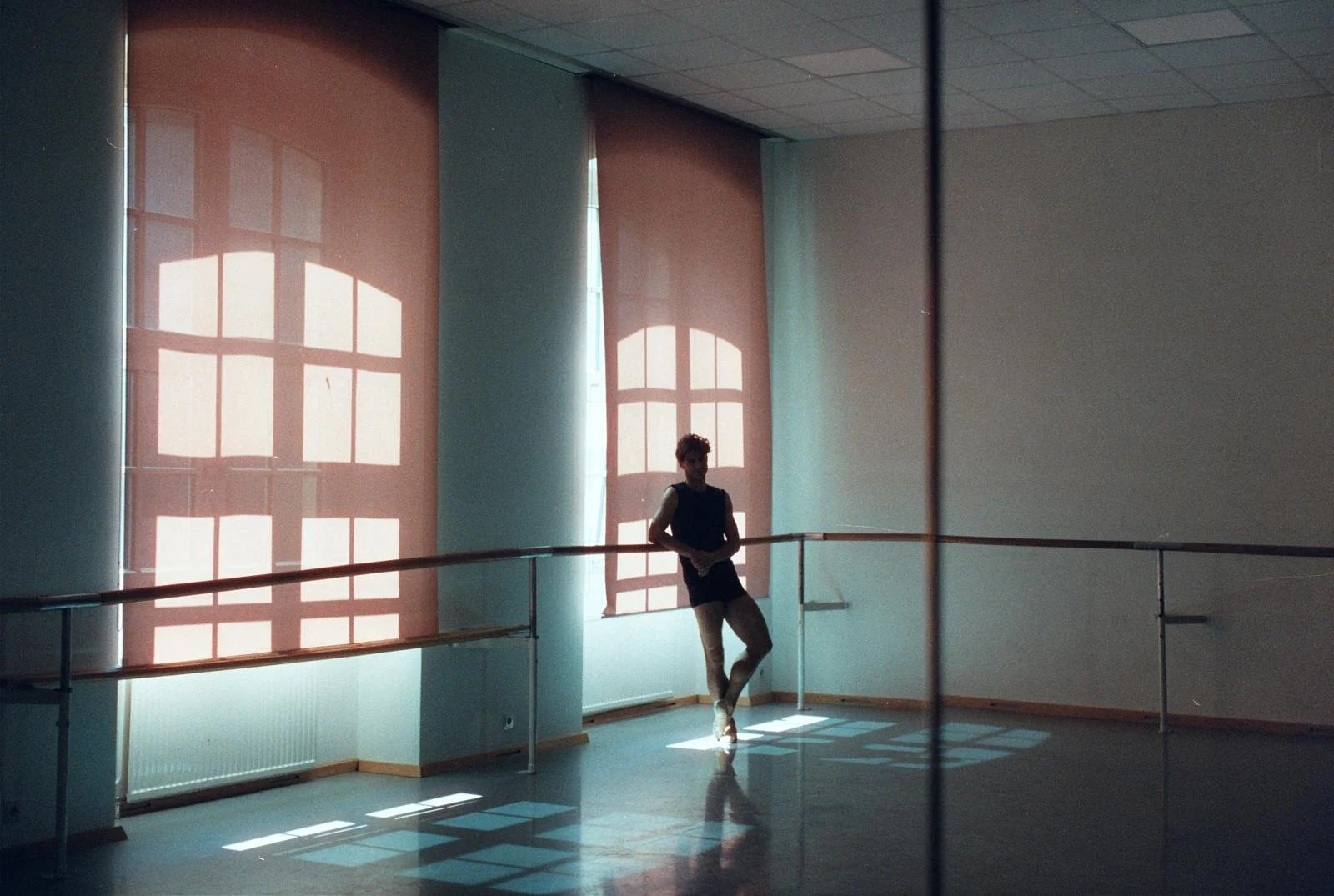
Davide
![Aliya - [4"x6"]](https://images.squarespace-cdn.com/content/v1/6a1d9911d875d348e09d9bf2/7698aa86-5ecd-4f43-a53d-28ed0df51e92/000537460036.jpg)
Aliya - [4"x6"]
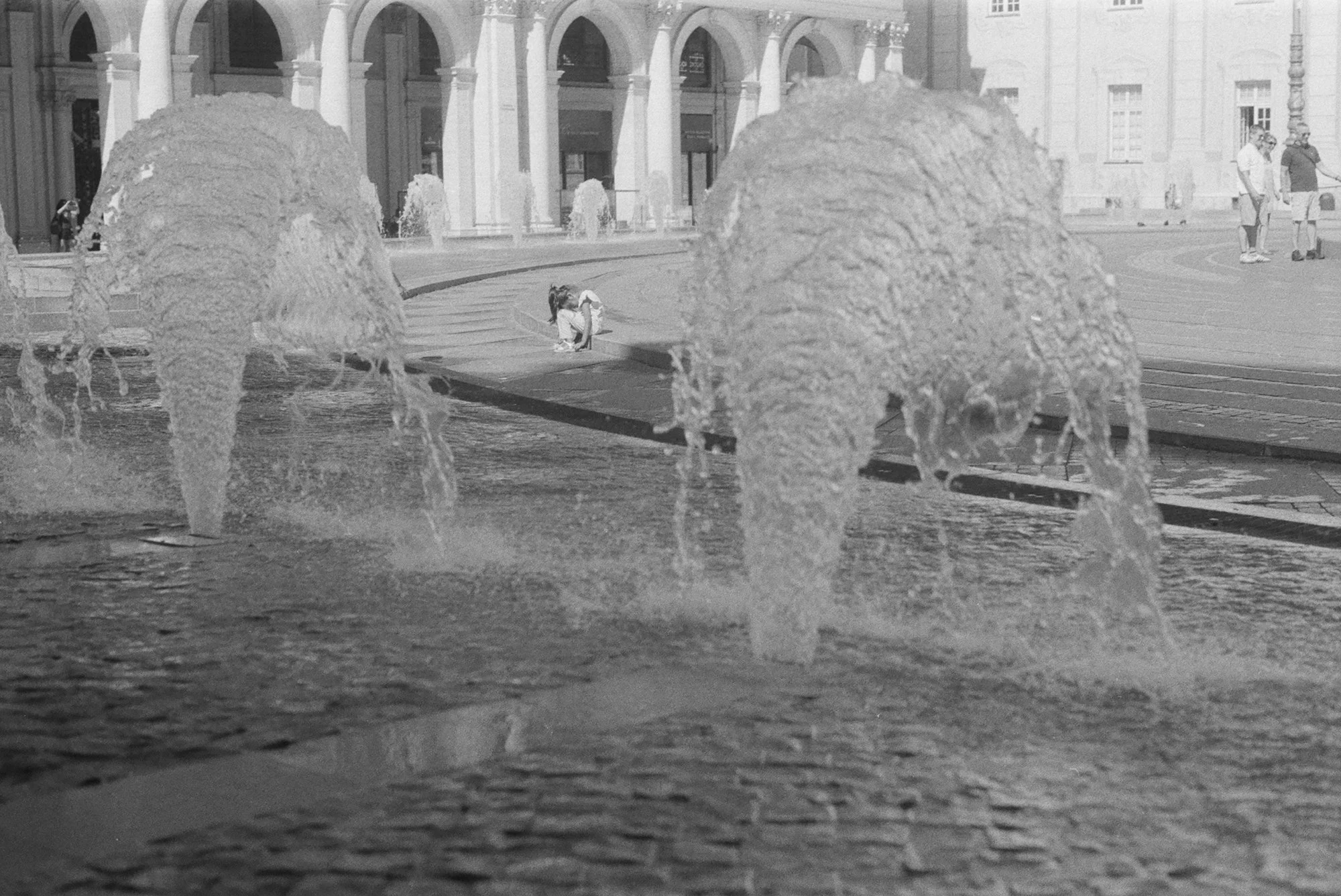
Tired Child
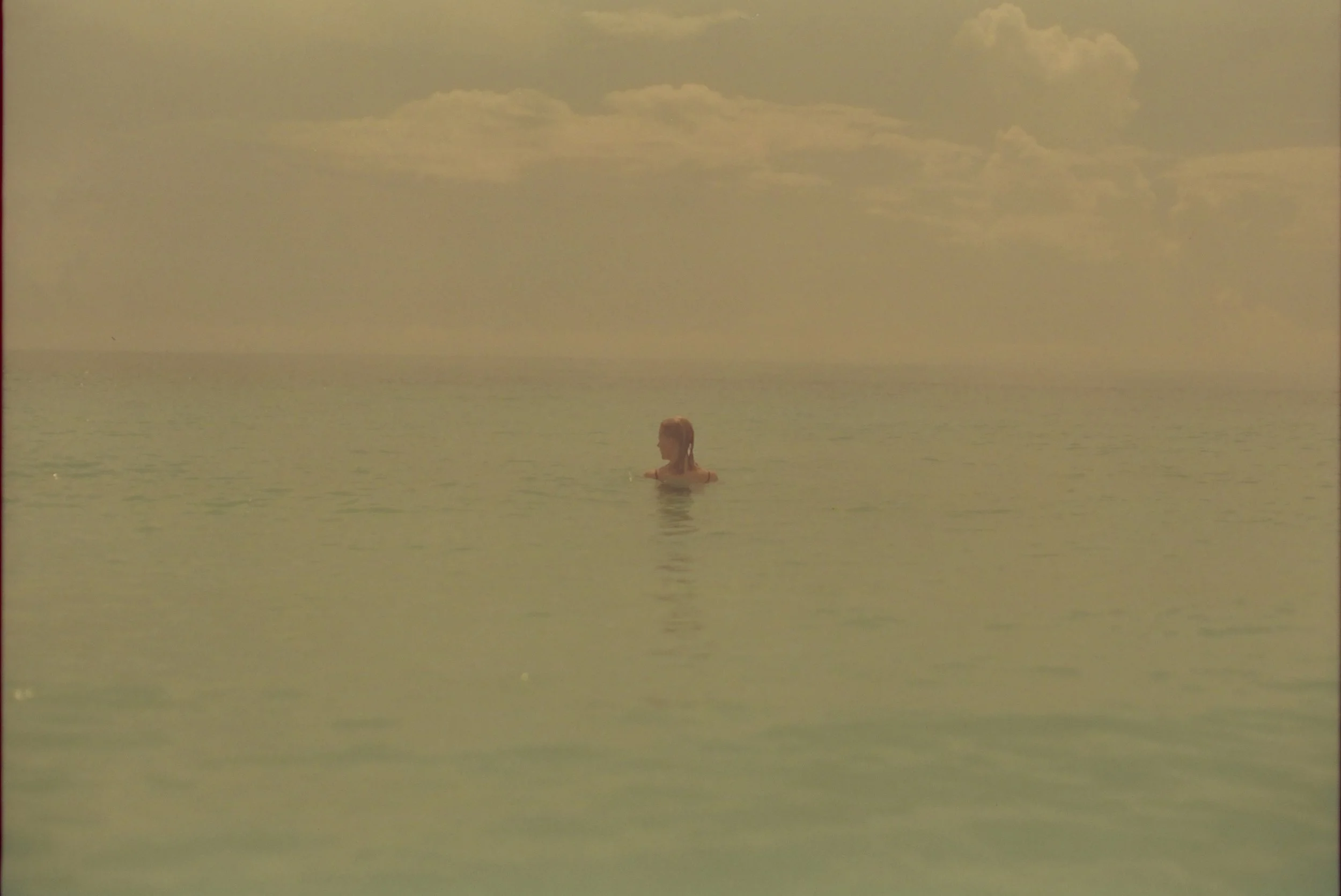
Merica May in Ocean - HELD
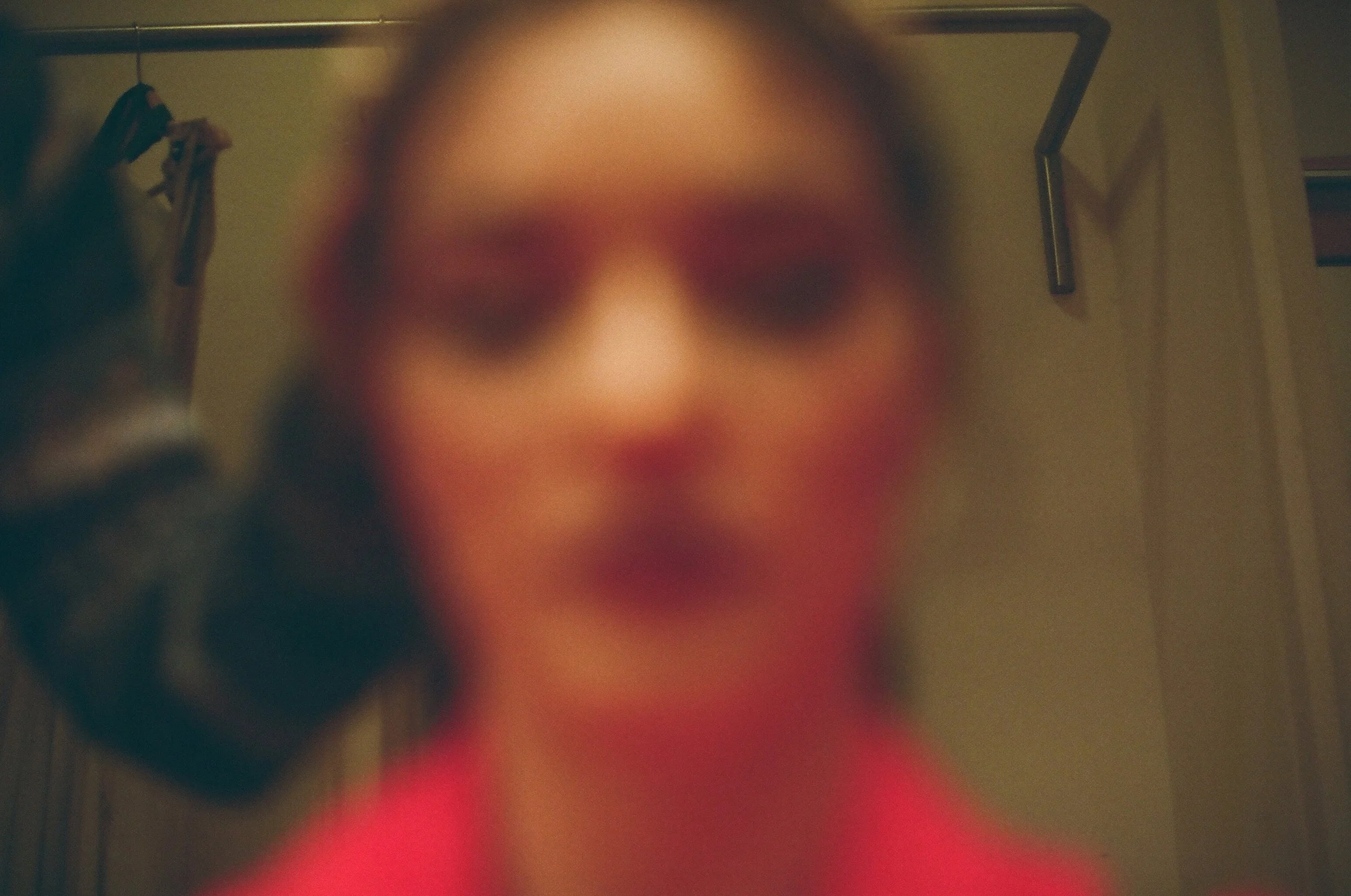
Kallirhoe, Self Portrait
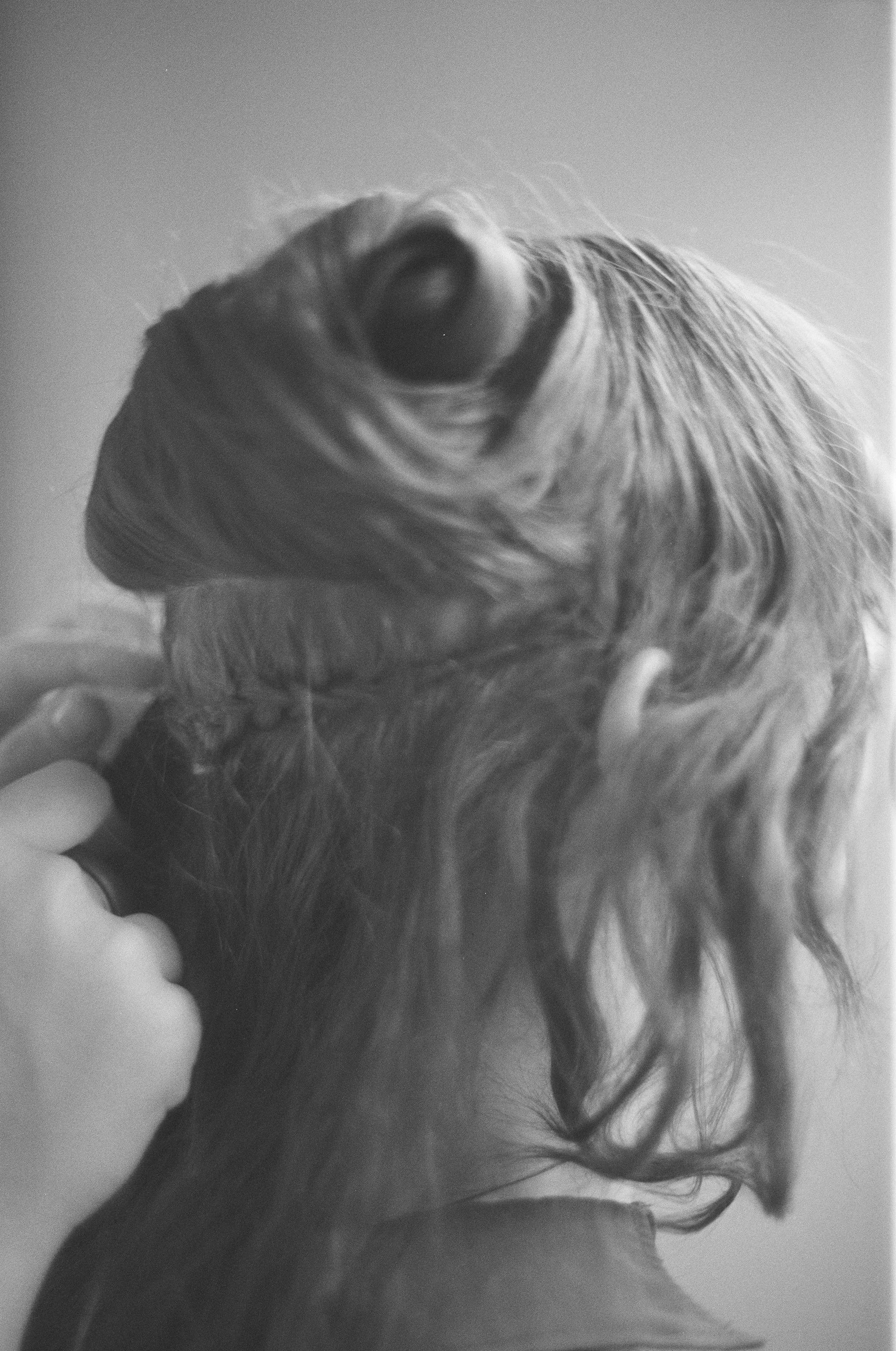
Madison and Raphaela
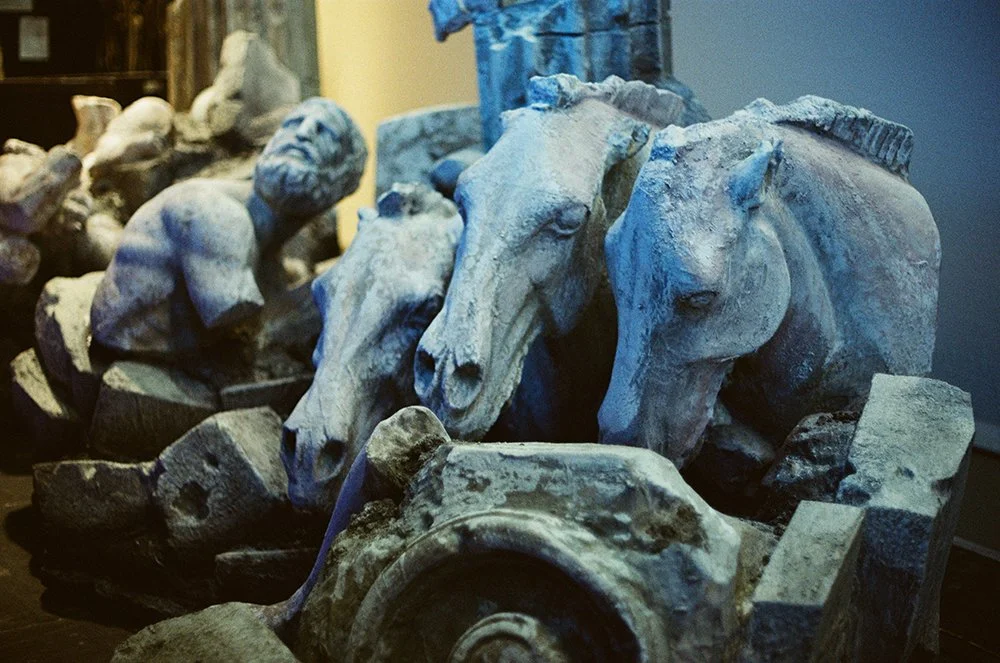
Kallirhoe Set
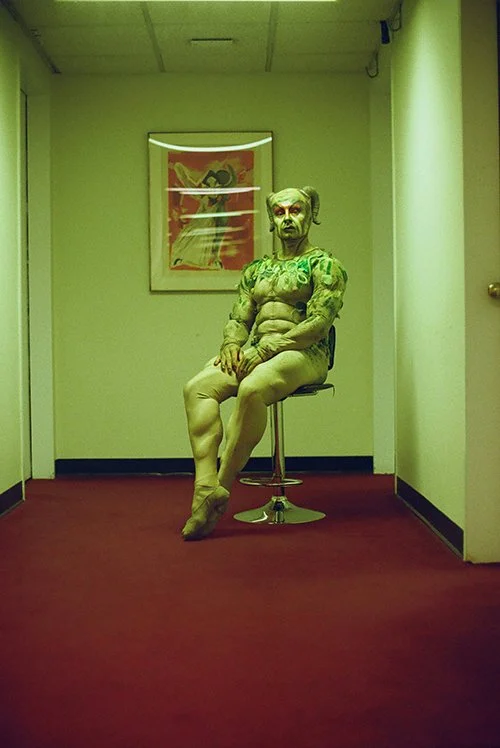
Roman - HELD
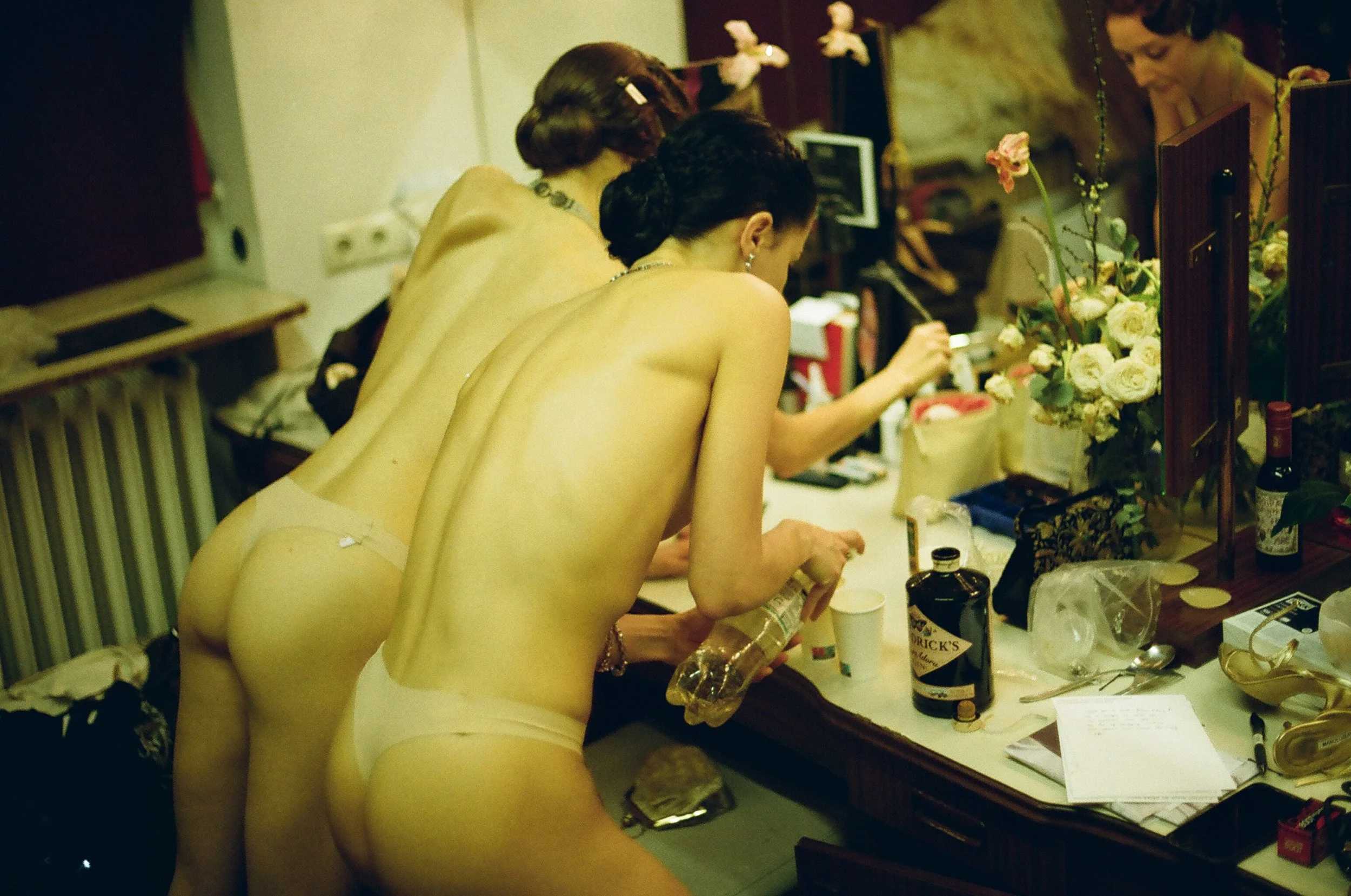
Dressing Room Two
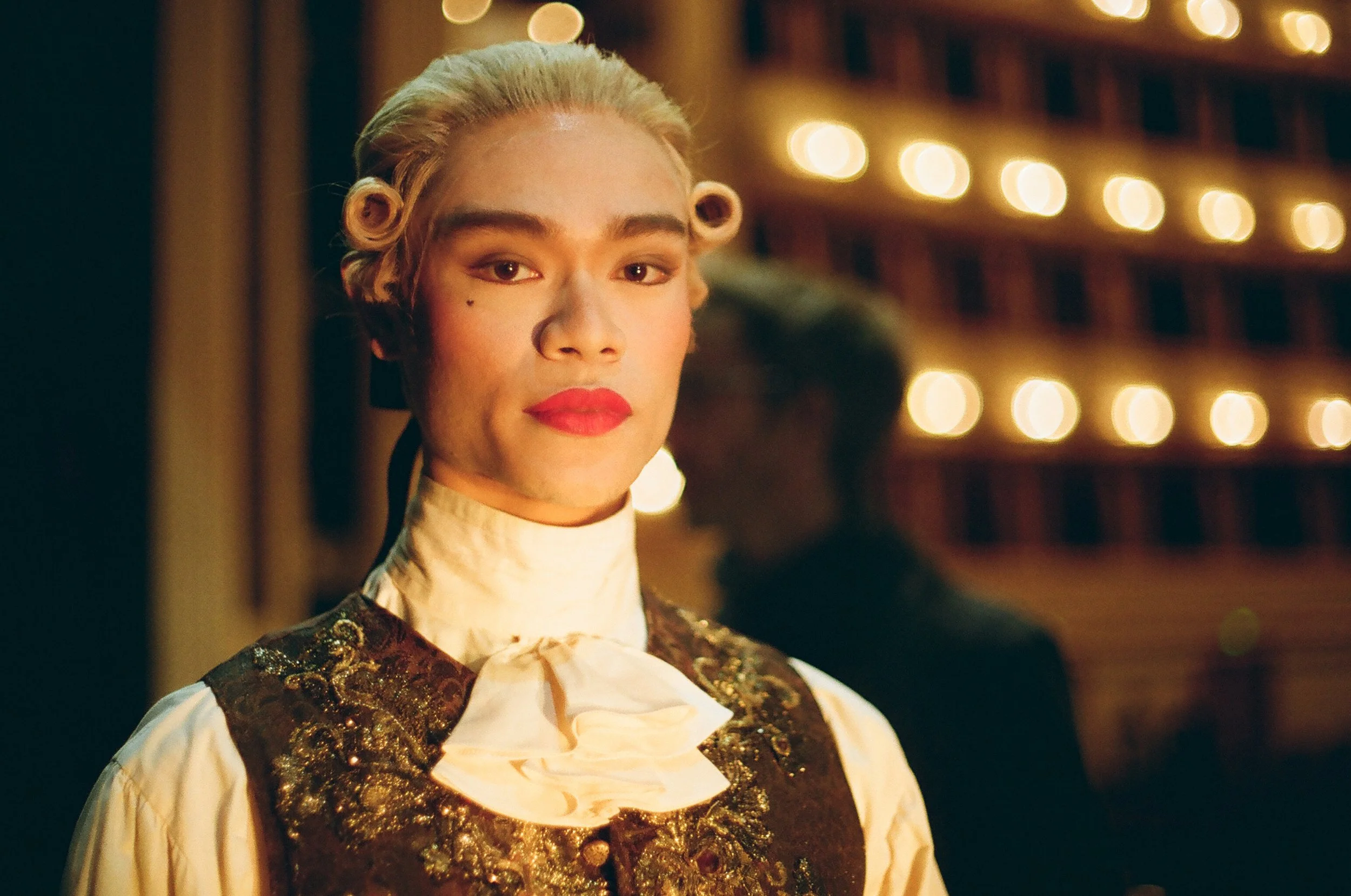
Godwin in Costume
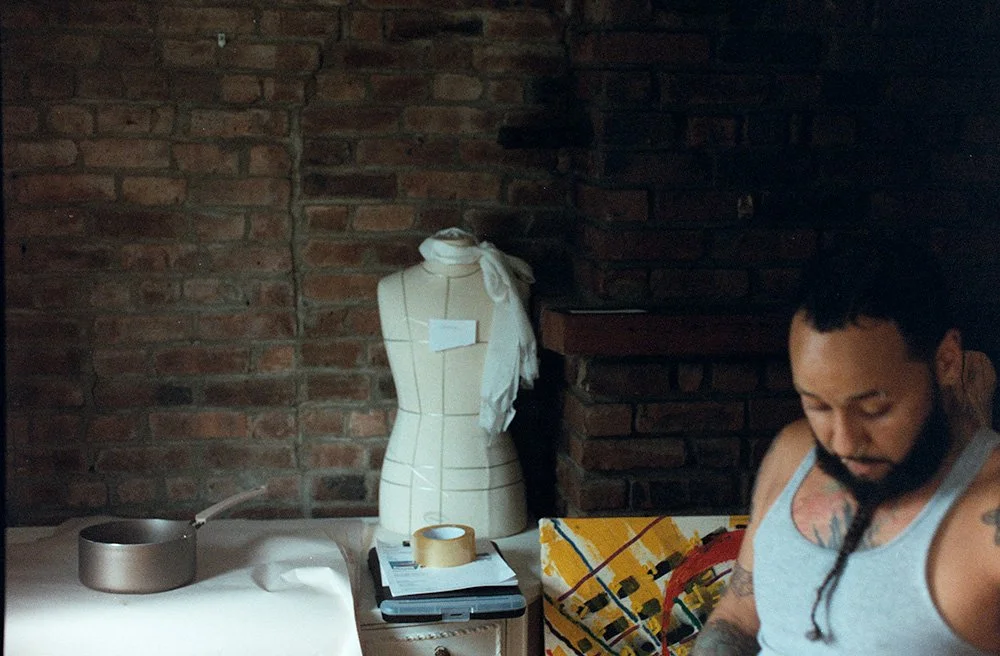
Mover
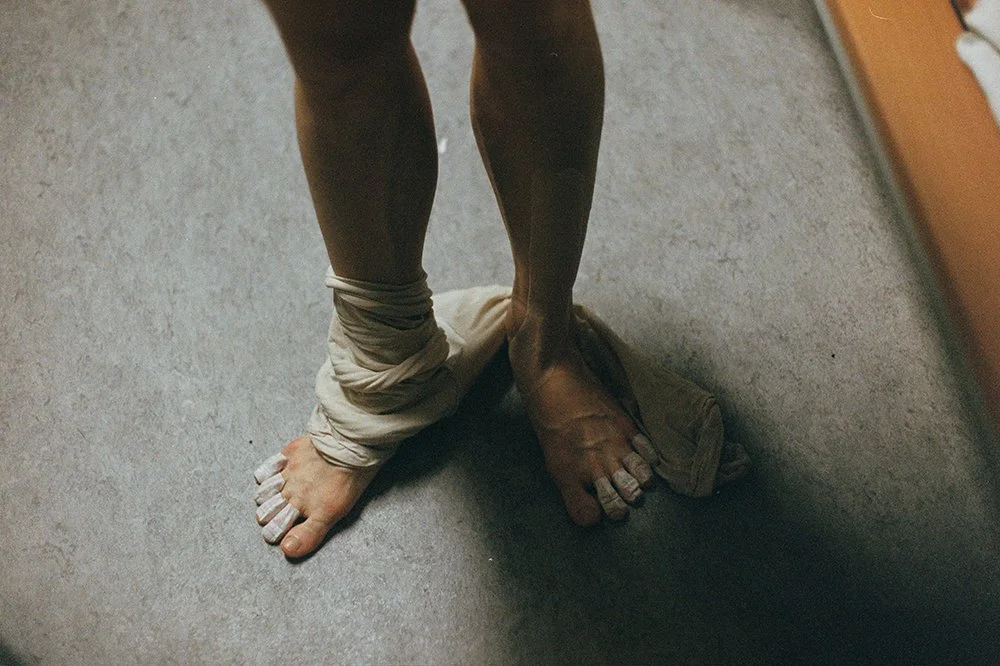
Jess' Changing
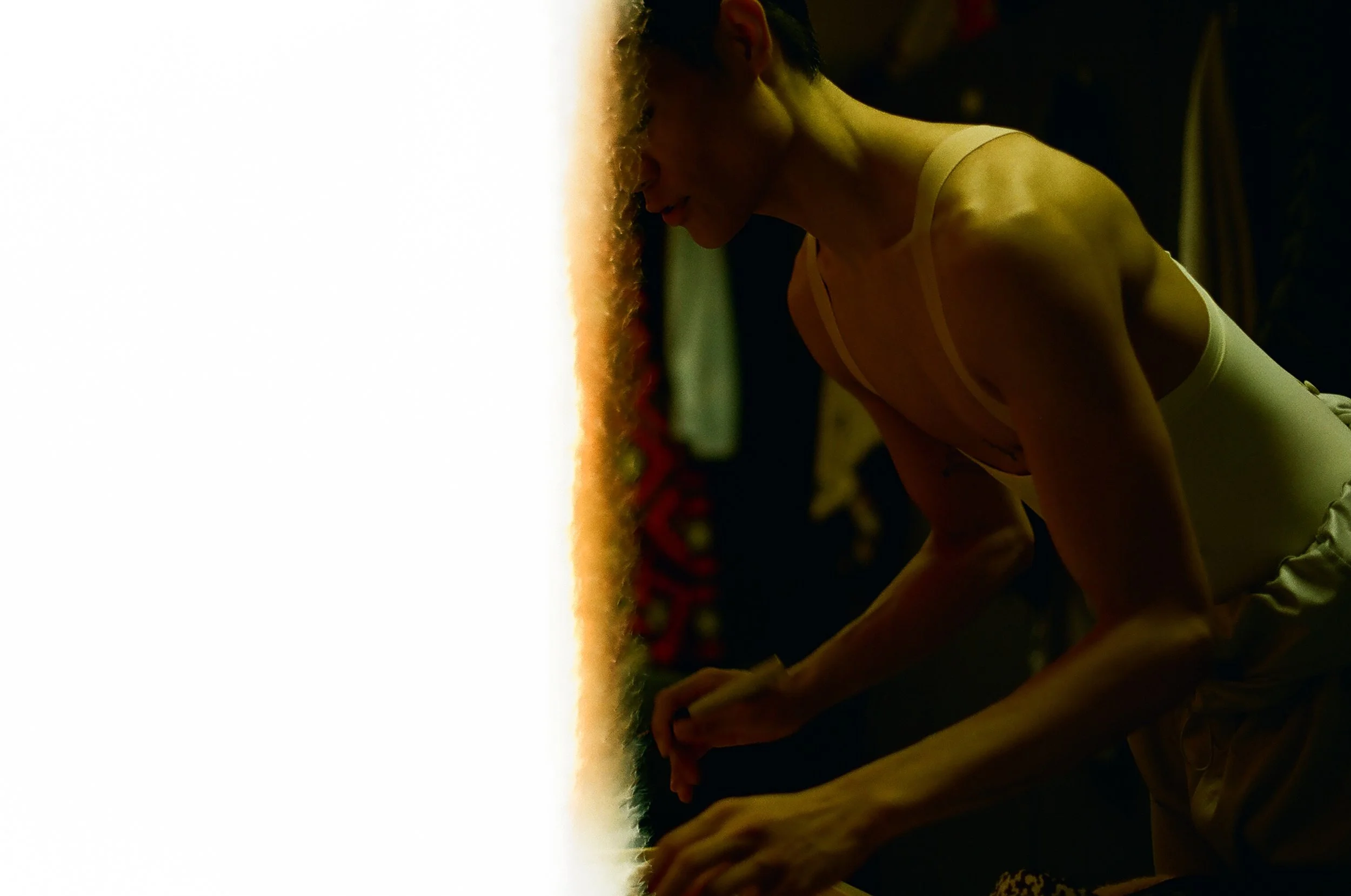
Godwin
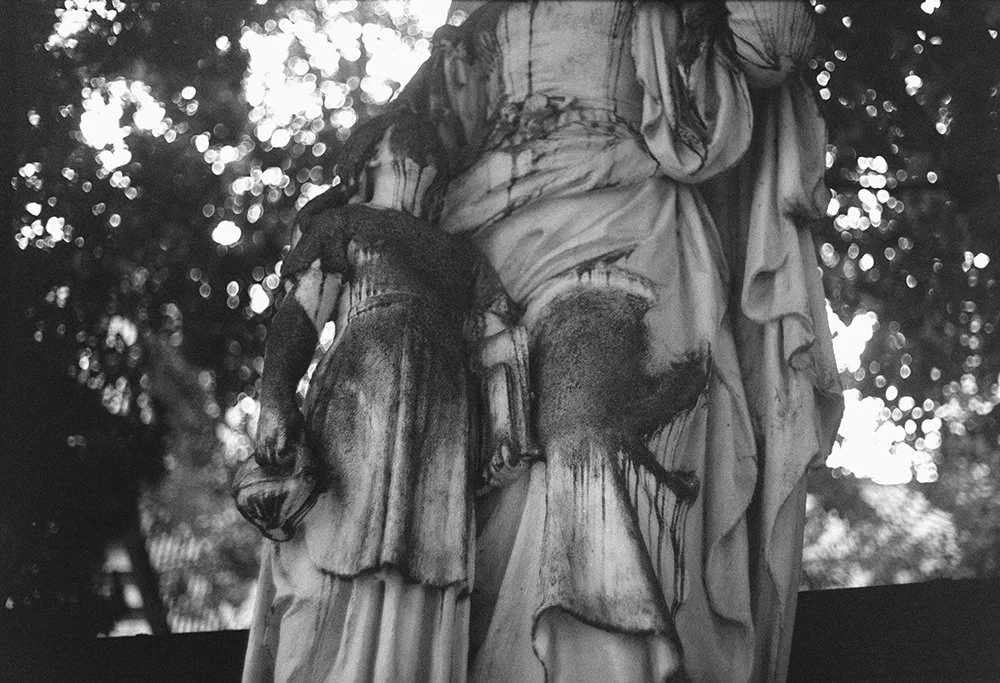
Child Statue in Mud
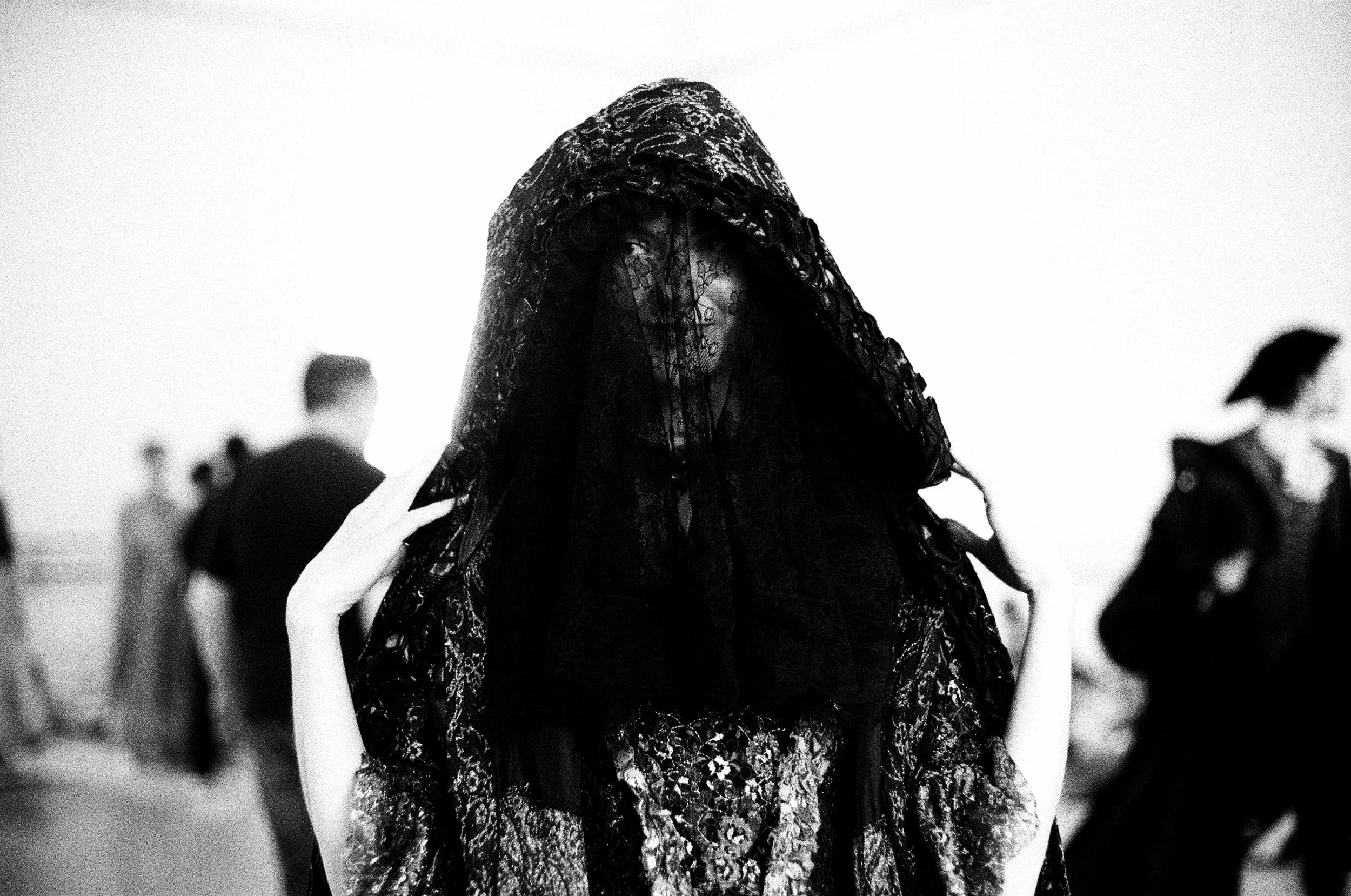
Lalli in Veil
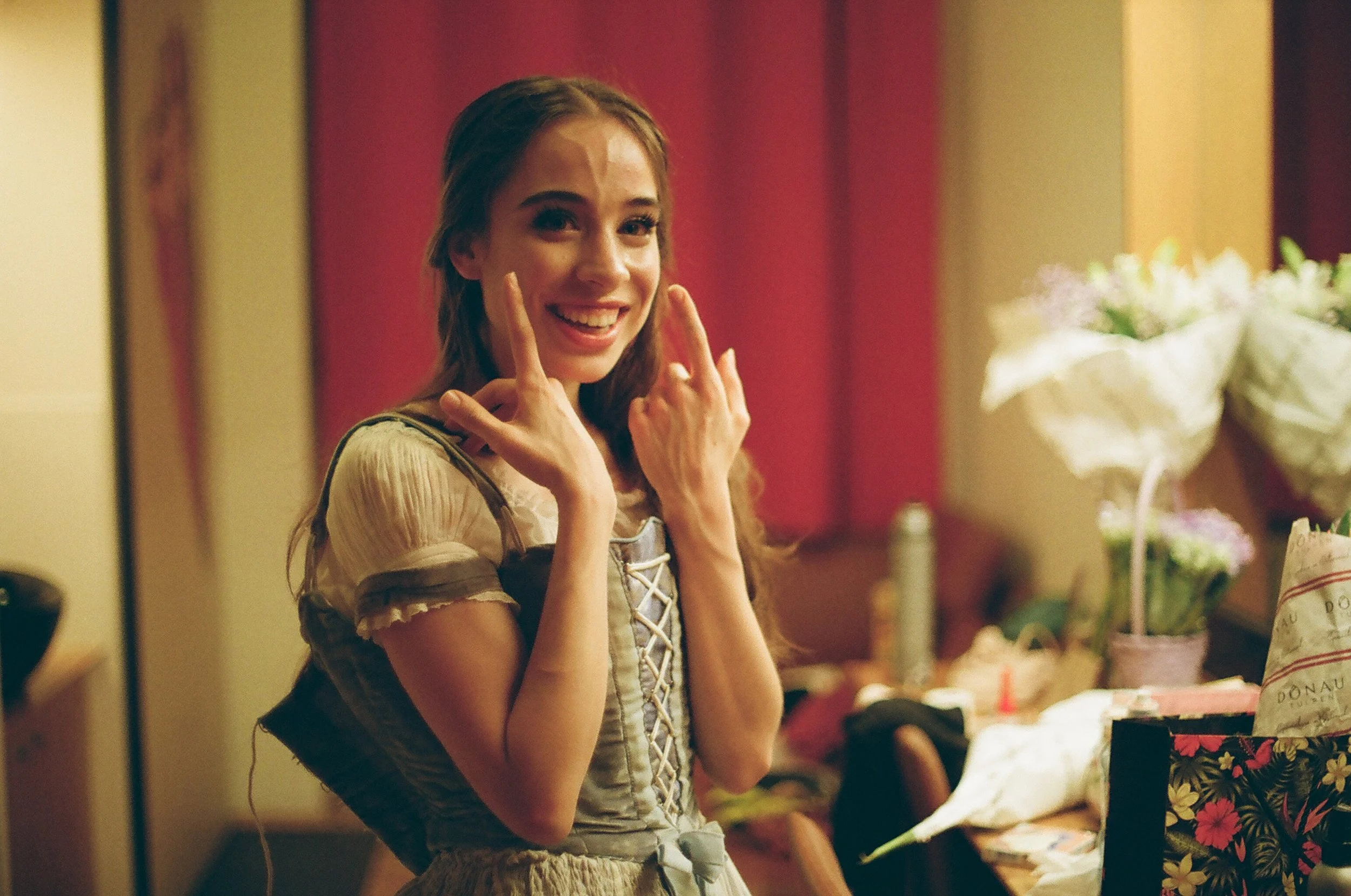
Margarita
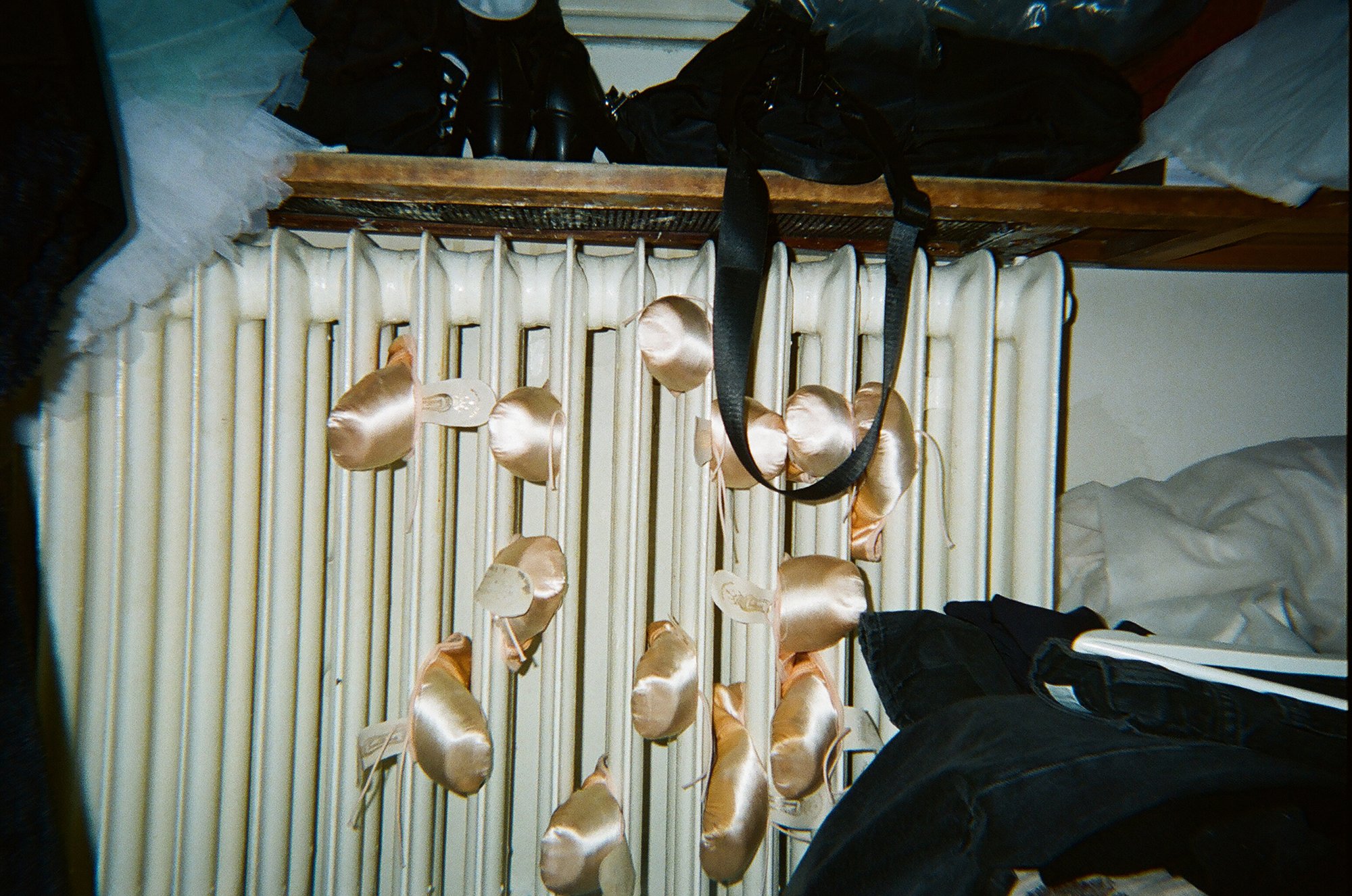
Pointe Shoes in Radiator
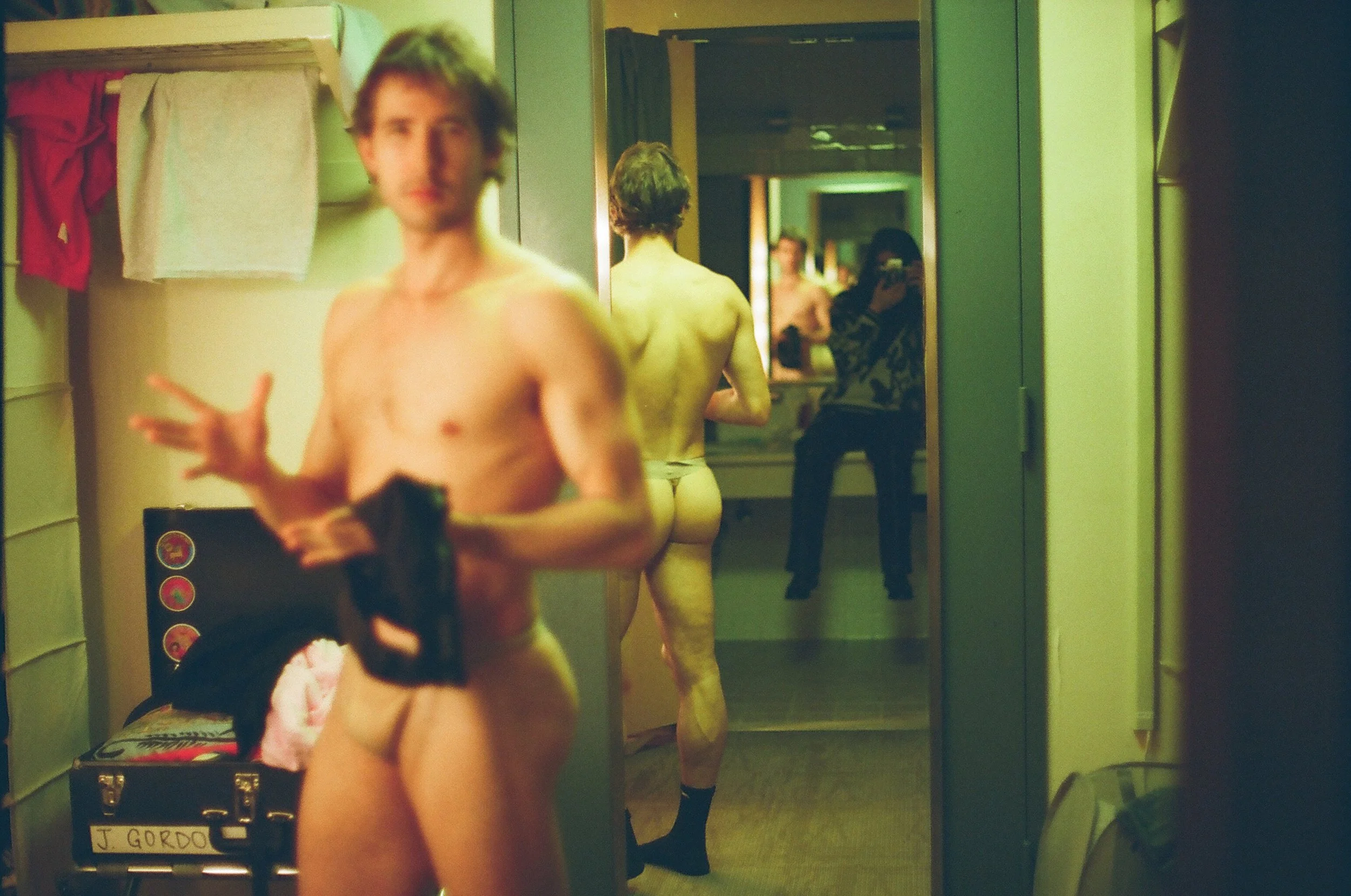
Joe
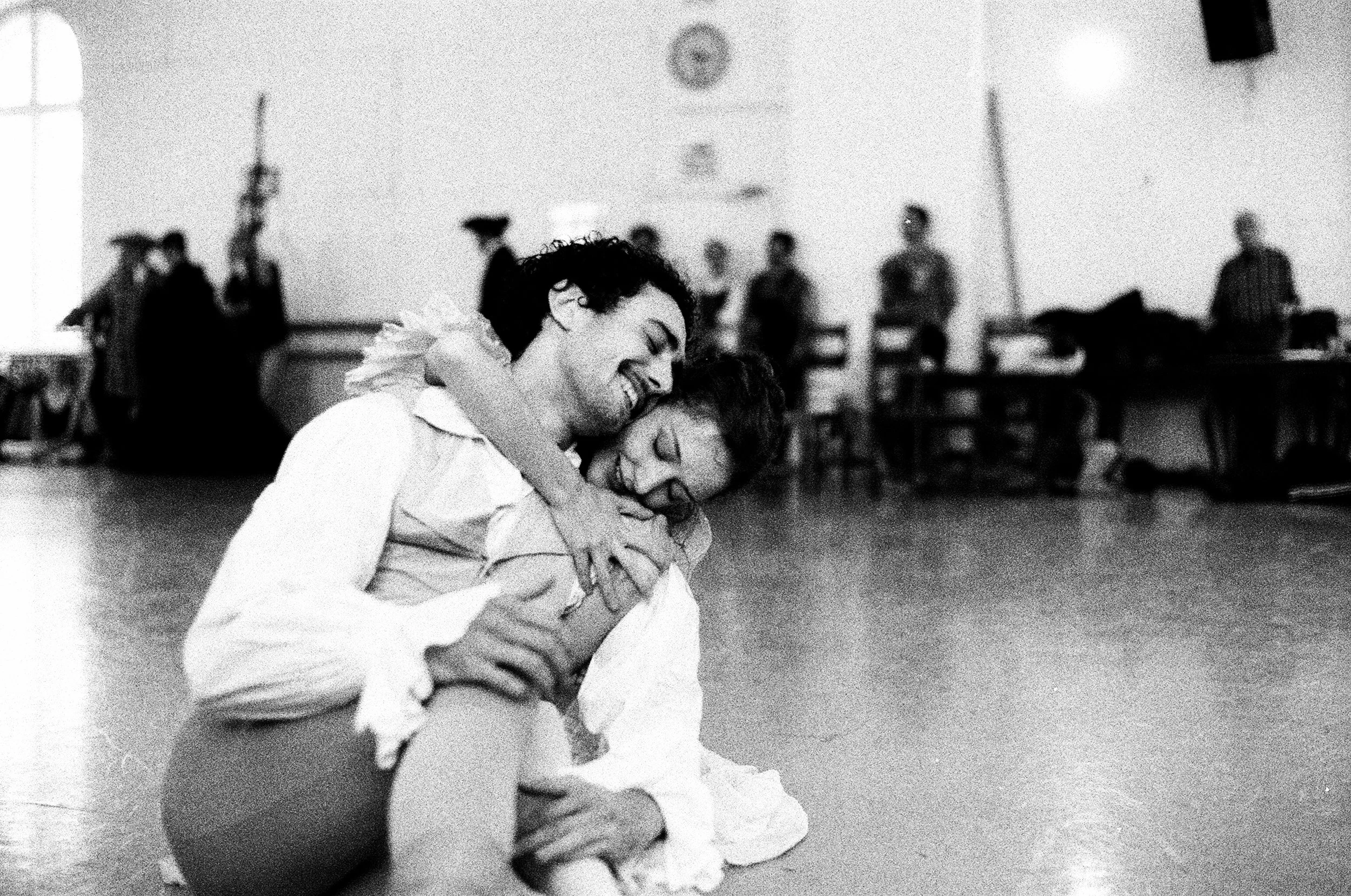
Alessandro and Madison
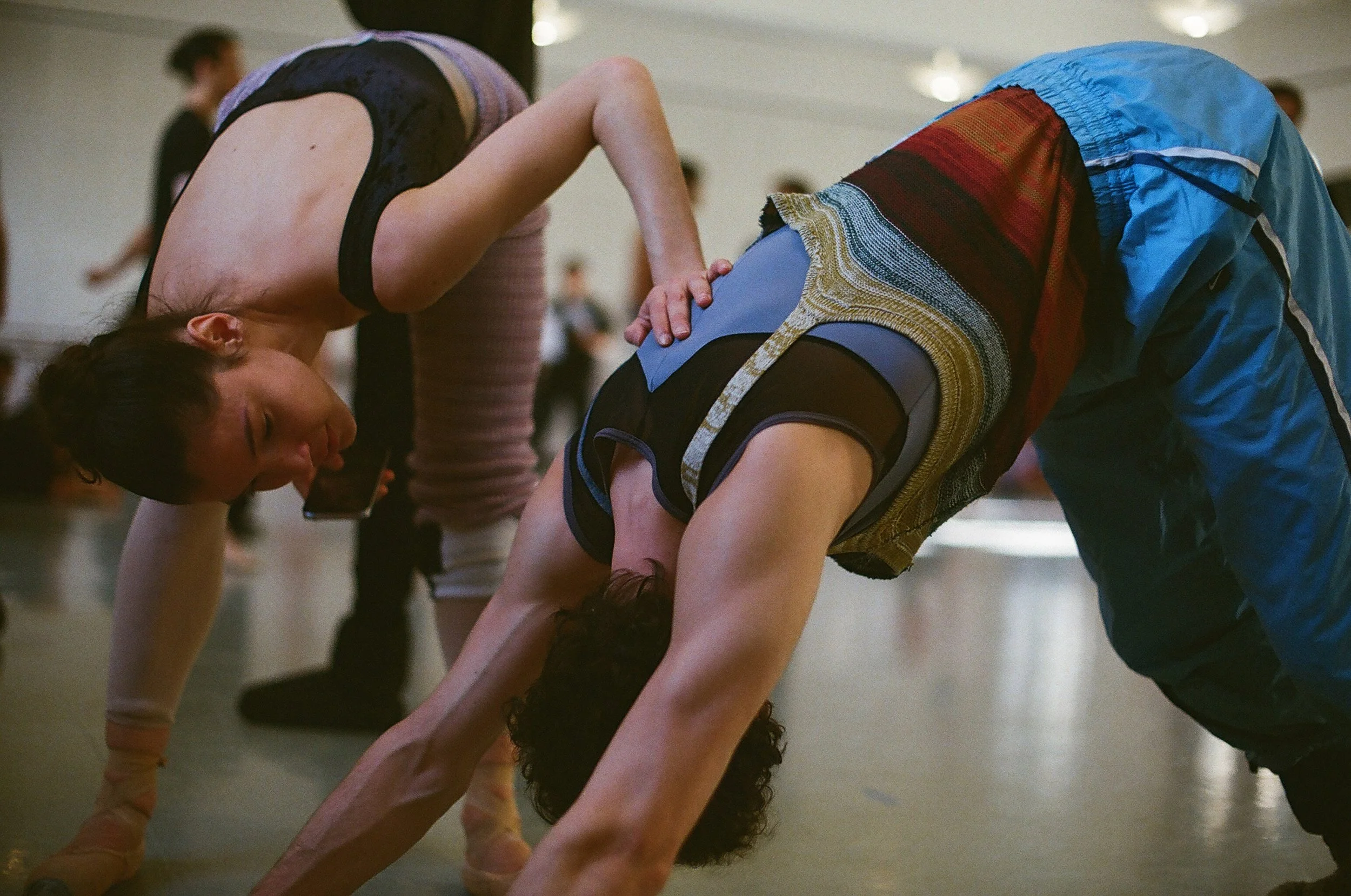
Sinthia and Alessandro
![Sam - [4"x6"]](https://images.squarespace-cdn.com/content/v1/6a1d9911d875d348e09d9bf2/34eefd70-da05-434d-827e-586183d41452/DSCF3655.RAF.jpg)
Sam - [4"x6"]
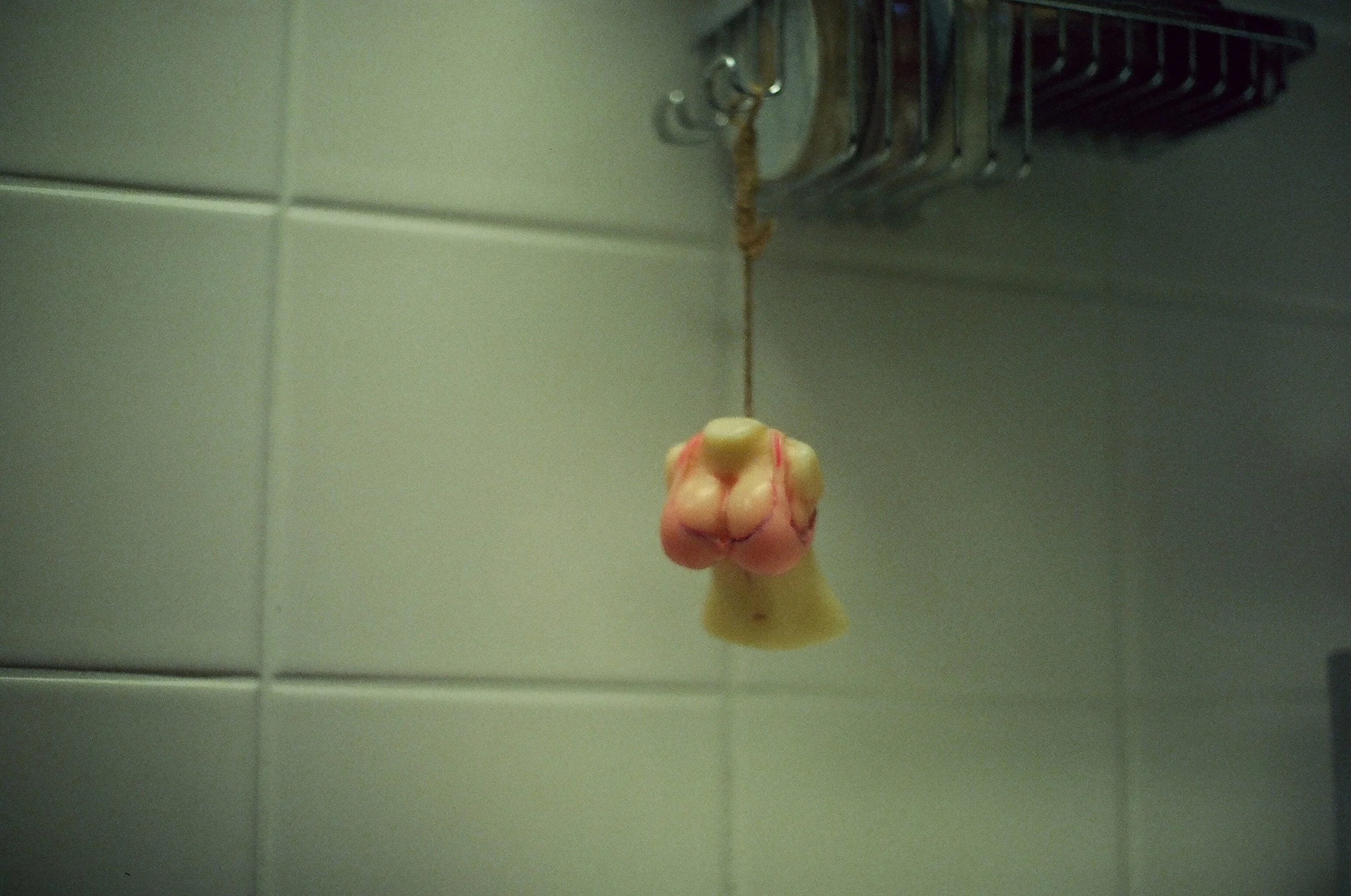
Soap
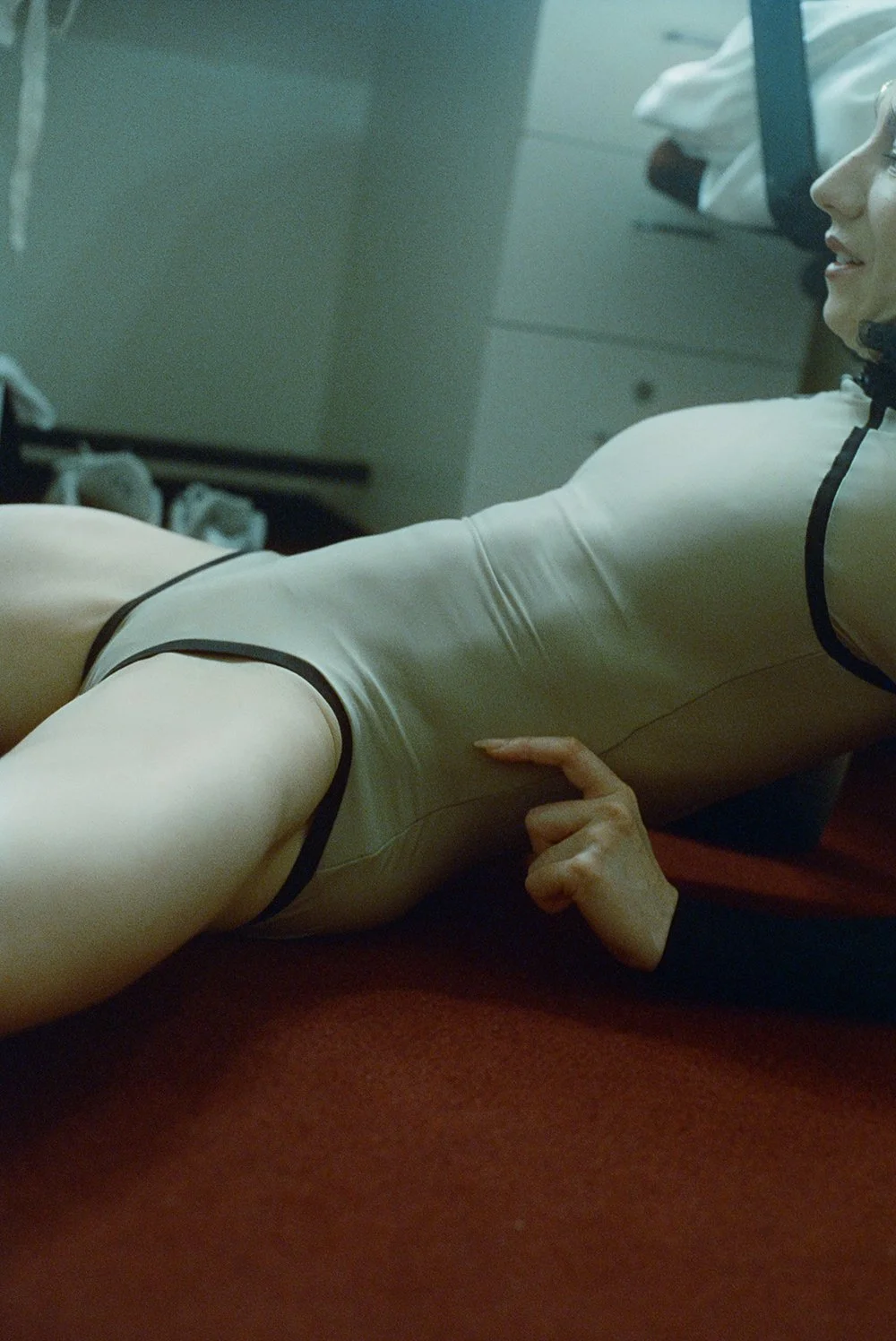
Isabella Recovering
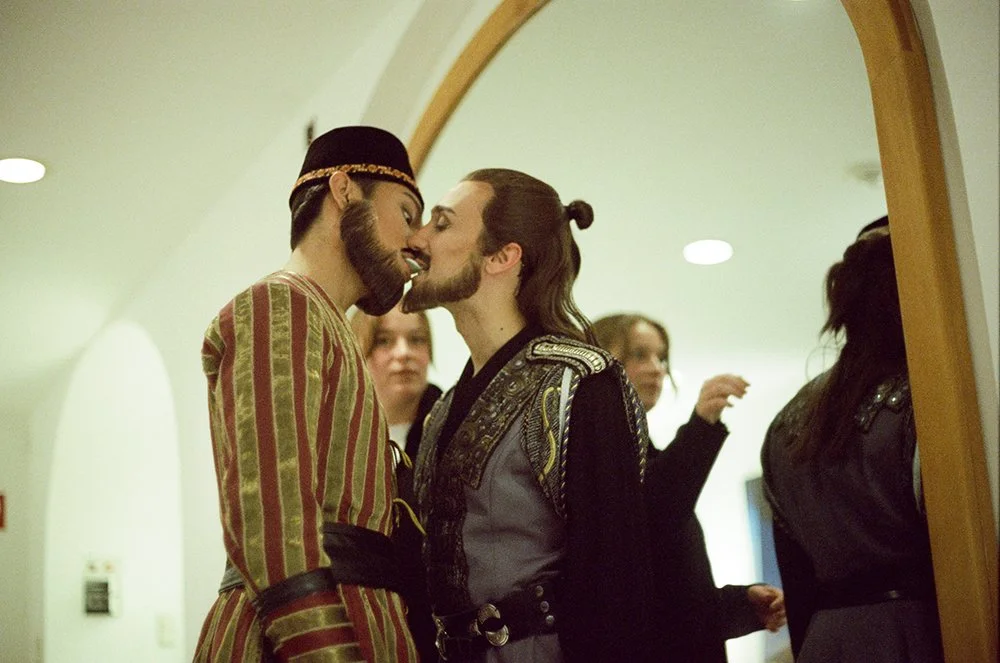
Godwin and Rinaldo
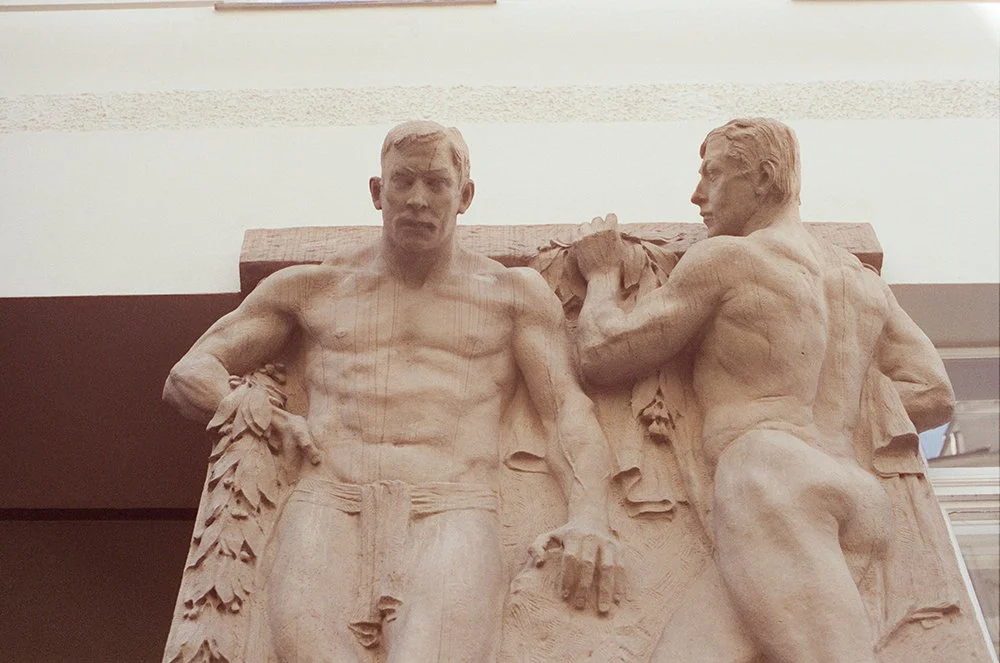
Stone Men
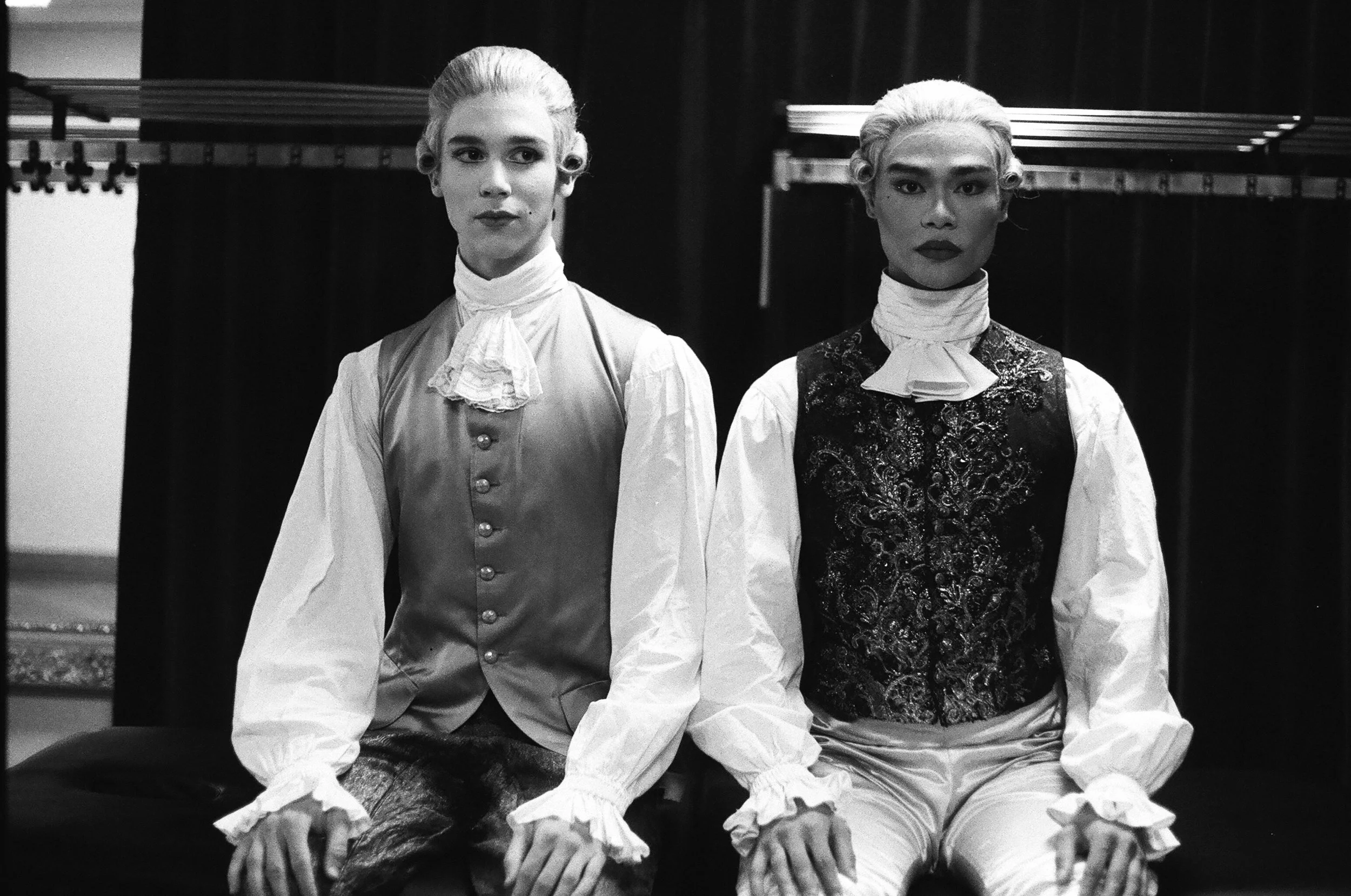
Benji and Godwin
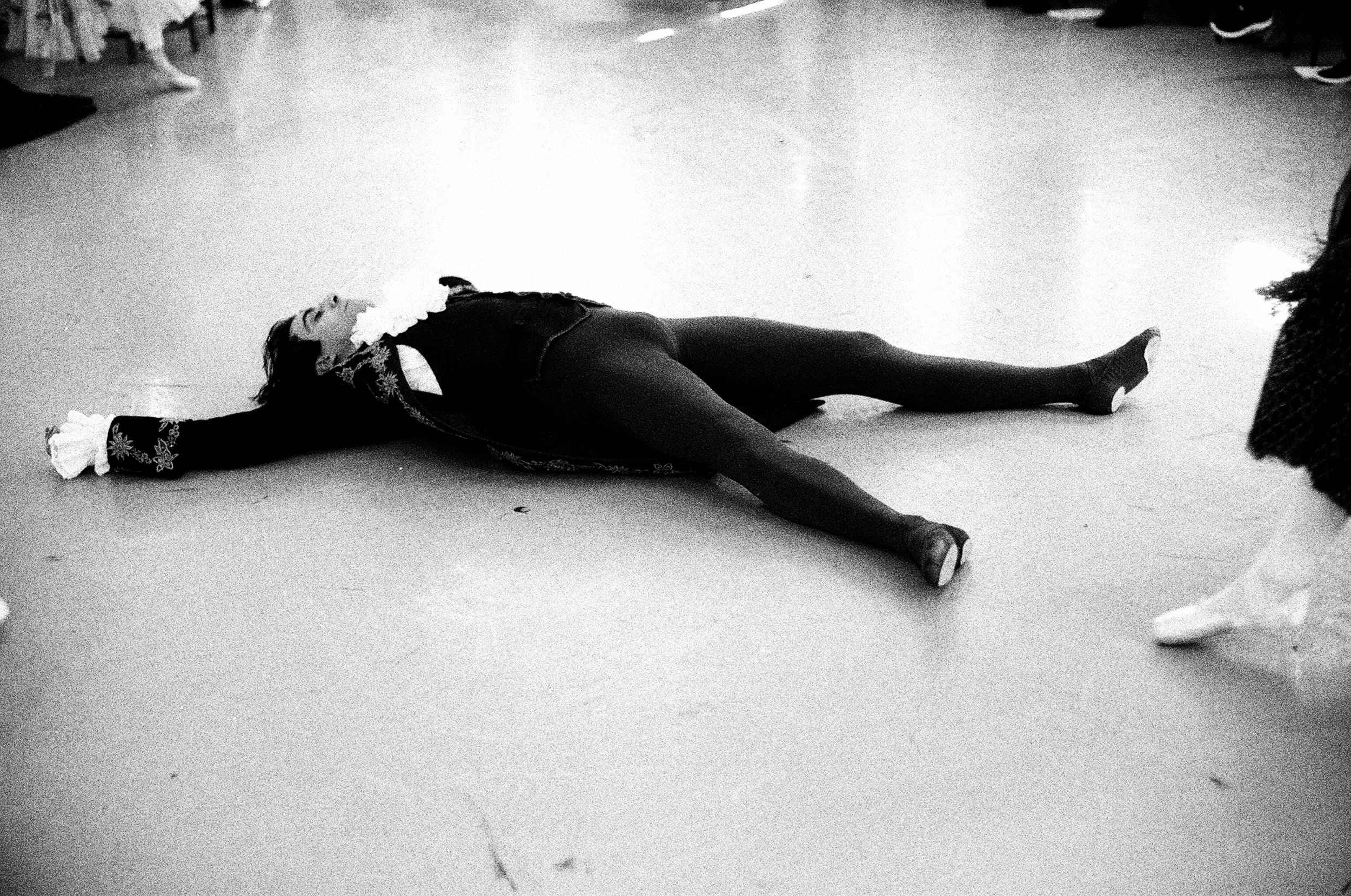
Alessandro
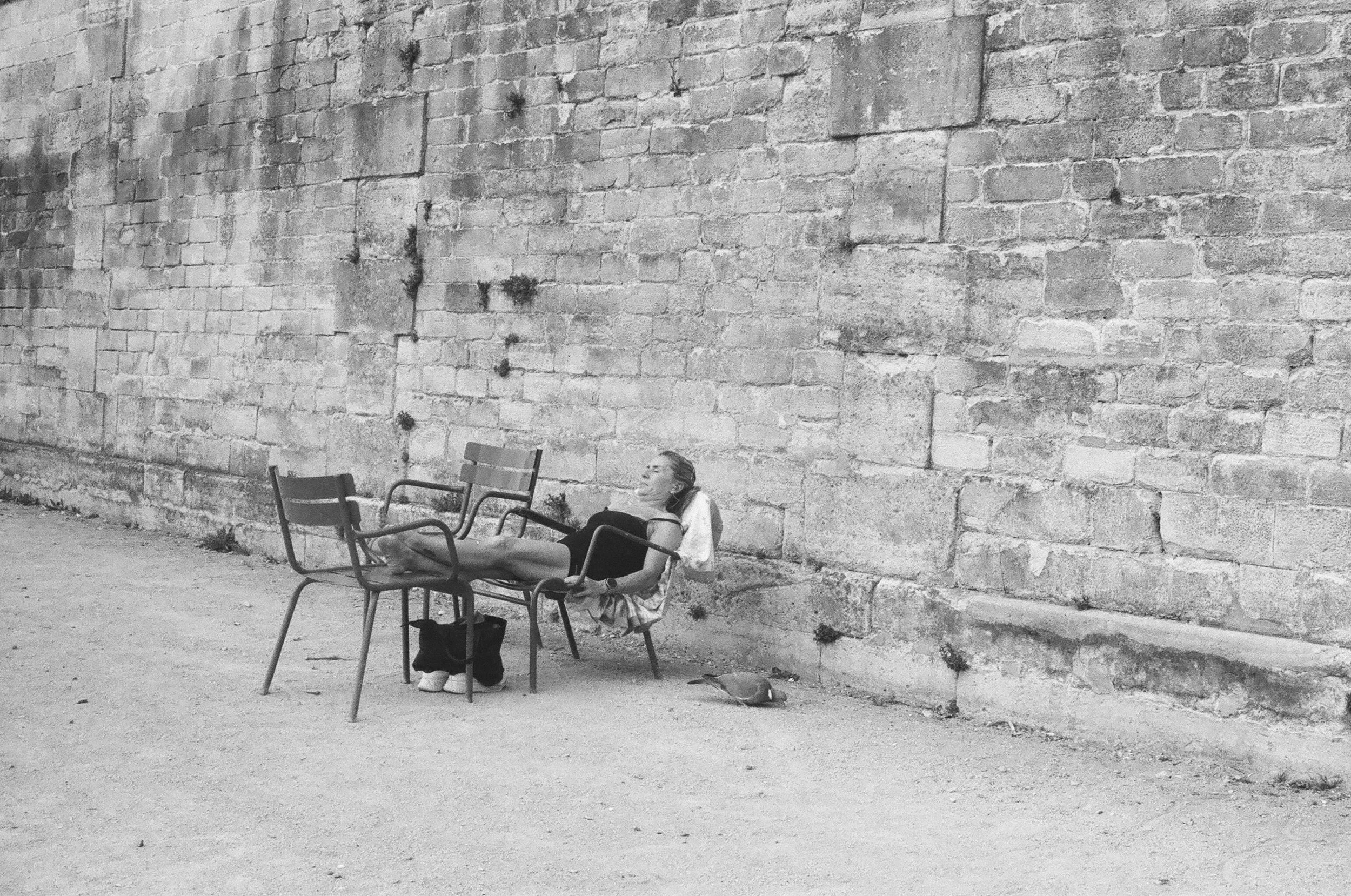
Woman at Rest
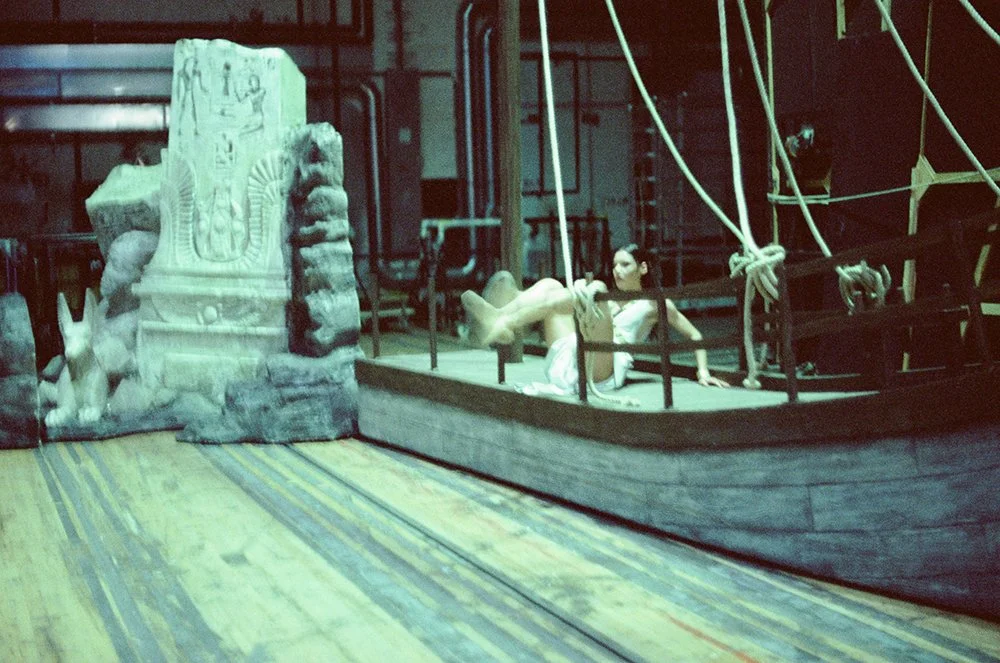
Sinthia Recovering
![Milda - [13"x8.5"]](https://images.squarespace-cdn.com/content/v1/6a1d9911d875d348e09d9bf2/11326bbb-d8ad-4631-8df5-8b2320337a82/00070015.jpg)
Milda - [13"x8.5"]
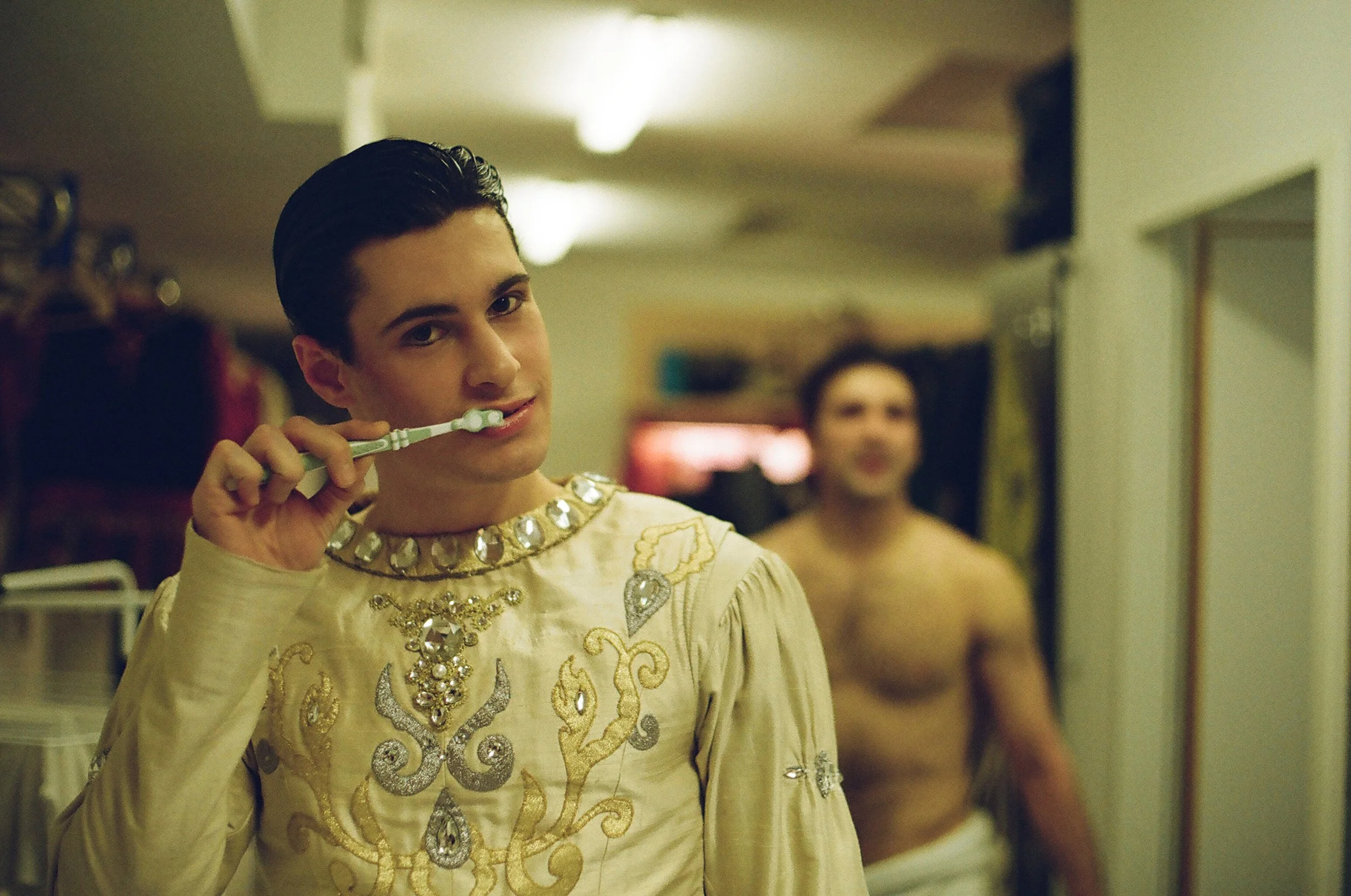
Gaspare Brushing
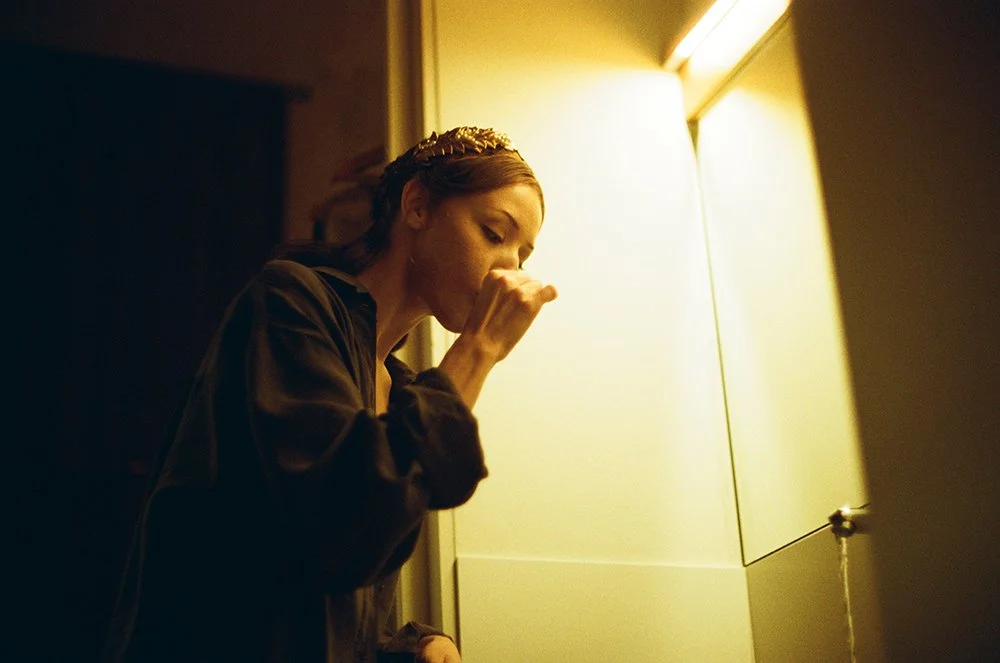
Madison Brushing
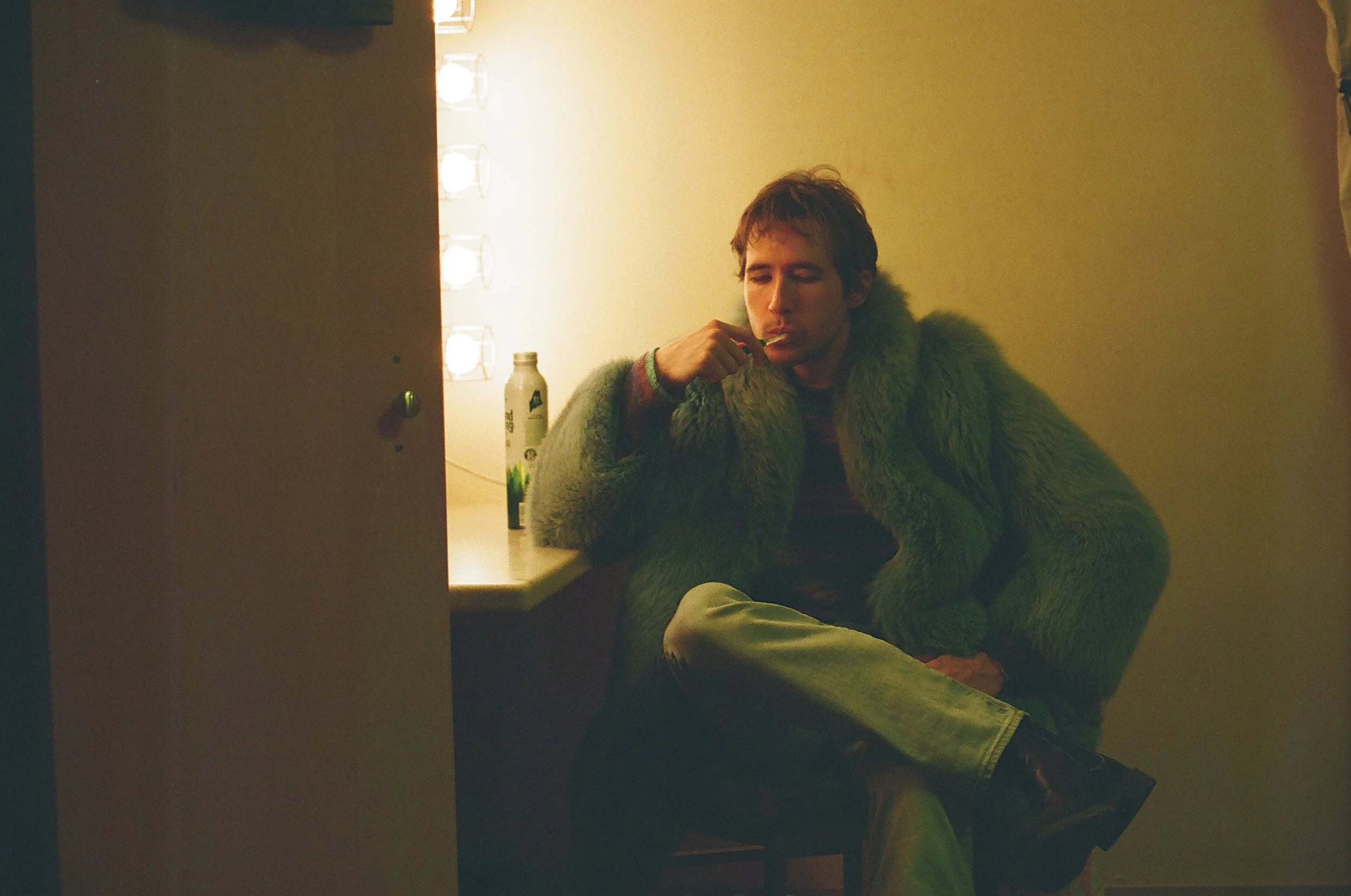
Joe brushing
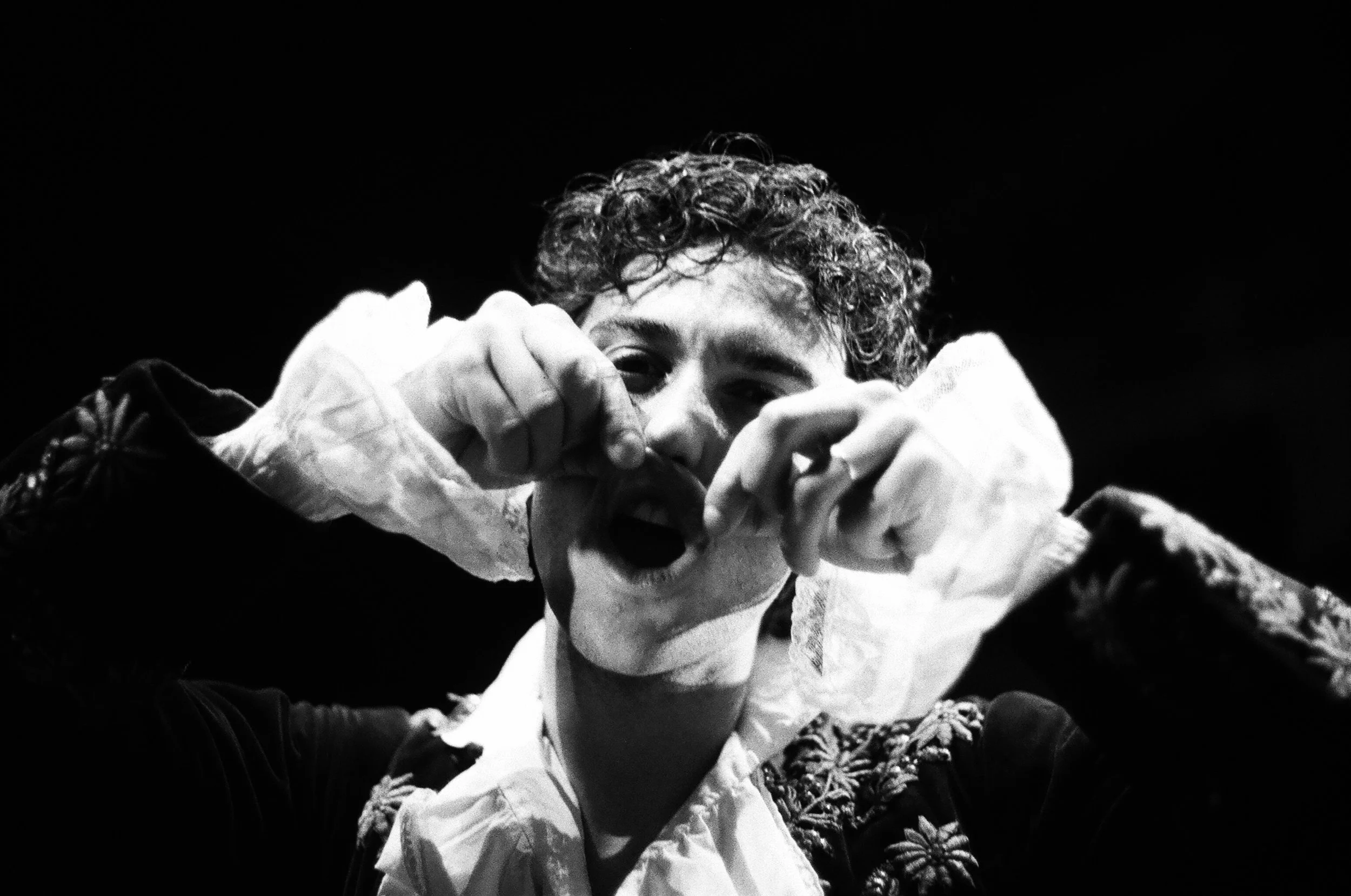
Rinaldo
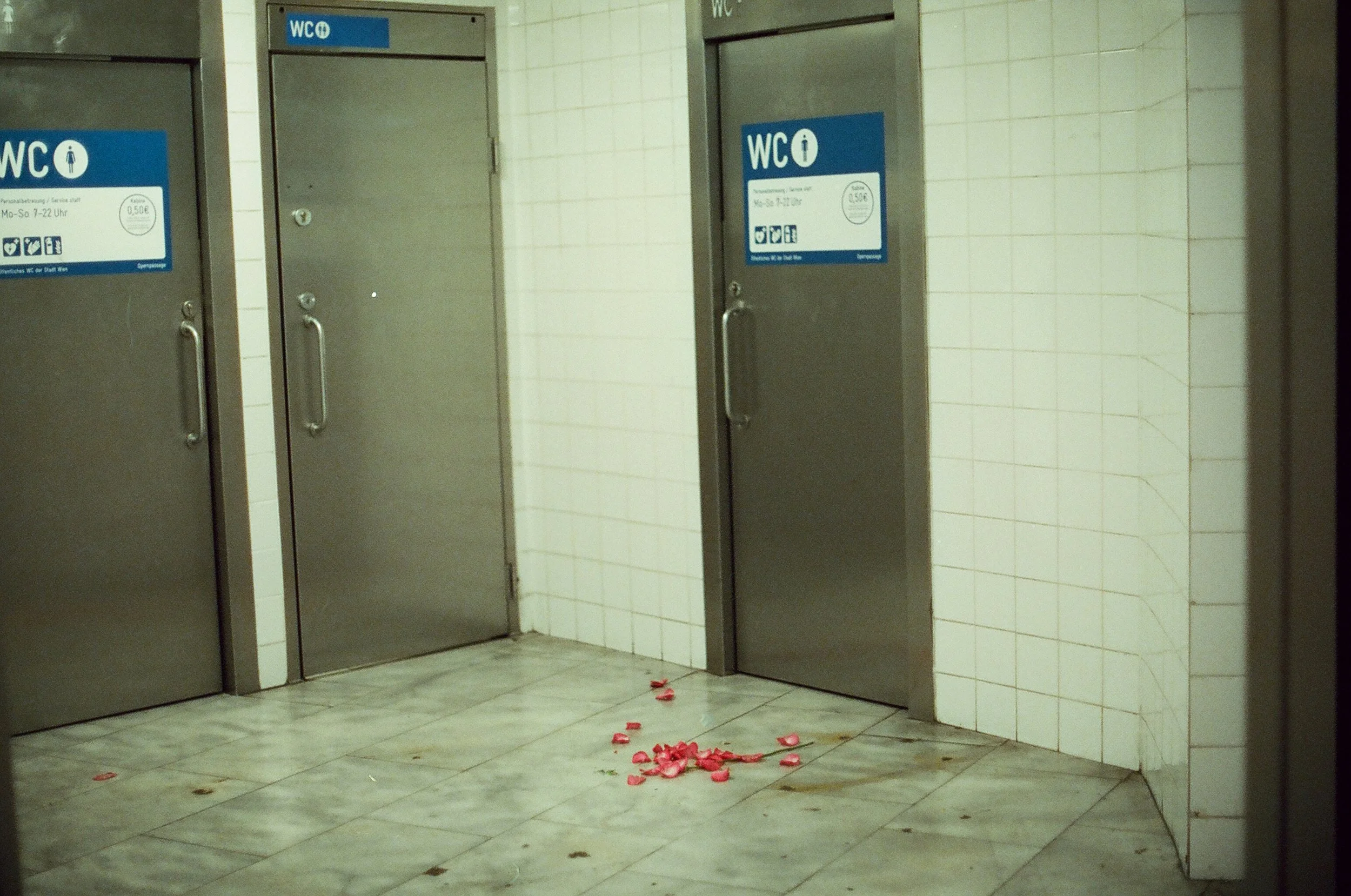
Pedals
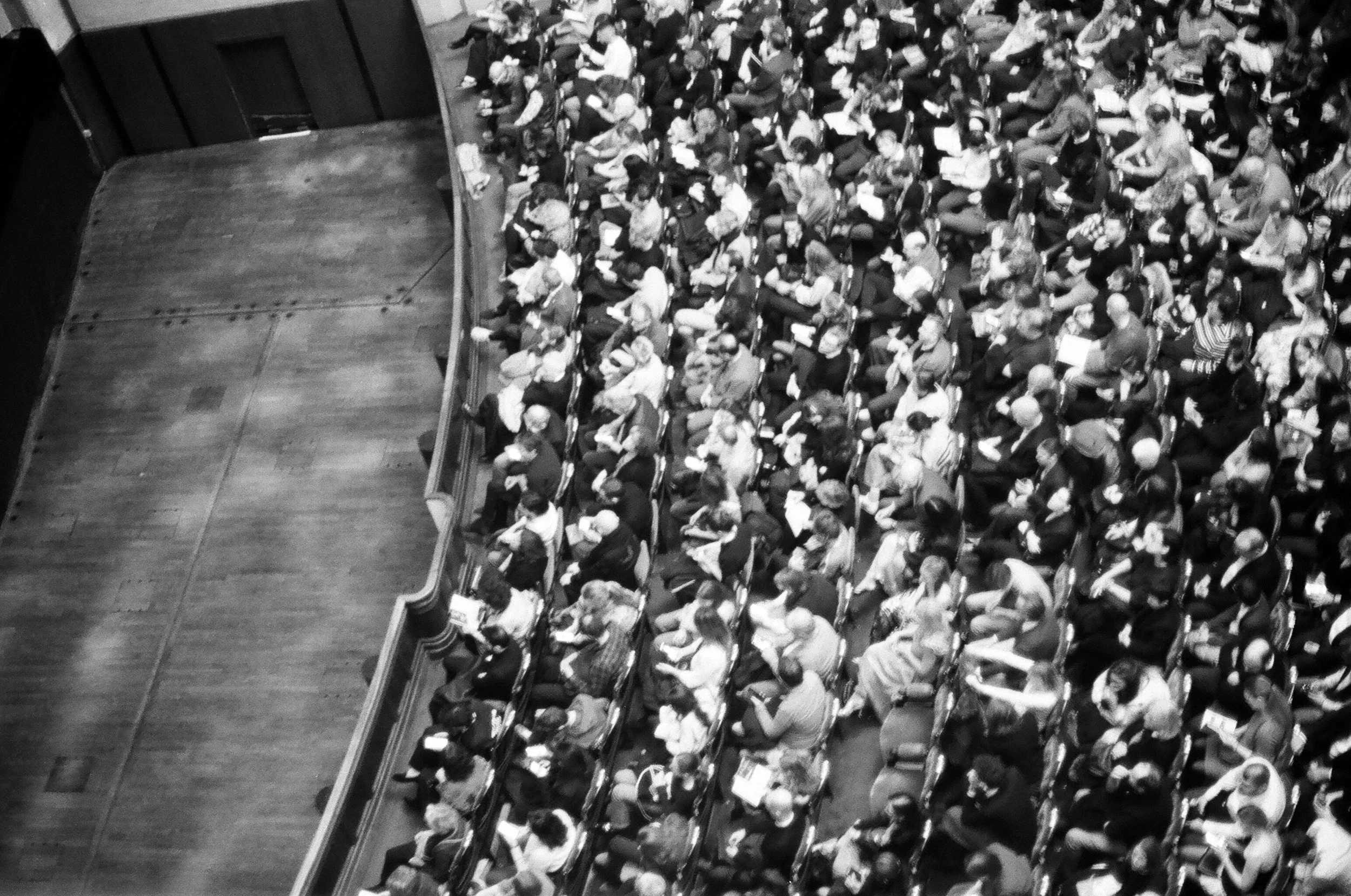
Orchestra Pit
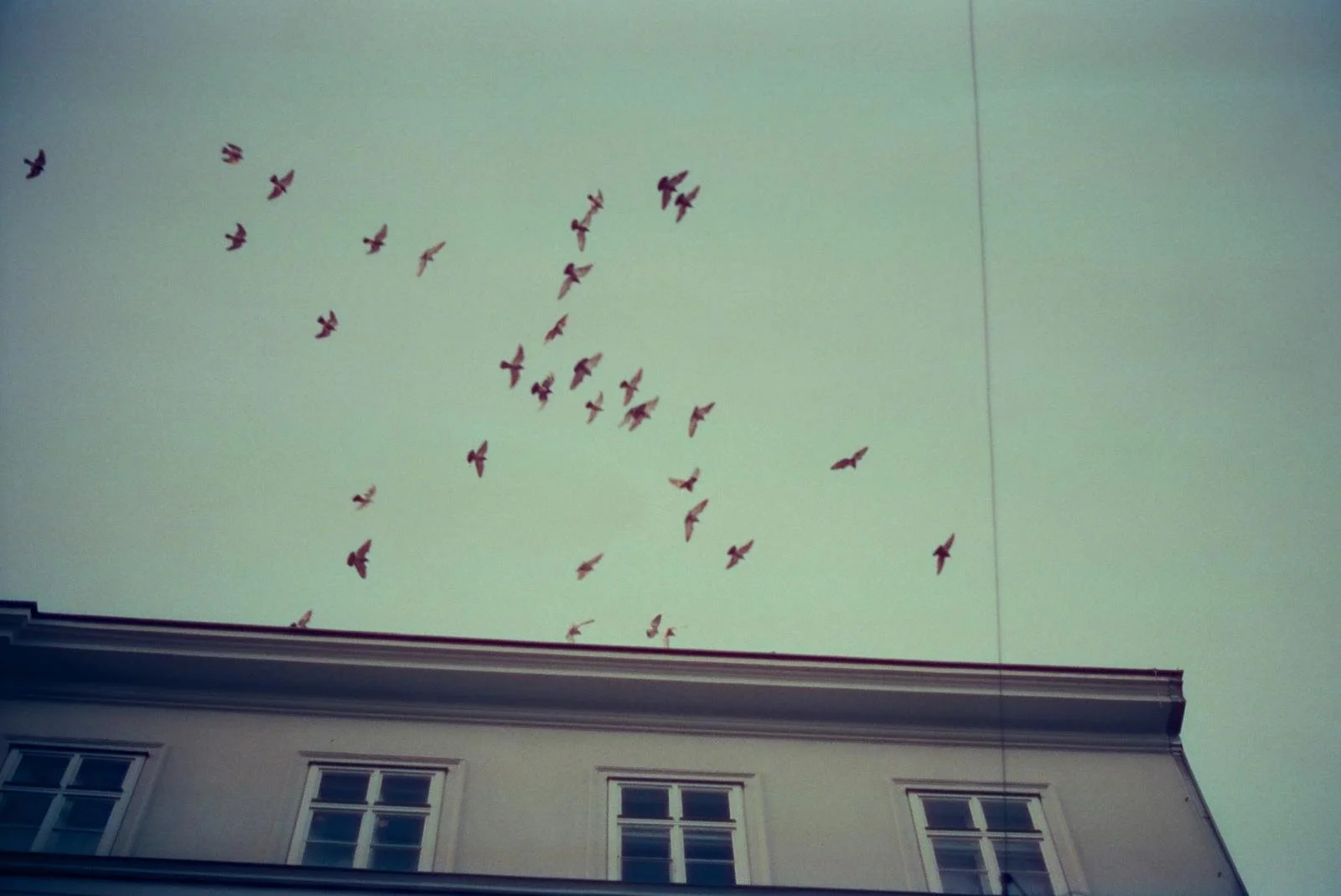
Vienna Morning - HELD
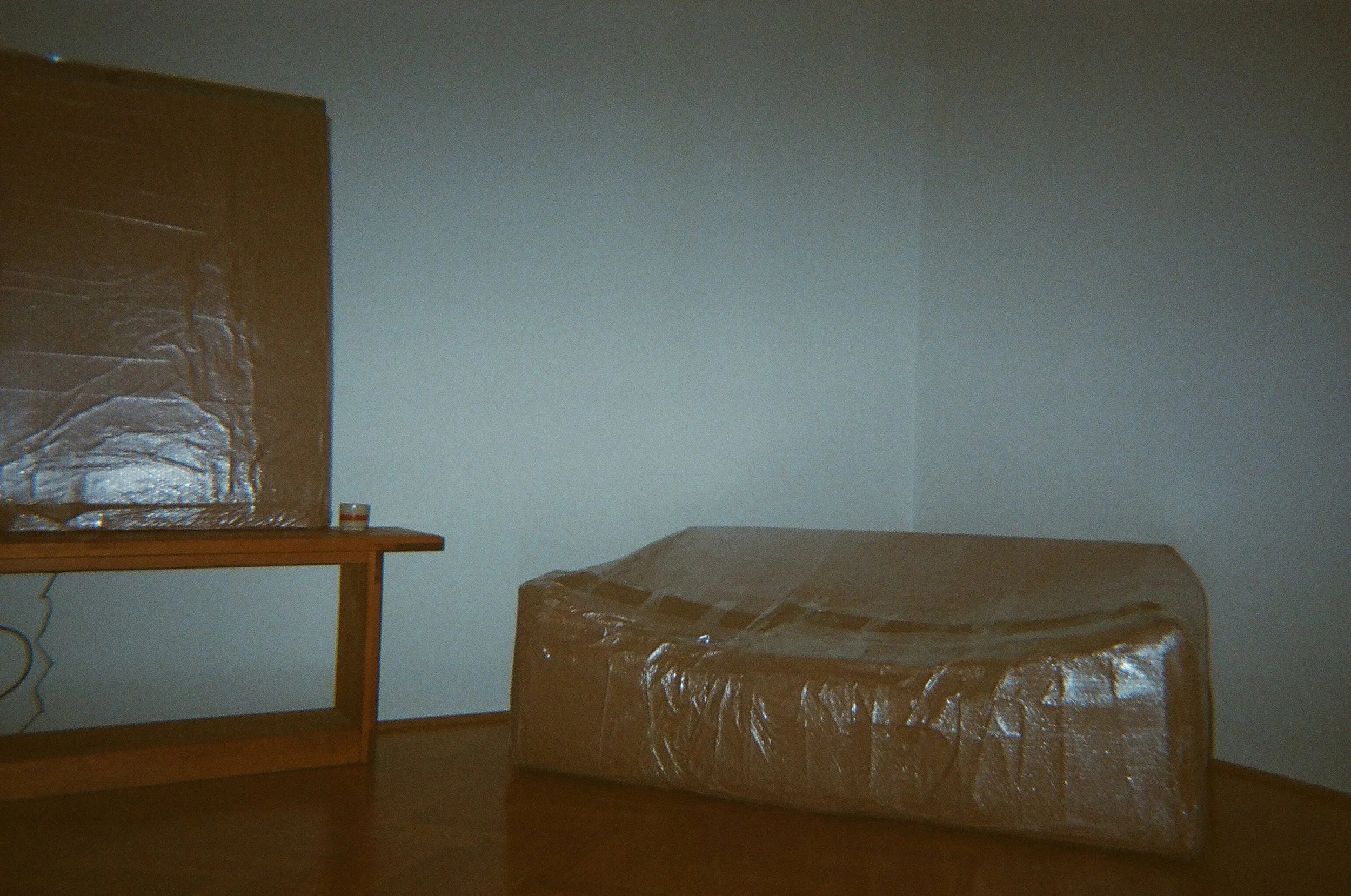
Vienna
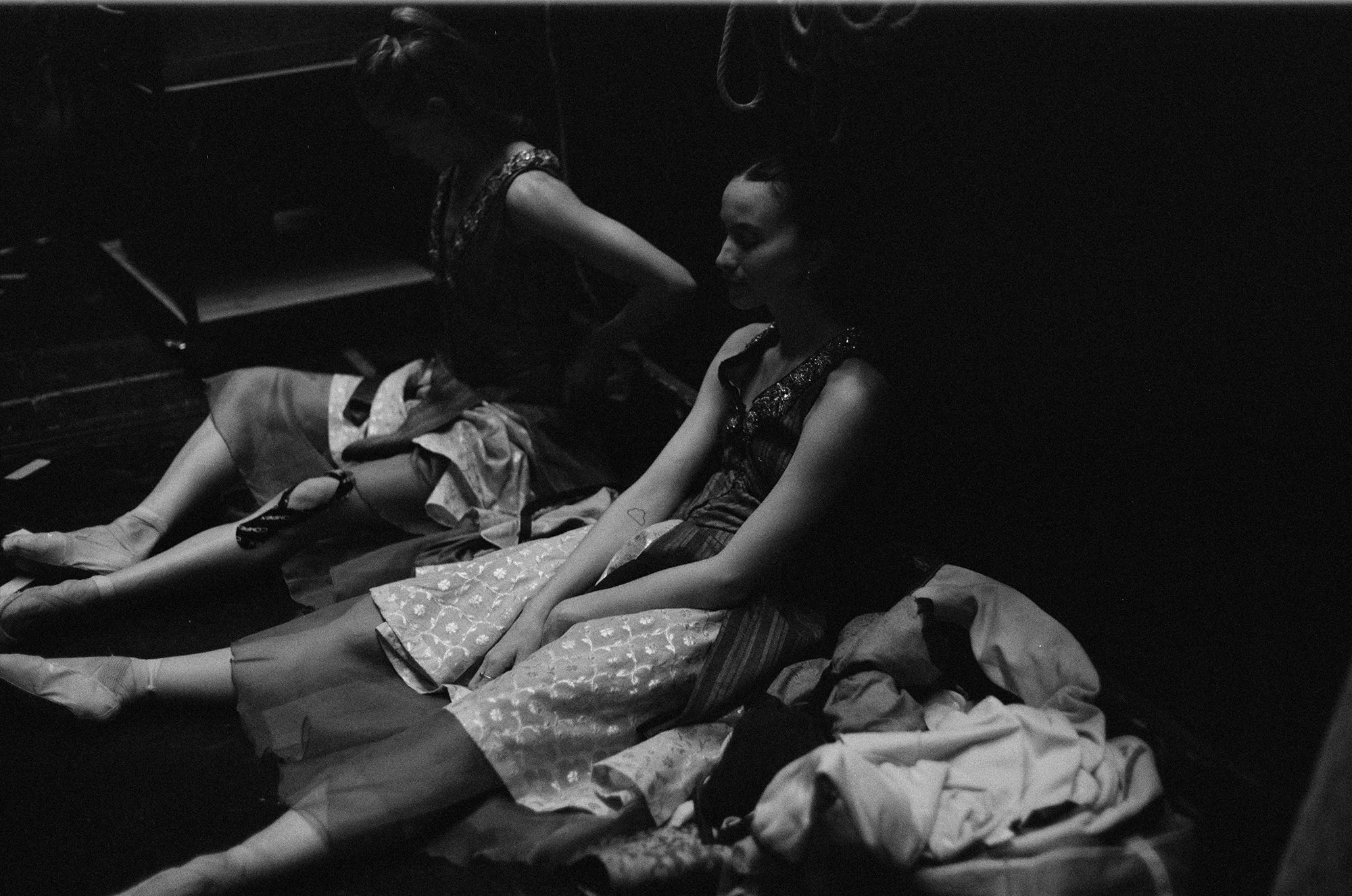
Alicia and Sveva
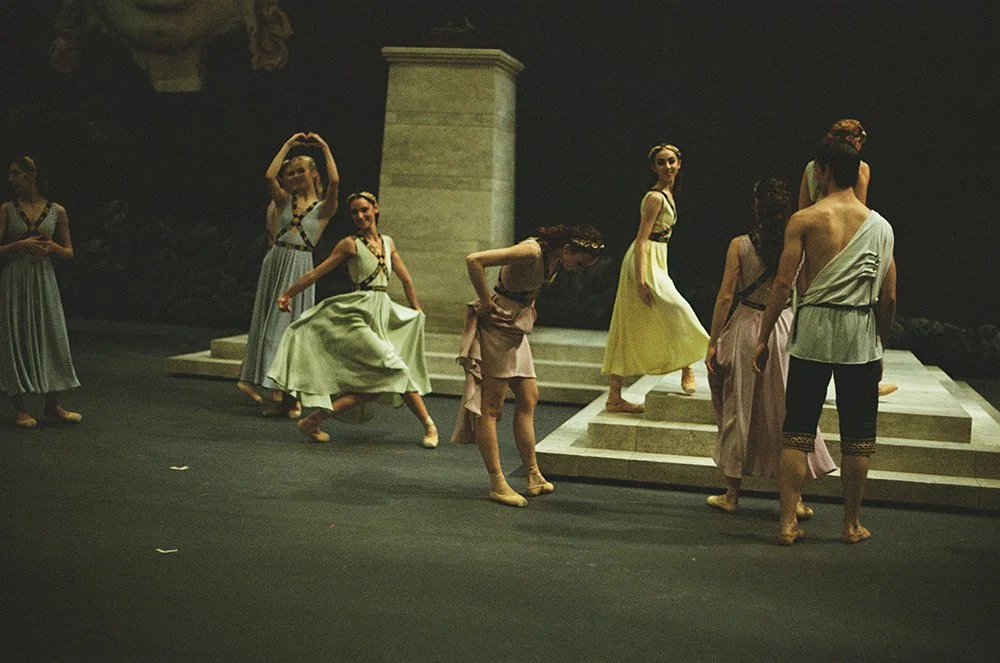
Chorus
Victor
Lavatory
Alex Belts
Warmup
Crew Quarters
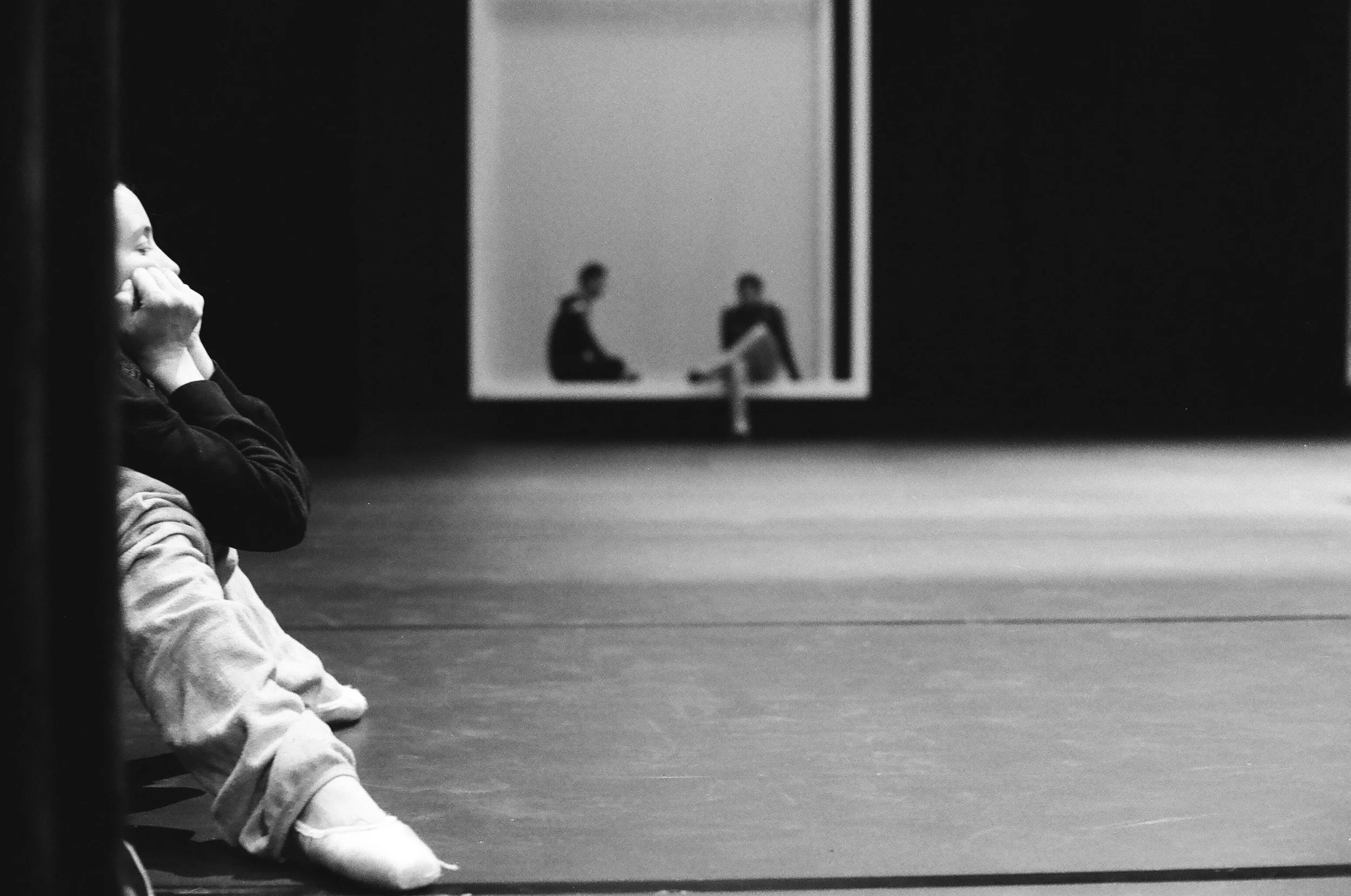
Sveva Resting
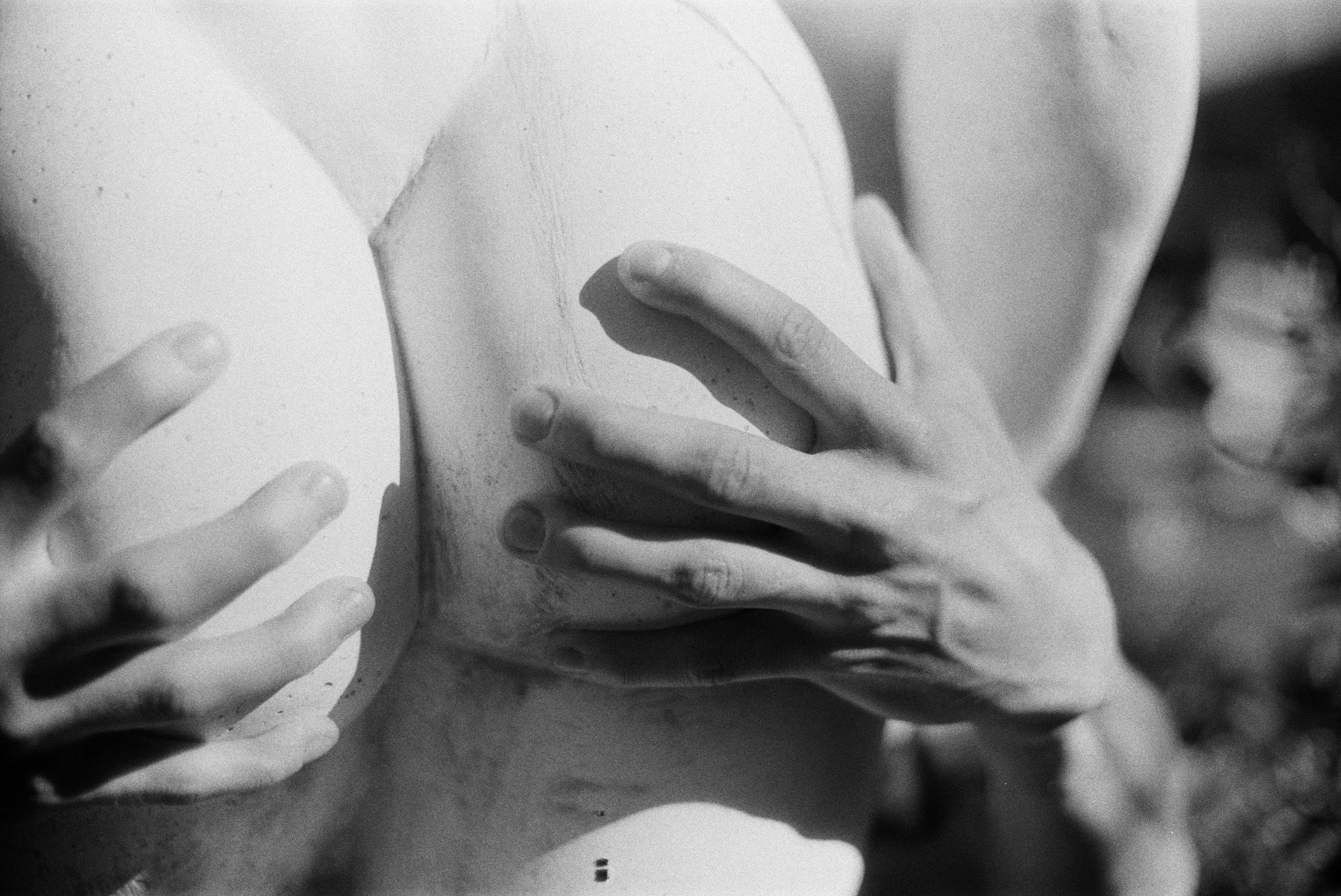
James with Stone
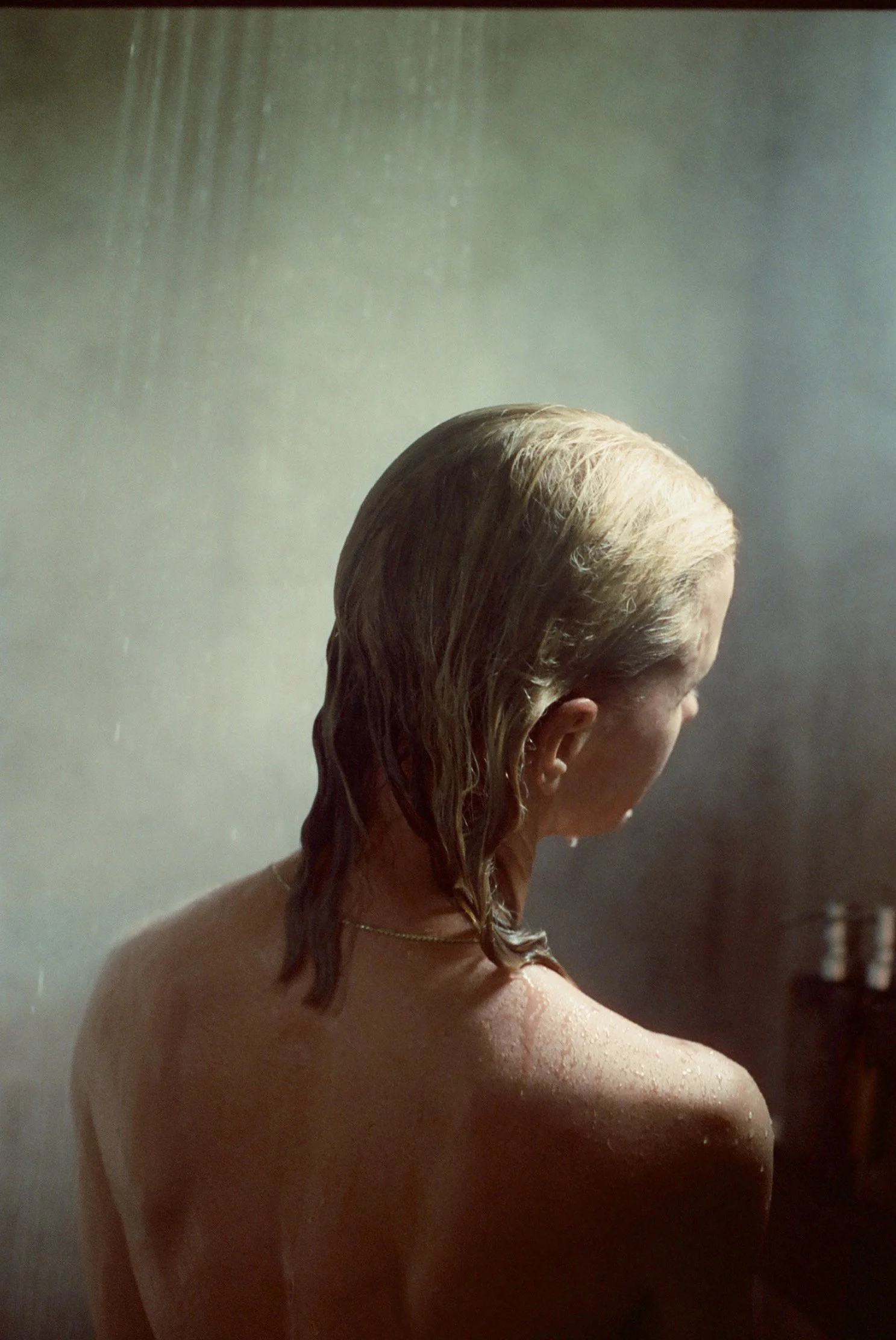
Merica May
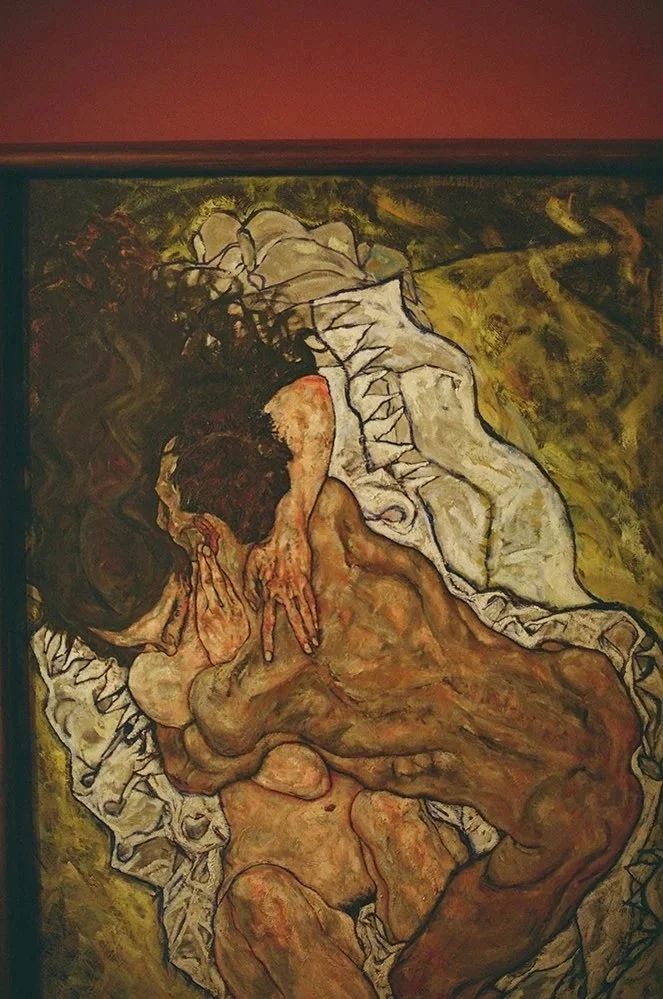
Schiele
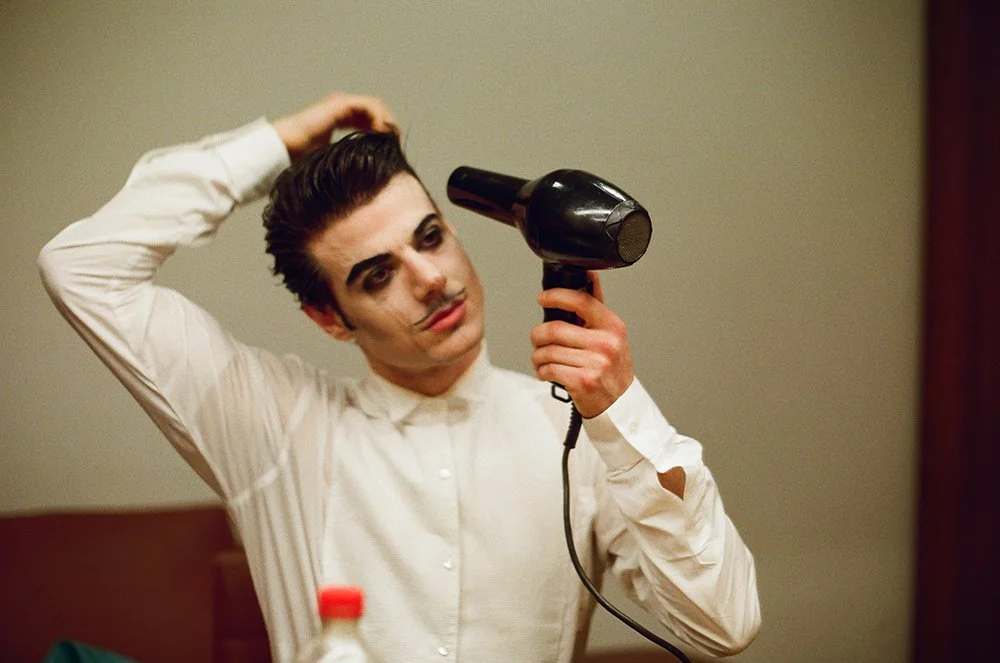
Davide
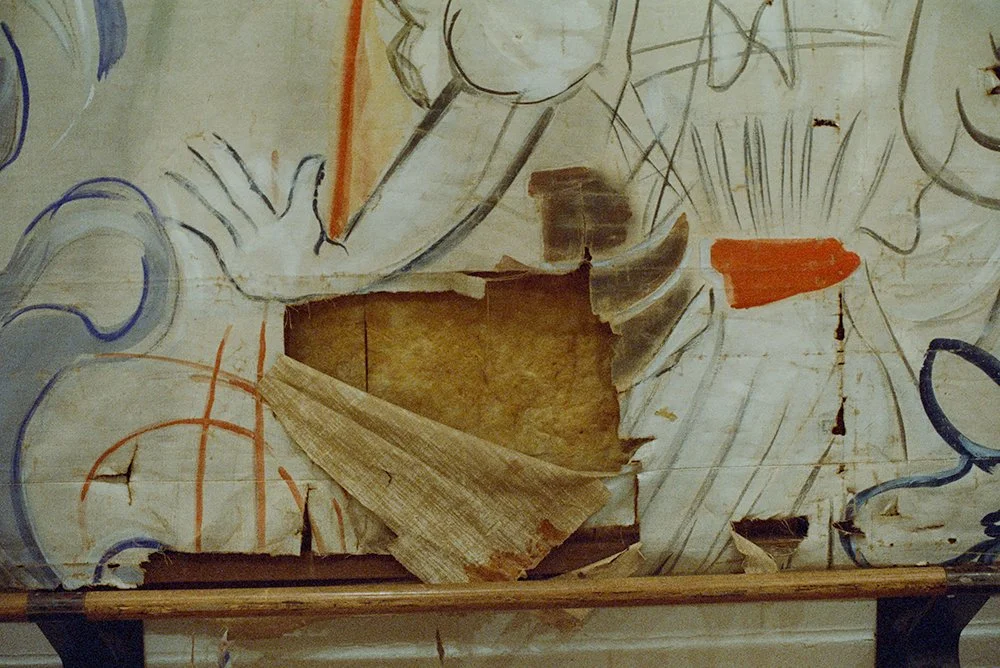
Met Basement
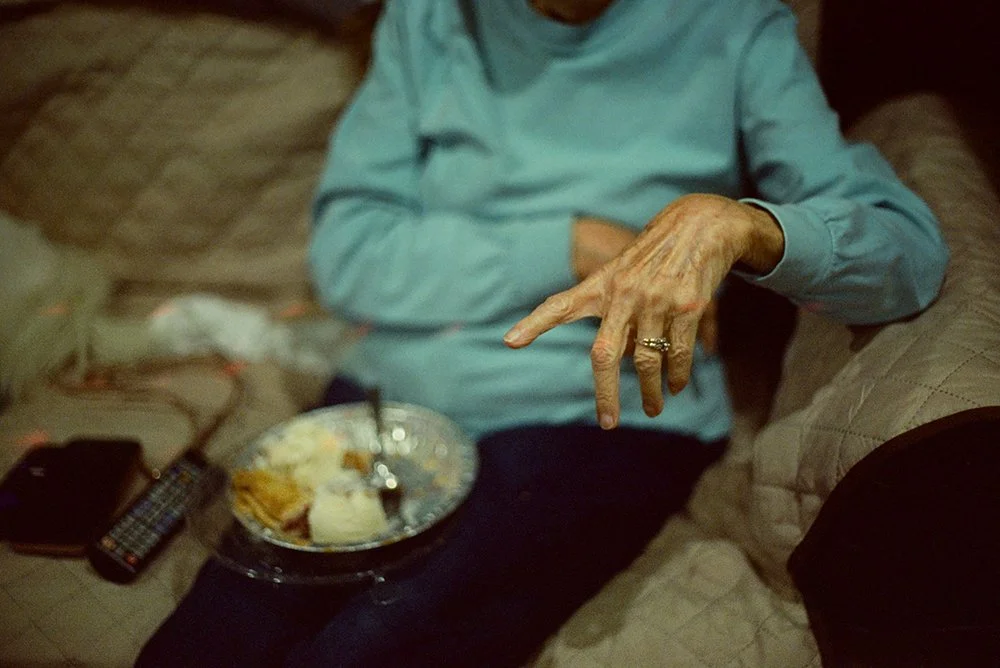
Grandma
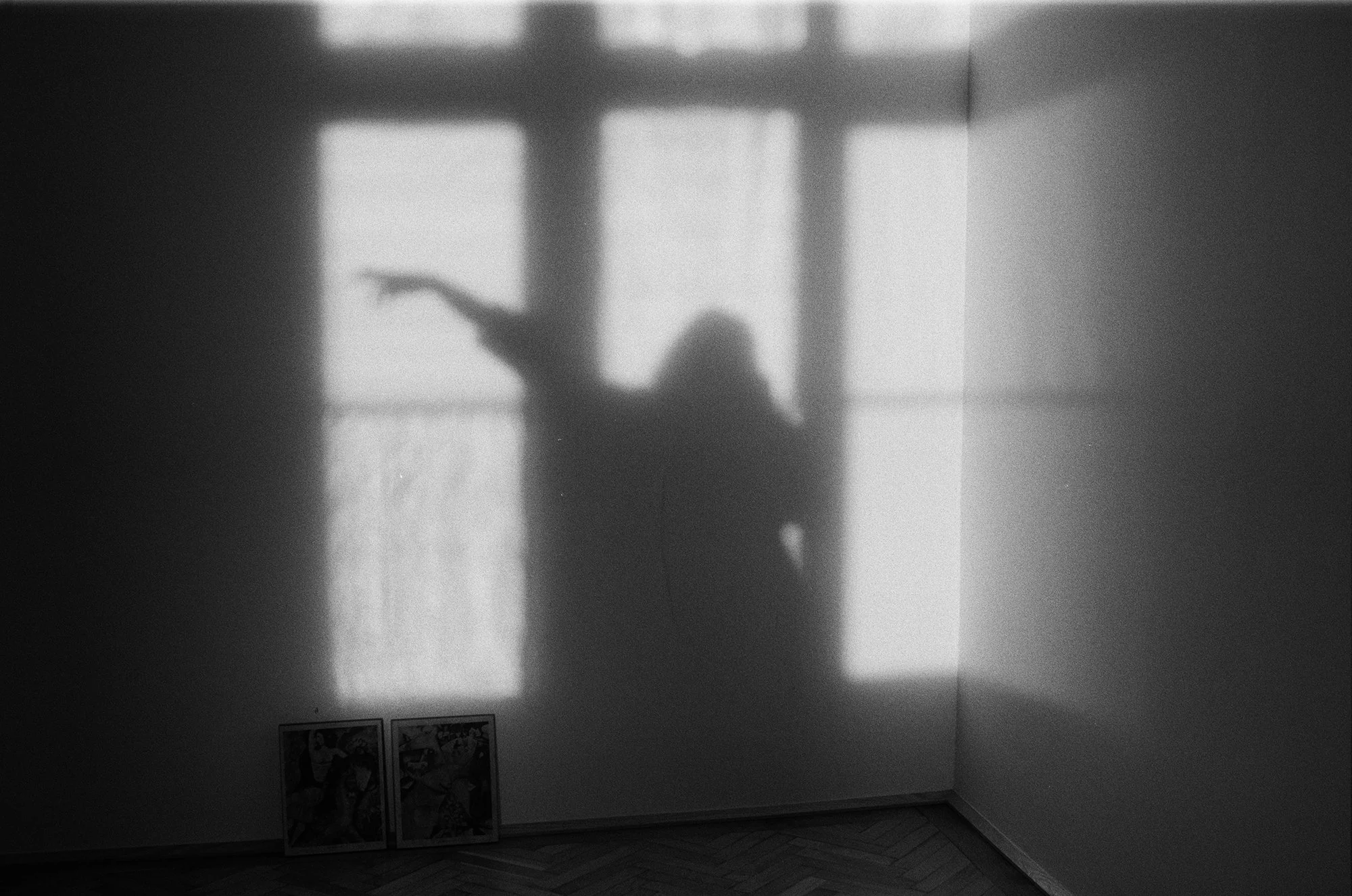
New Room, Self Portrait - HELD
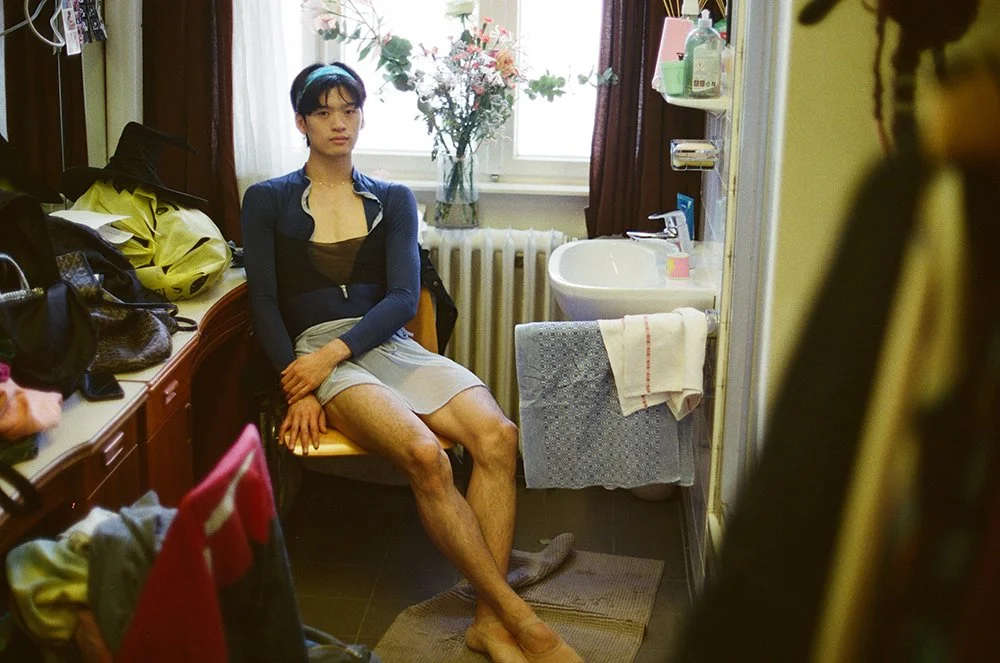
Kentaro
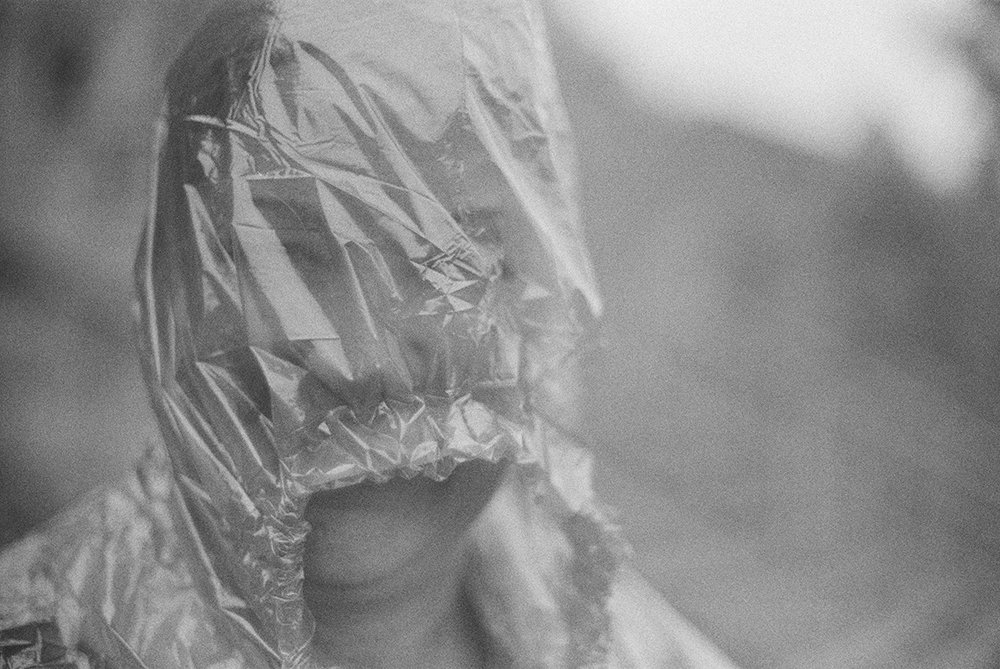
Mom
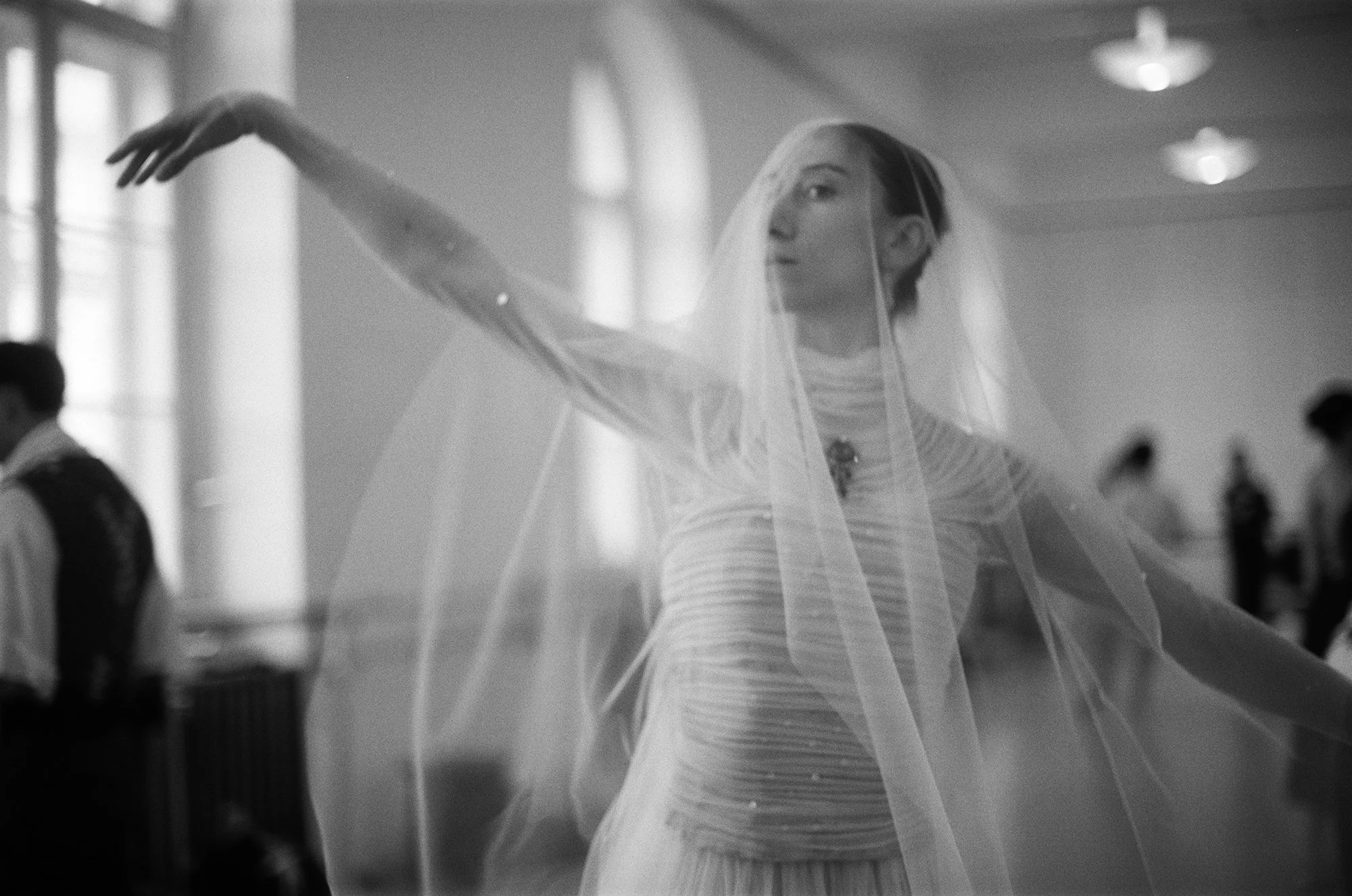
Ioanna
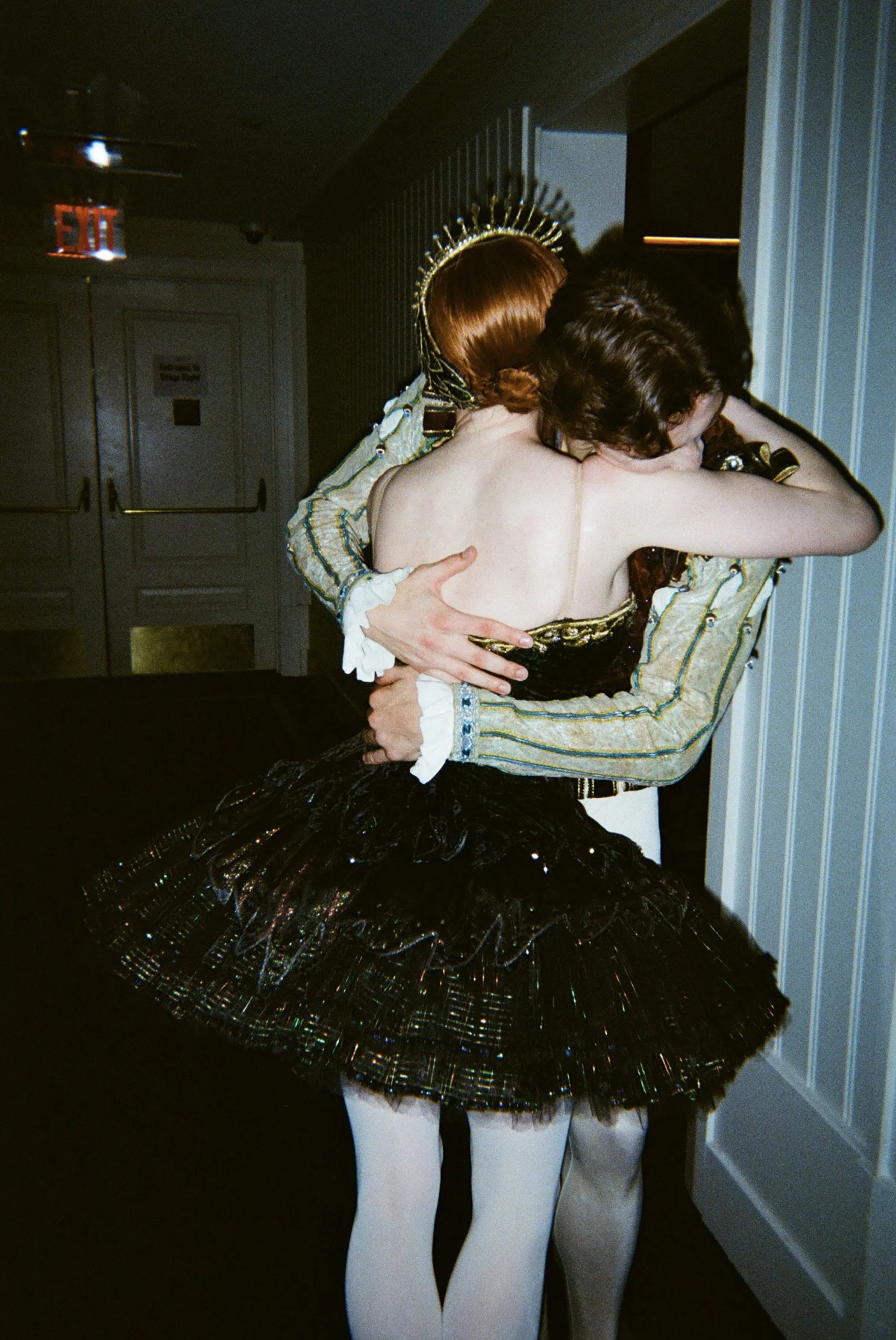
Gillian and Mikey
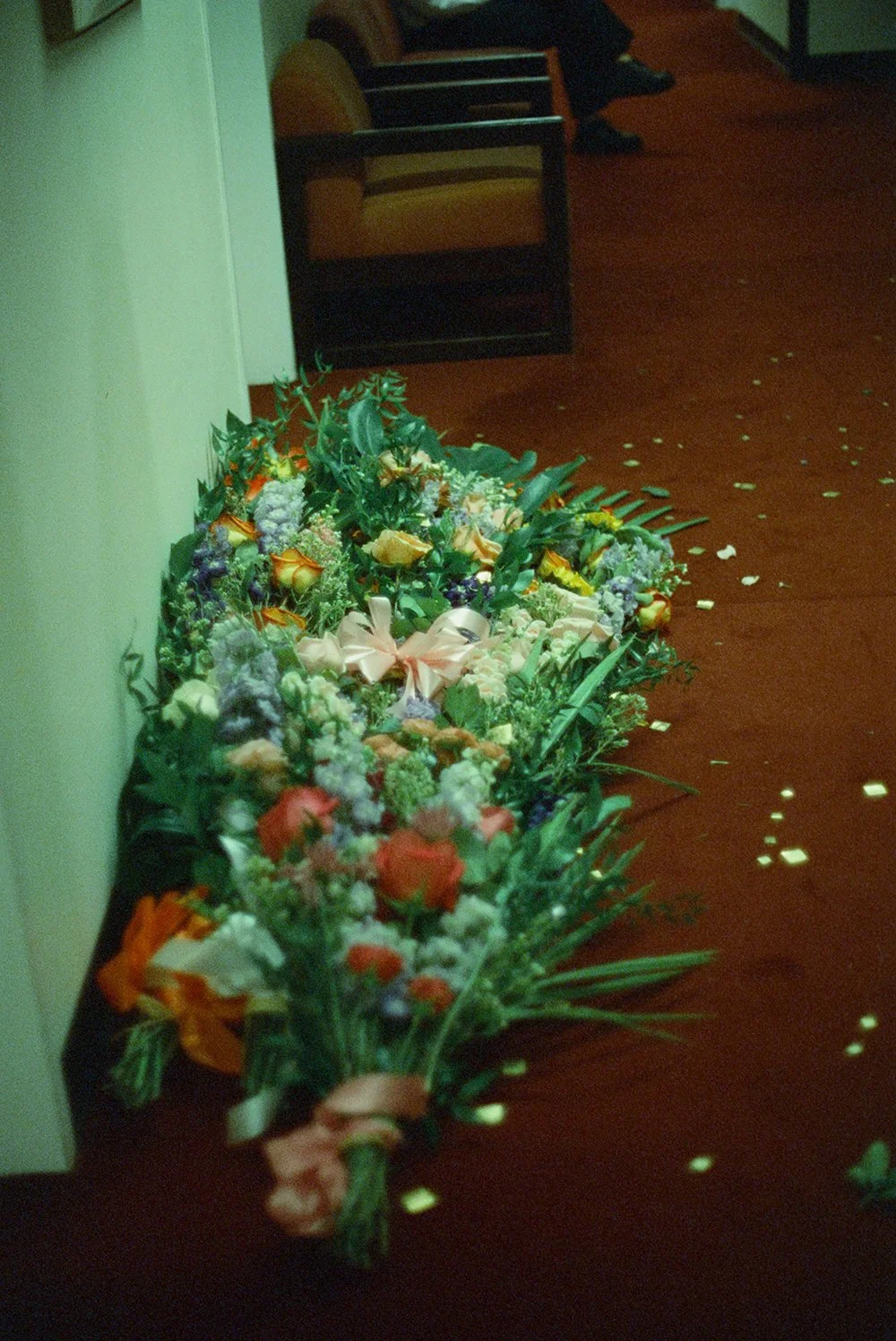
Retirement
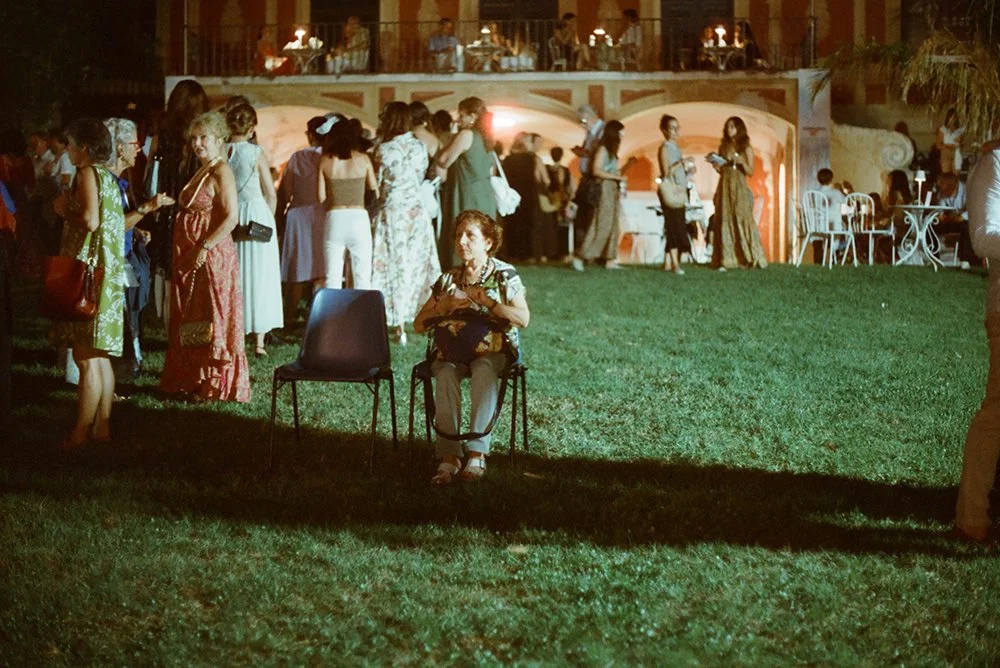
Alone in Nervi
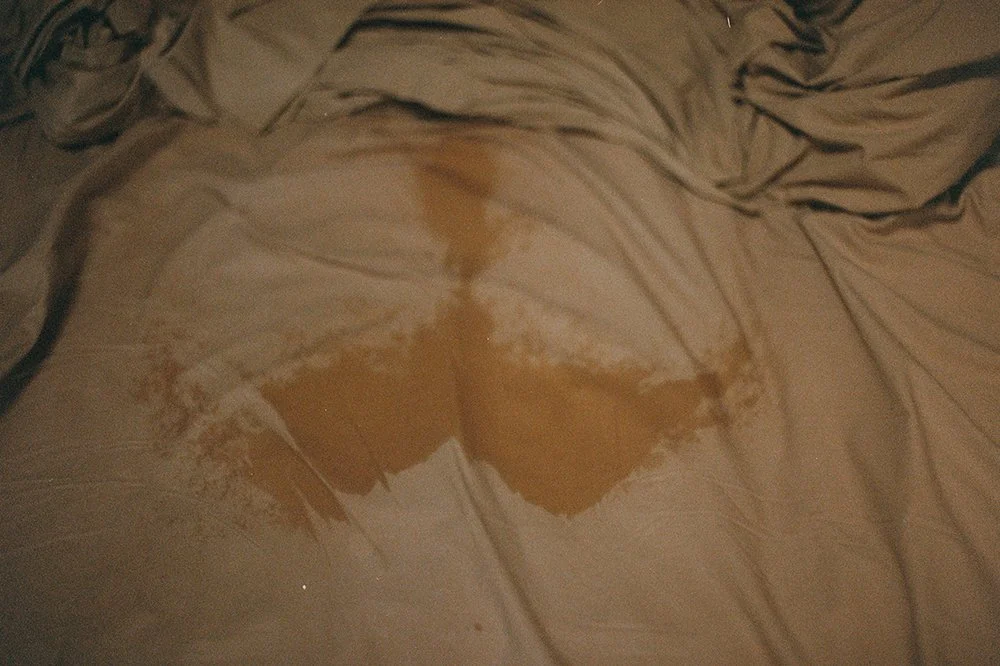
Carroll Gardens
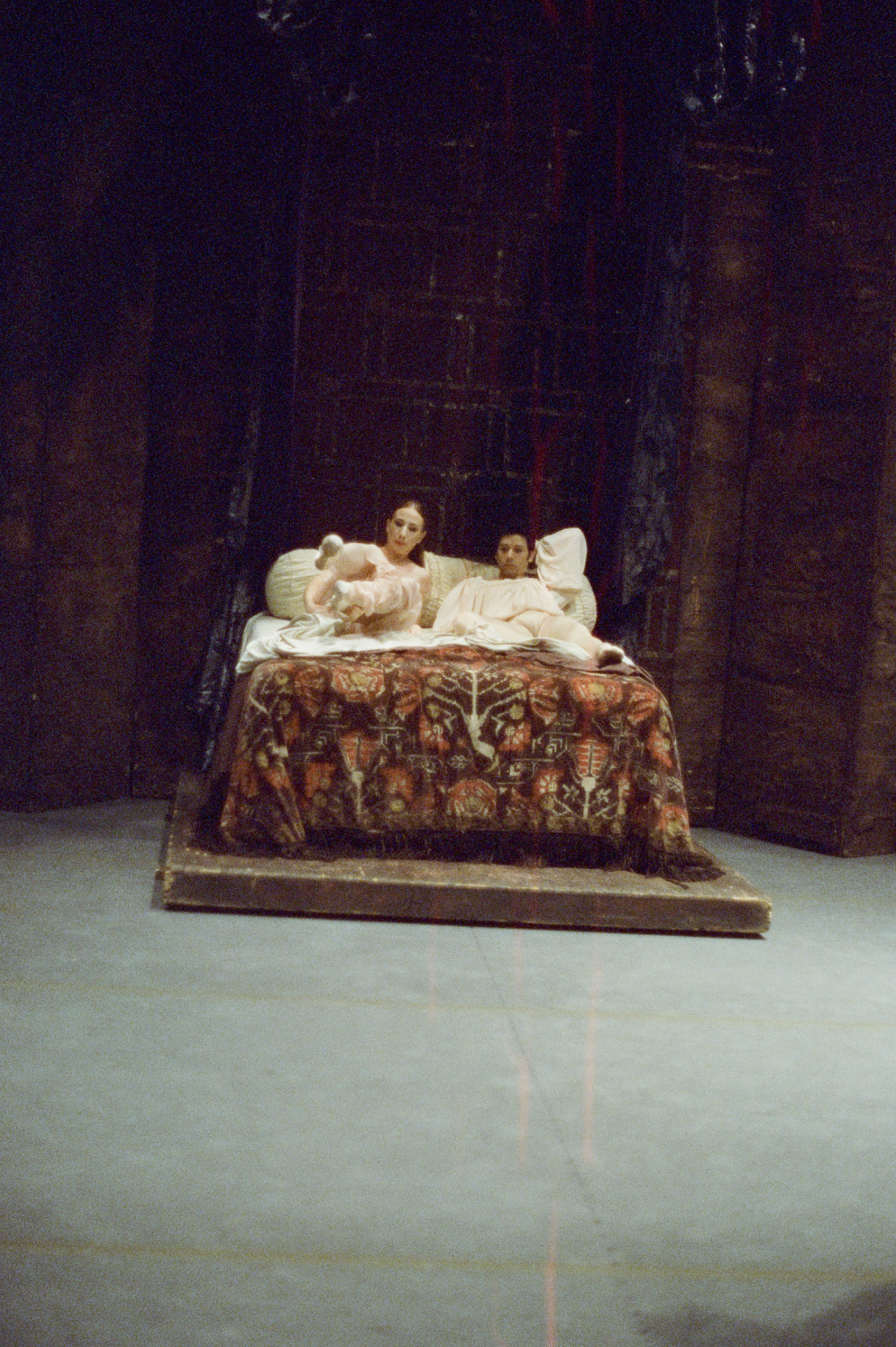
Isabella and Herman
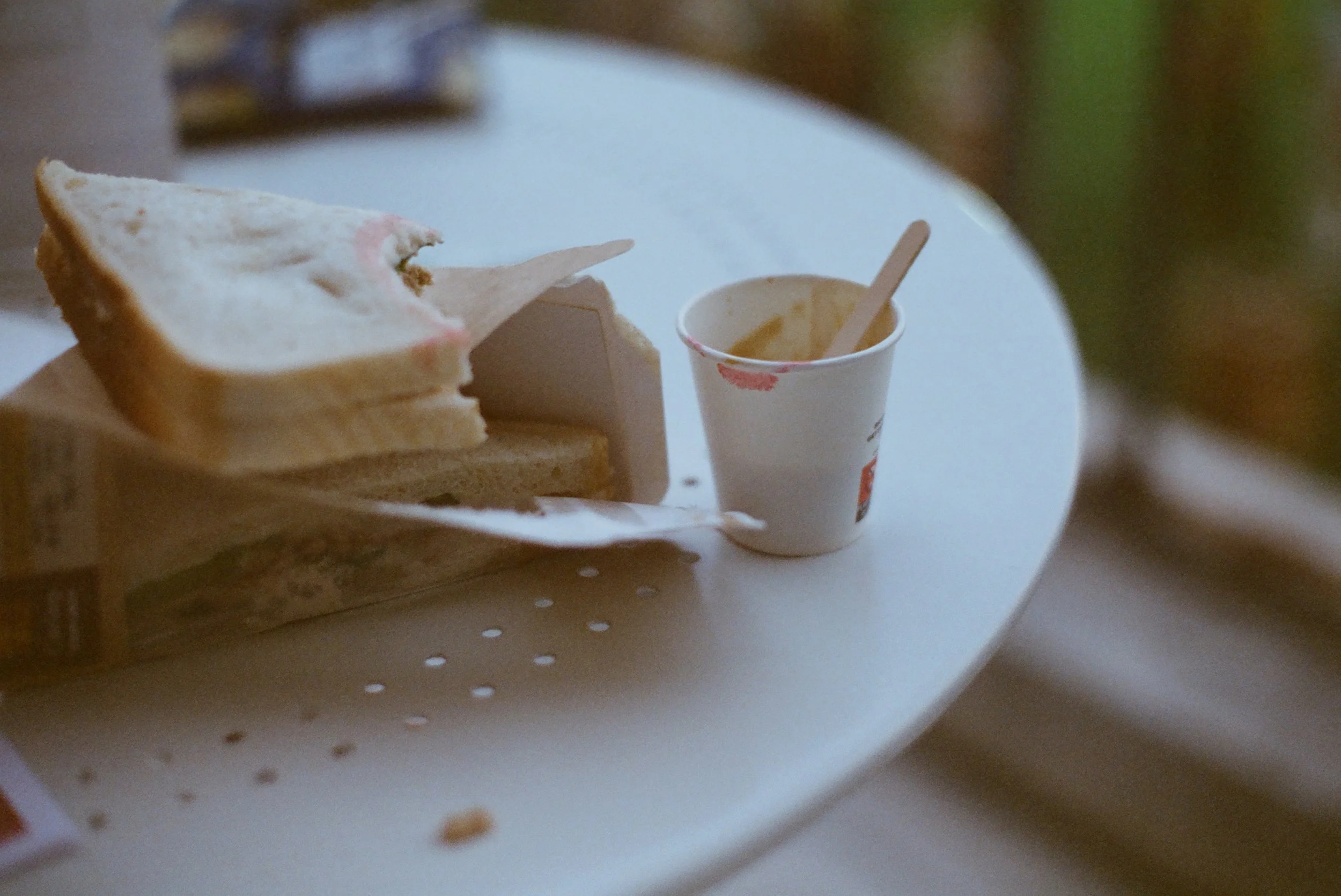
Genoa
![Alex - [4"x6"]](https://images.squarespace-cdn.com/content/v1/6a1d9911d875d348e09d9bf2/a0904572-4aad-4a5c-a15c-4877fb2aa58e/00010002.jpg)
Alex - [4"x6"]
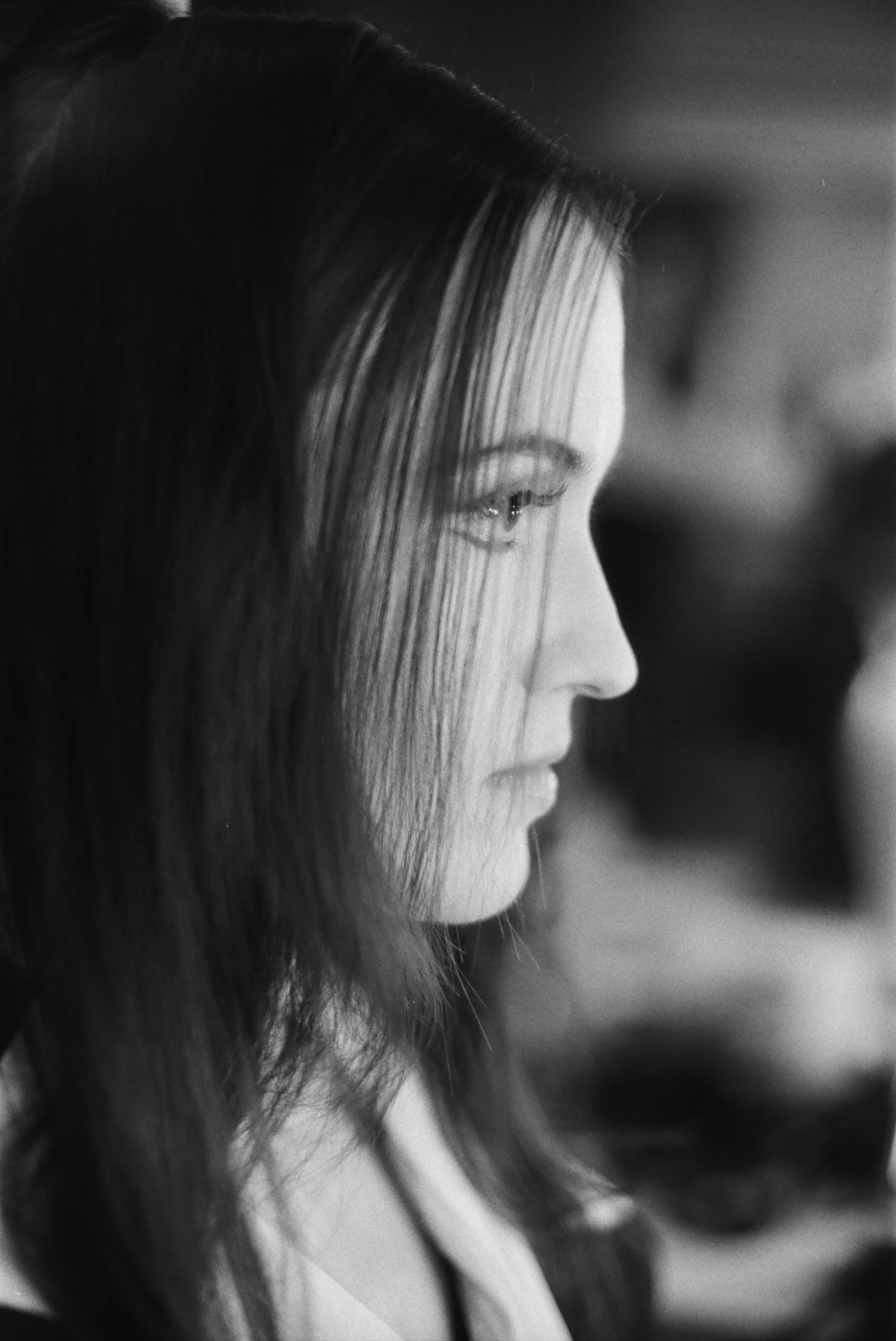
Remy
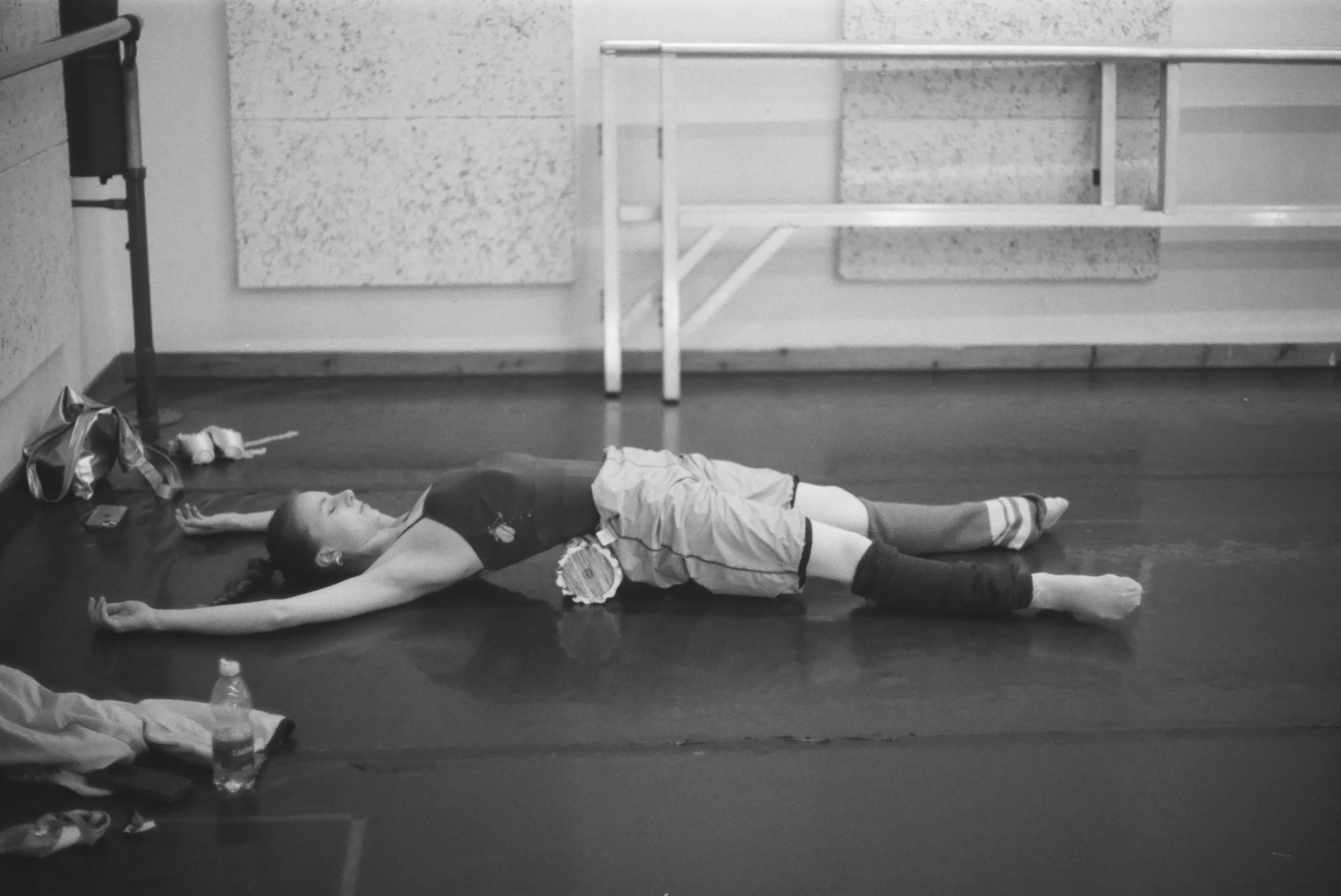
Ida Stretching
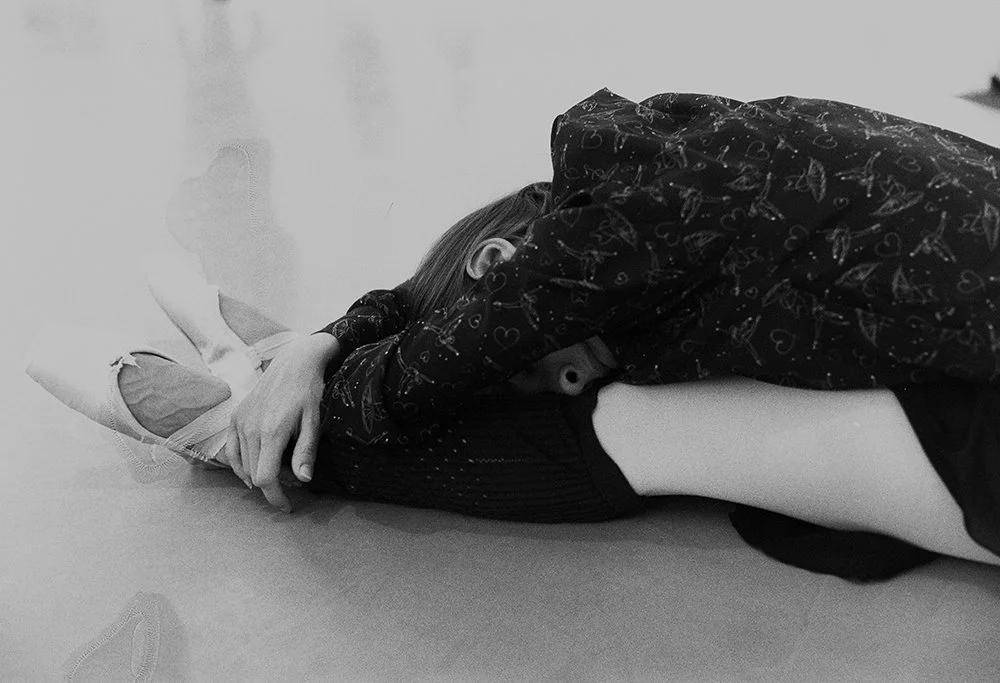
Margarita Resting
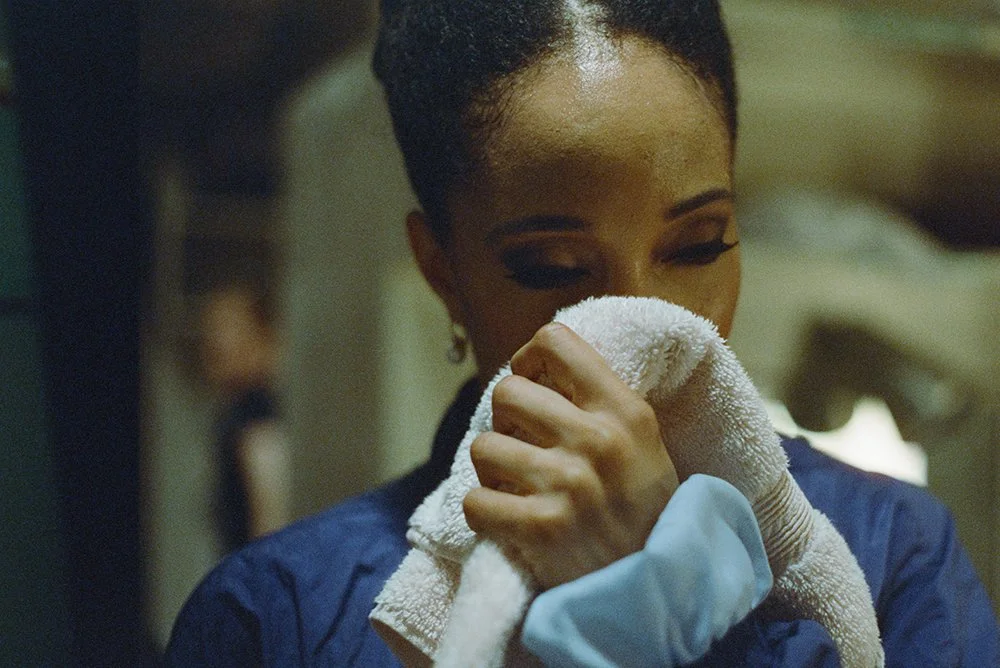
Courtney
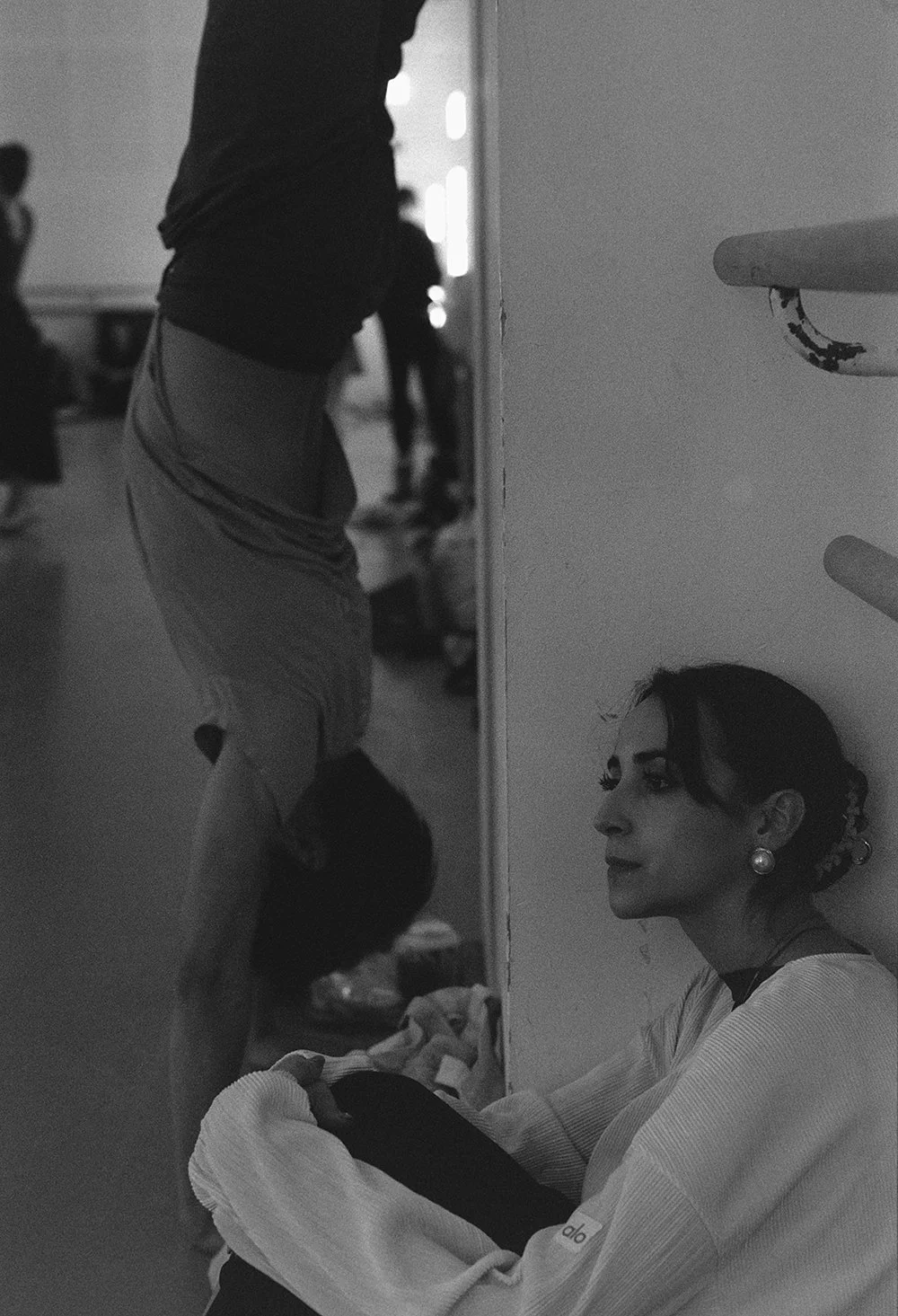
Laura and Kentaro
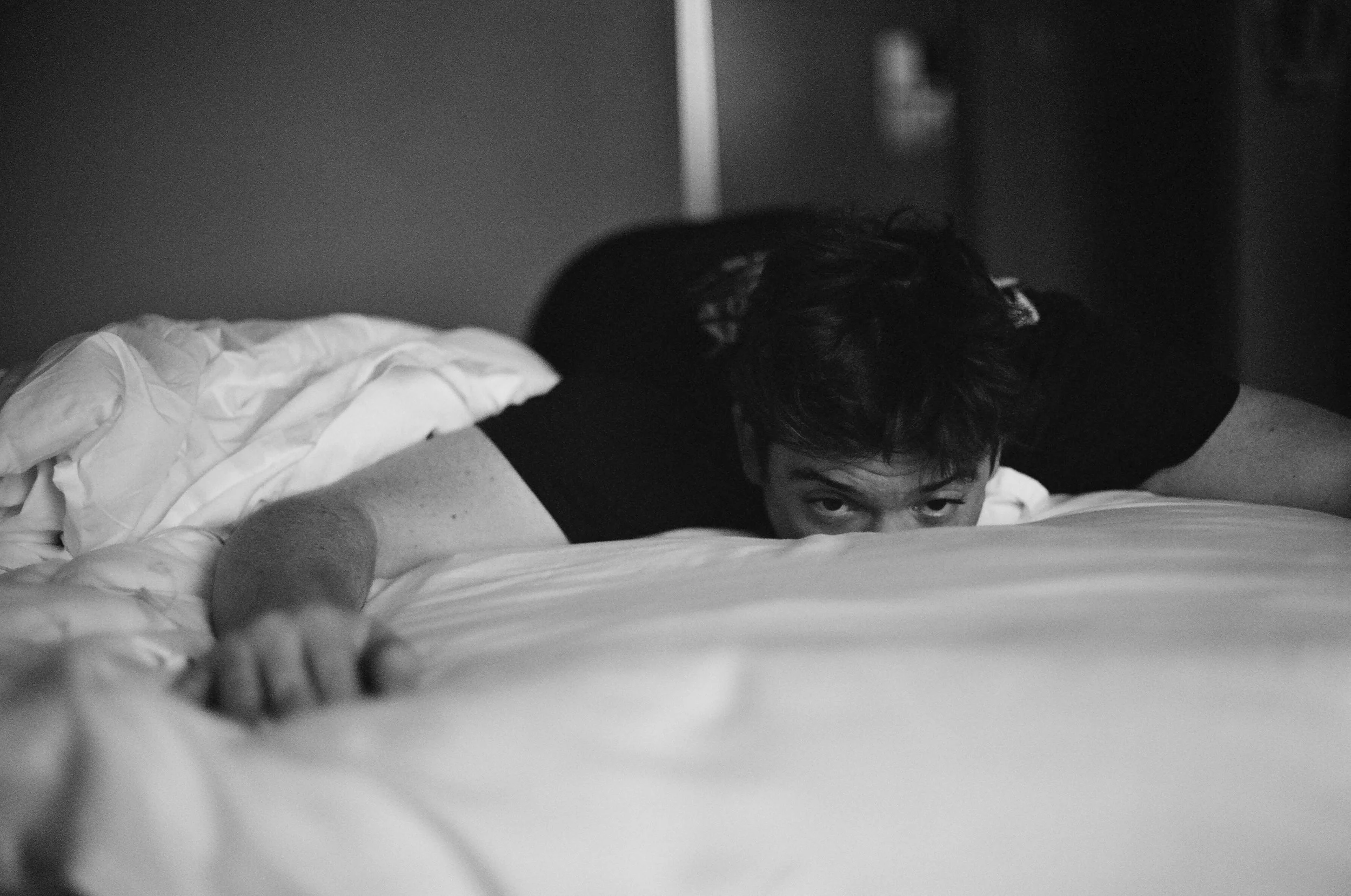
Grayson
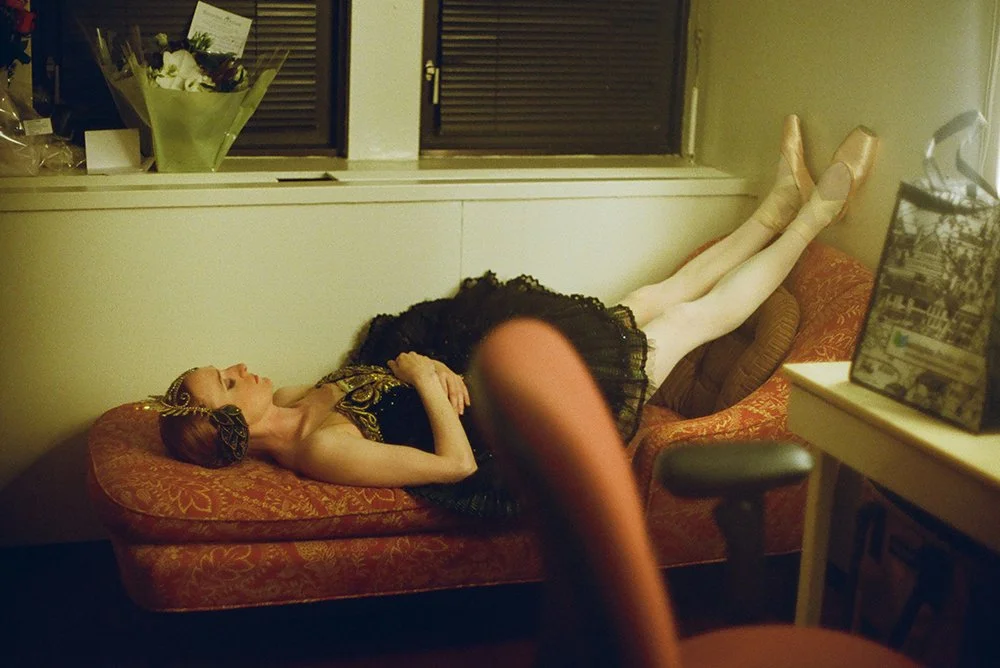
Gillian - HELD
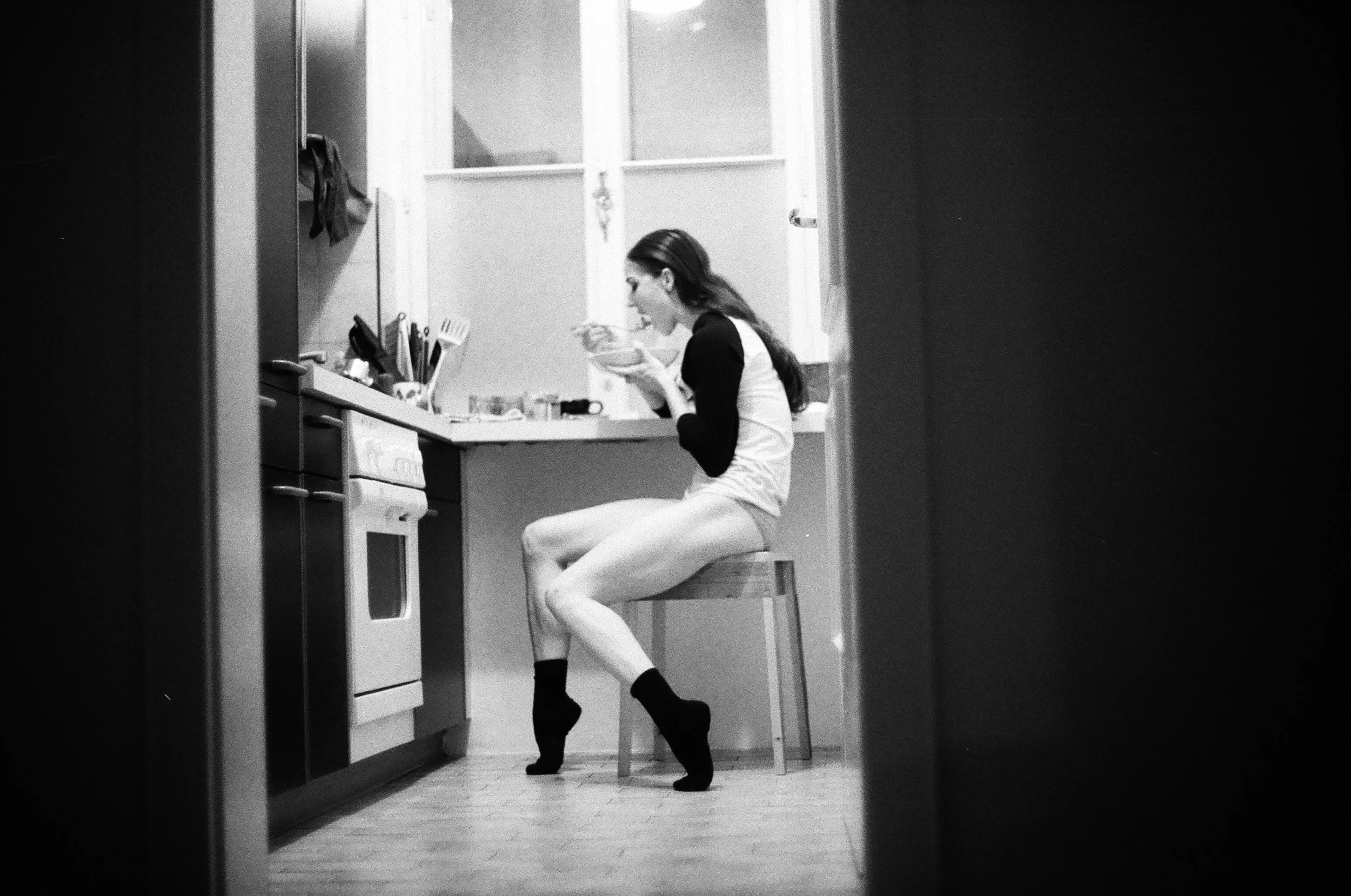
Post Performance Self, Portrait - HELD
![Amanda and Isabella - [4"x6"]](https://images.squarespace-cdn.com/content/v1/6a1d9911d875d348e09d9bf2/1b17bb74-6e11-4bf8-8b93-c01c29ebfac2/Screenshot+2026-07-26+at+3.04.48%E2%80%AFPM.png)
Amanda and Isabella - [4"x6"]
![Swan Arm - [4"x6"]](https://images.squarespace-cdn.com/content/v1/6a1d9911d875d348e09d9bf2/5d4b9e41-20e5-4813-98b6-82a6f68f1fdb/Screenshot+2026-07-26+at+3.07.02%E2%80%AFPM.png)
Swan Arm - [4"x6"]
![Isabella - [4"x6"]](https://images.squarespace-cdn.com/content/v1/6a1d9911d875d348e09d9bf2/1458a33d-633e-415b-9fd0-e0ad4fd8eee6/Screenshot+2026-07-26+at+3.05.44%E2%80%AFPM.png)
Isabella - [4"x6"]
![Wili Bent - [4"x6"]](https://images.squarespace-cdn.com/content/v1/6a1d9911d875d348e09d9bf2/c8d72581-6e20-49e1-b87c-9aca173fcd9a/Screenshot+2026-07-26+at+3.05.17%E2%80%AFPM.png)
Wili Bent - [4"x6"]
![Wili's Preparing - [4" 6"]](https://images.squarespace-cdn.com/content/v1/6a1d9911d875d348e09d9bf2/96eaf1f7-9e2a-48c4-bbe7-17d583fa4f19/Screenshot+2026-07-26+at+3.03.49%E2%80%AFPM.png)
Wili's Preparing - [4" 6"]
![Crew and Ballerina - [4"x6"]](https://images.squarespace-cdn.com/content/v1/6a1d9911d875d348e09d9bf2/33c64055-1d50-401d-8238-971612f2df2c/Screenshot+2026-07-26+at+3.03.02%E2%80%AFPM.png)
Crew and Ballerina - [4"x6"]
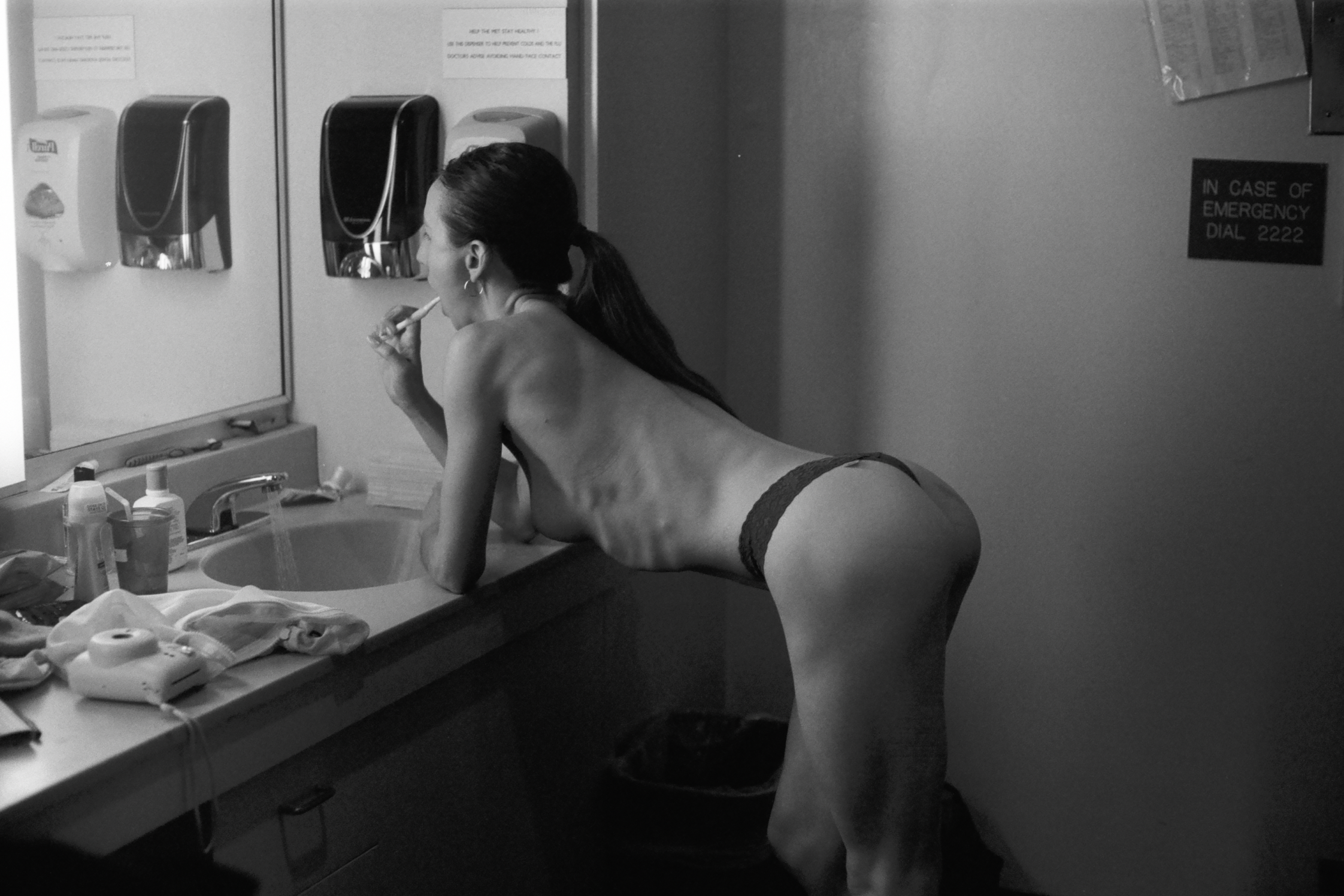
Isaballa Brushing
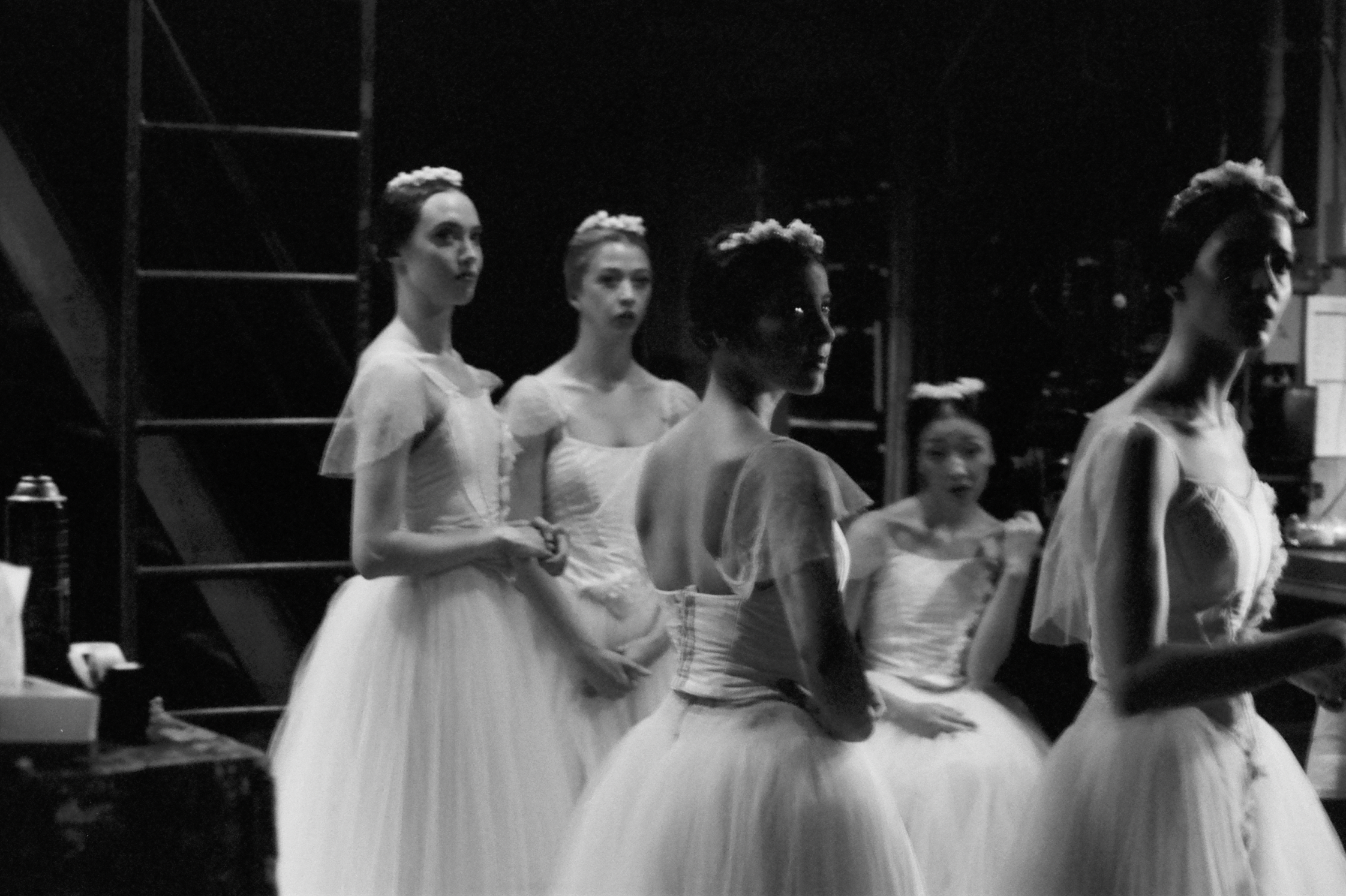
Wili's Attention
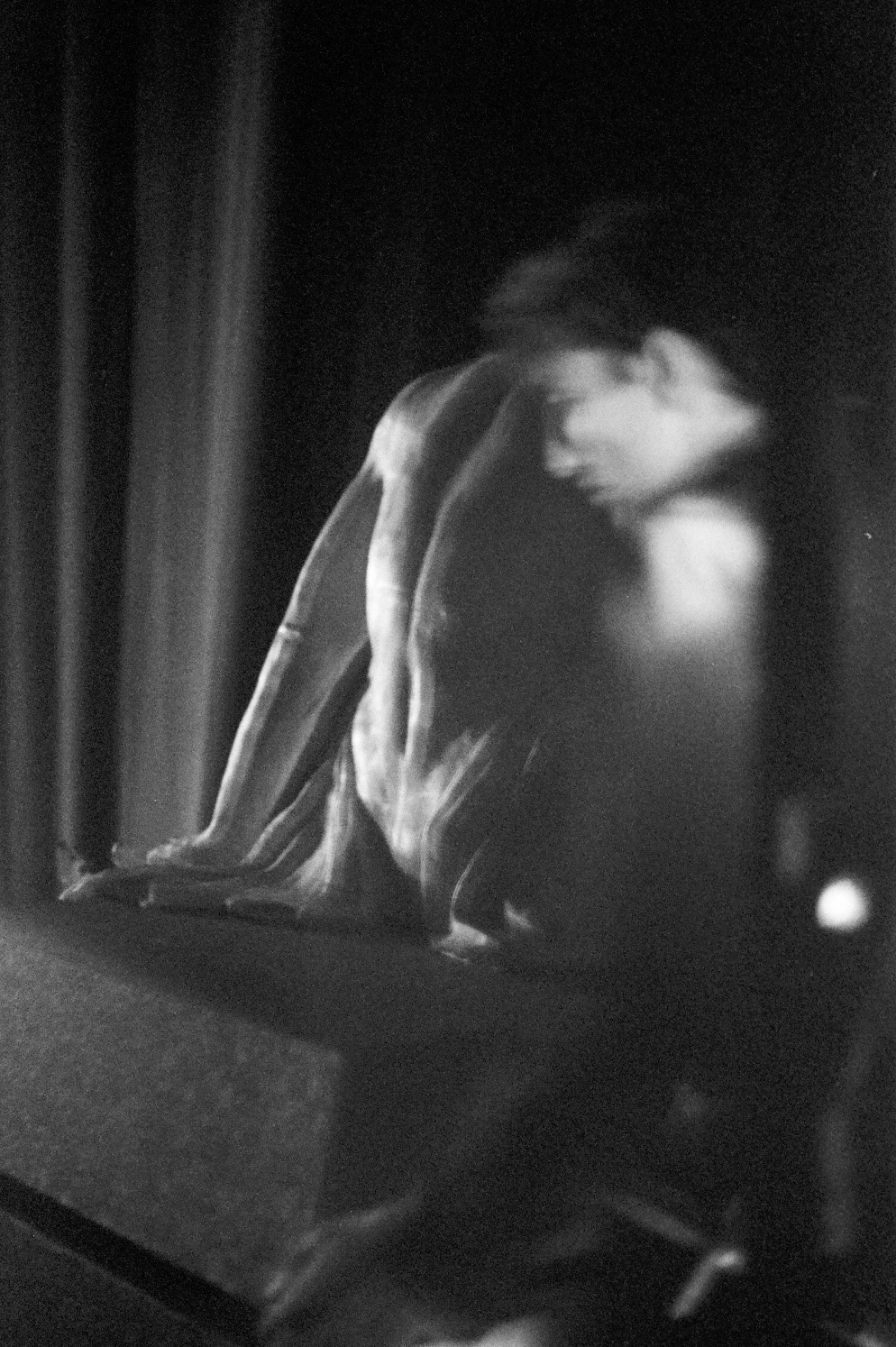
Joowan Backstage
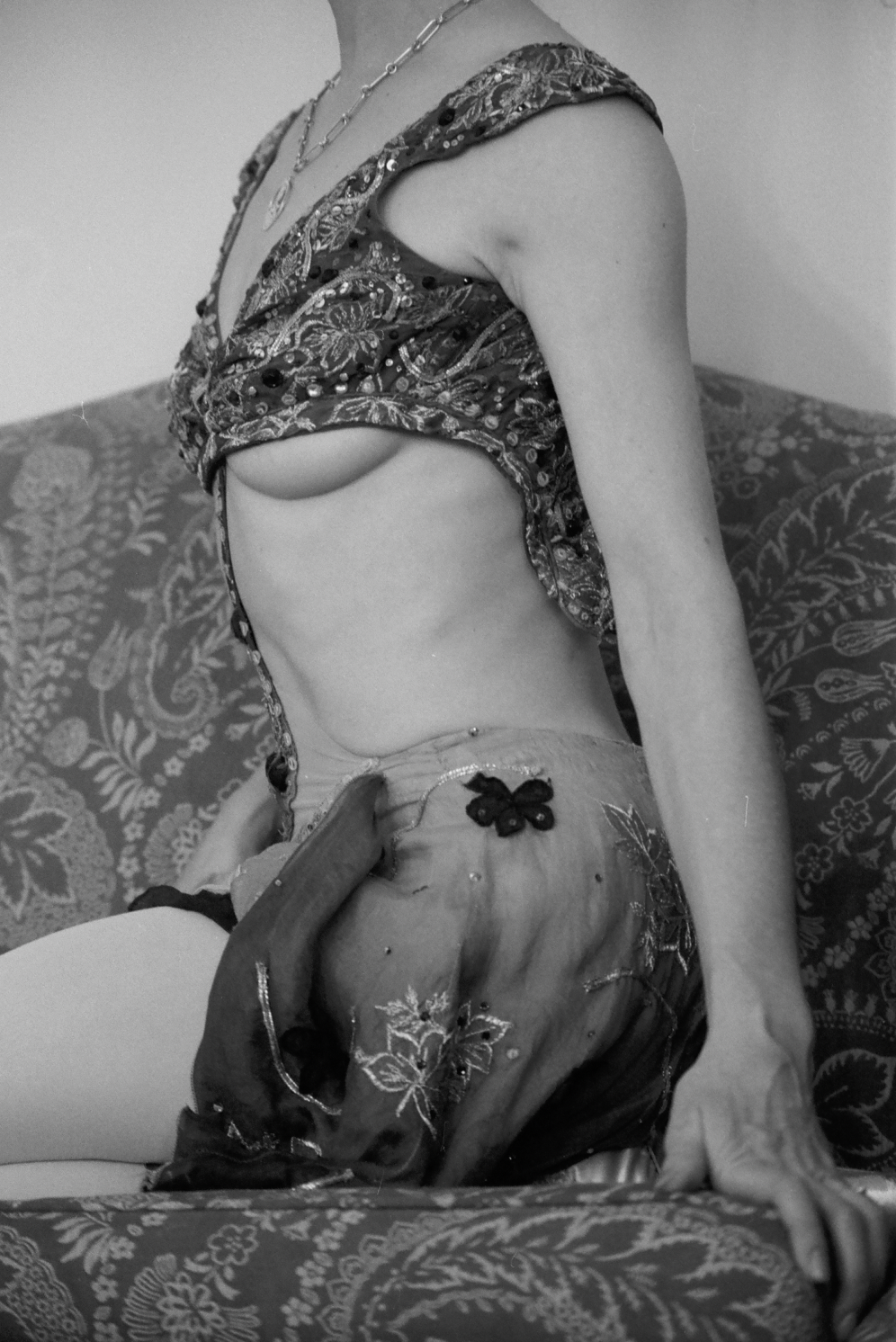
Sylvia Torso
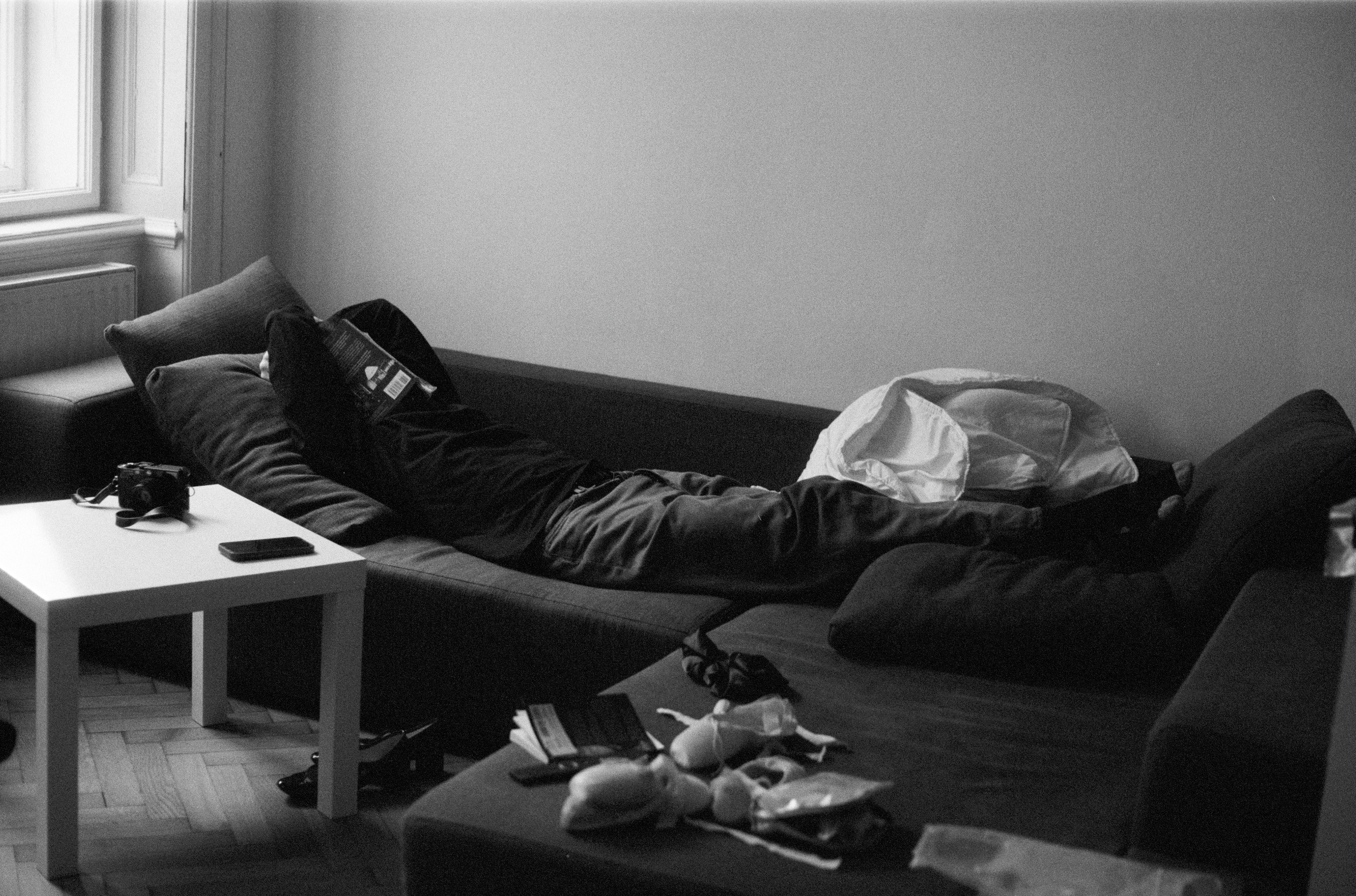
Sam Resting
![Sinthia and Ale - [4"x6"]](https://images.squarespace-cdn.com/content/v1/6a1d9911d875d348e09d9bf2/6ec3b5cf-bece-4e16-afb4-1e4c1e82b63f/Screenshot+2026-07-26+at+3.07.30%E2%80%AFPM.png)
Sinthia and Ale - [4"x6"]
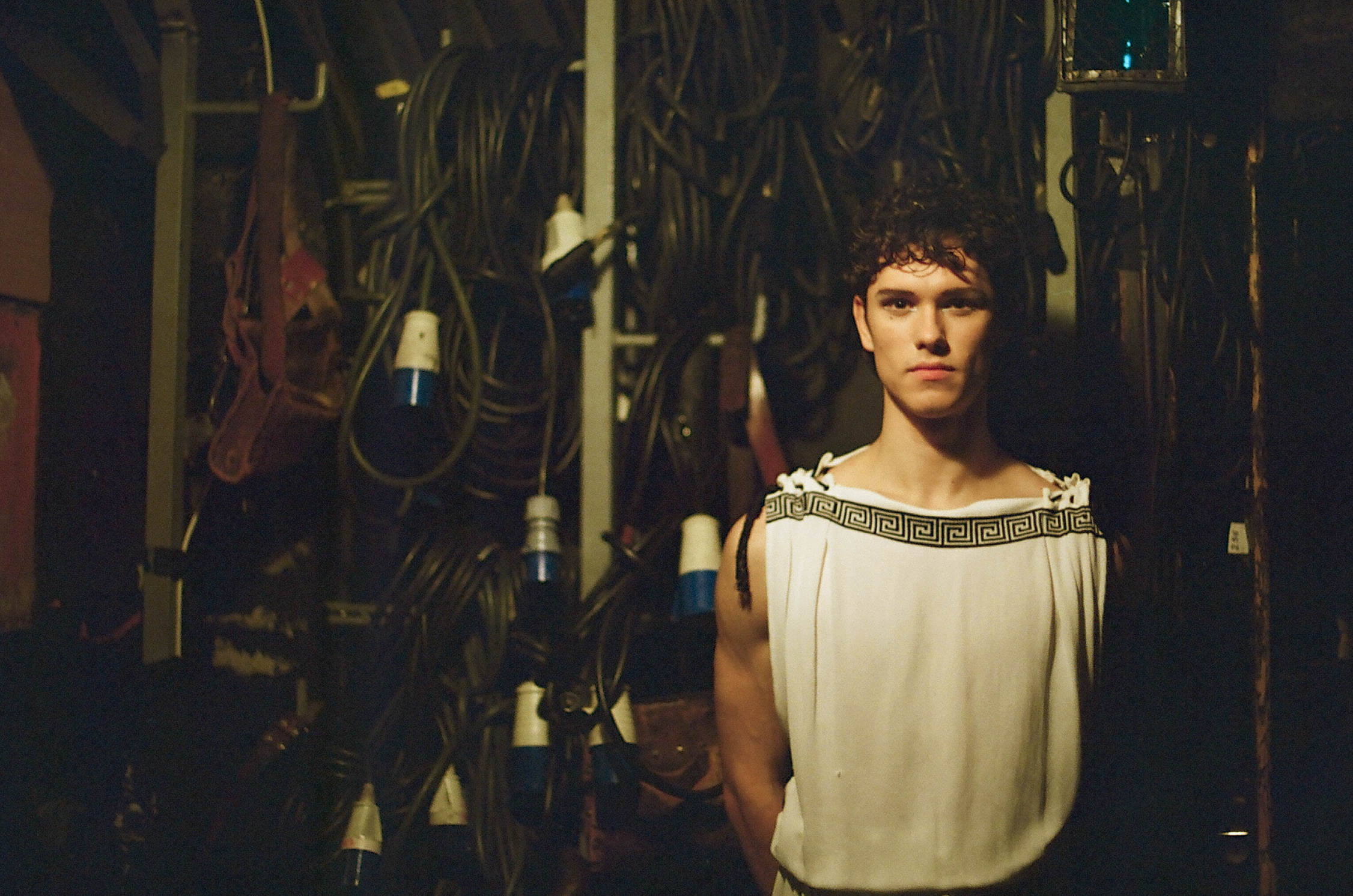
Lars
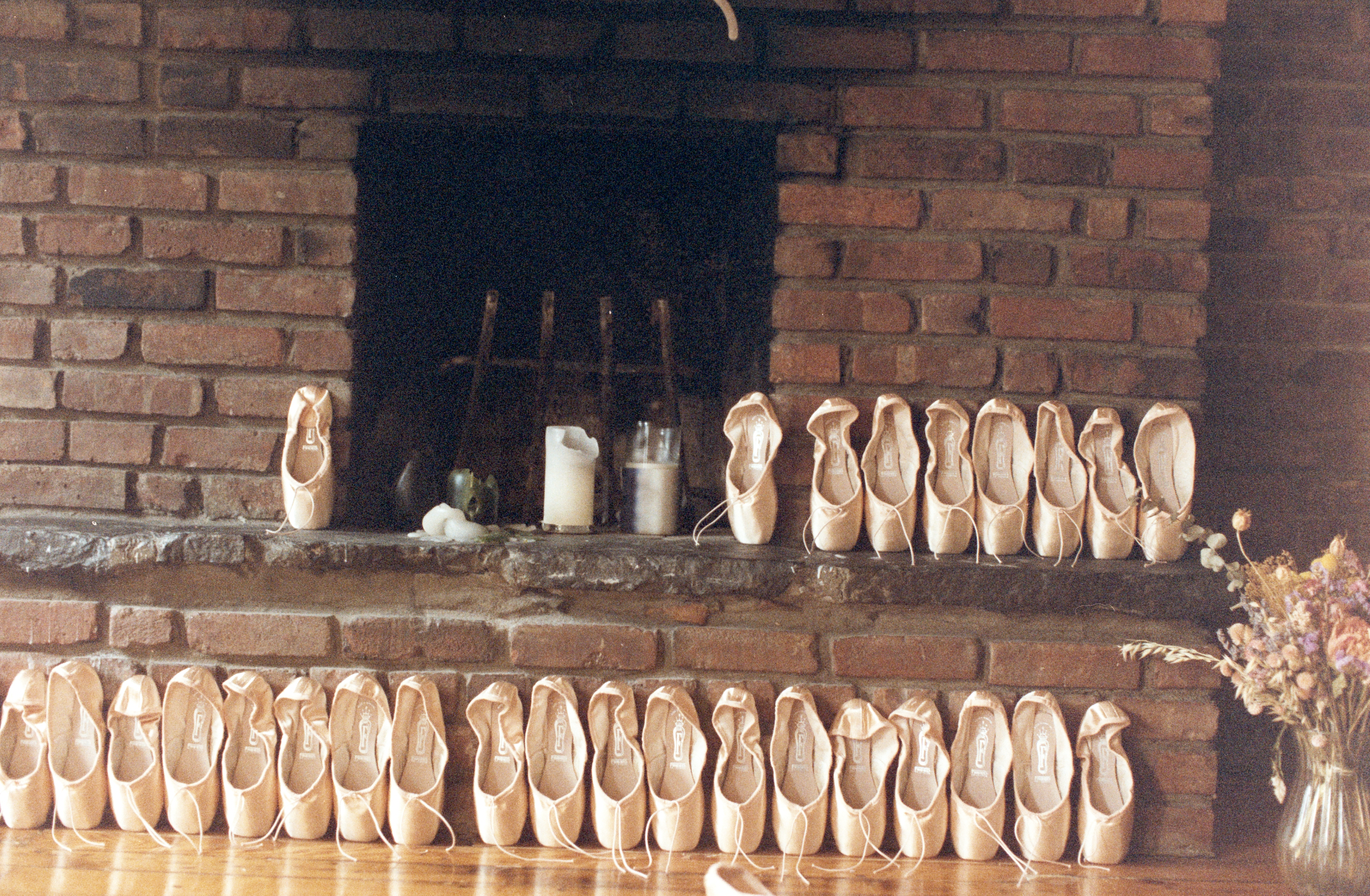
Drying
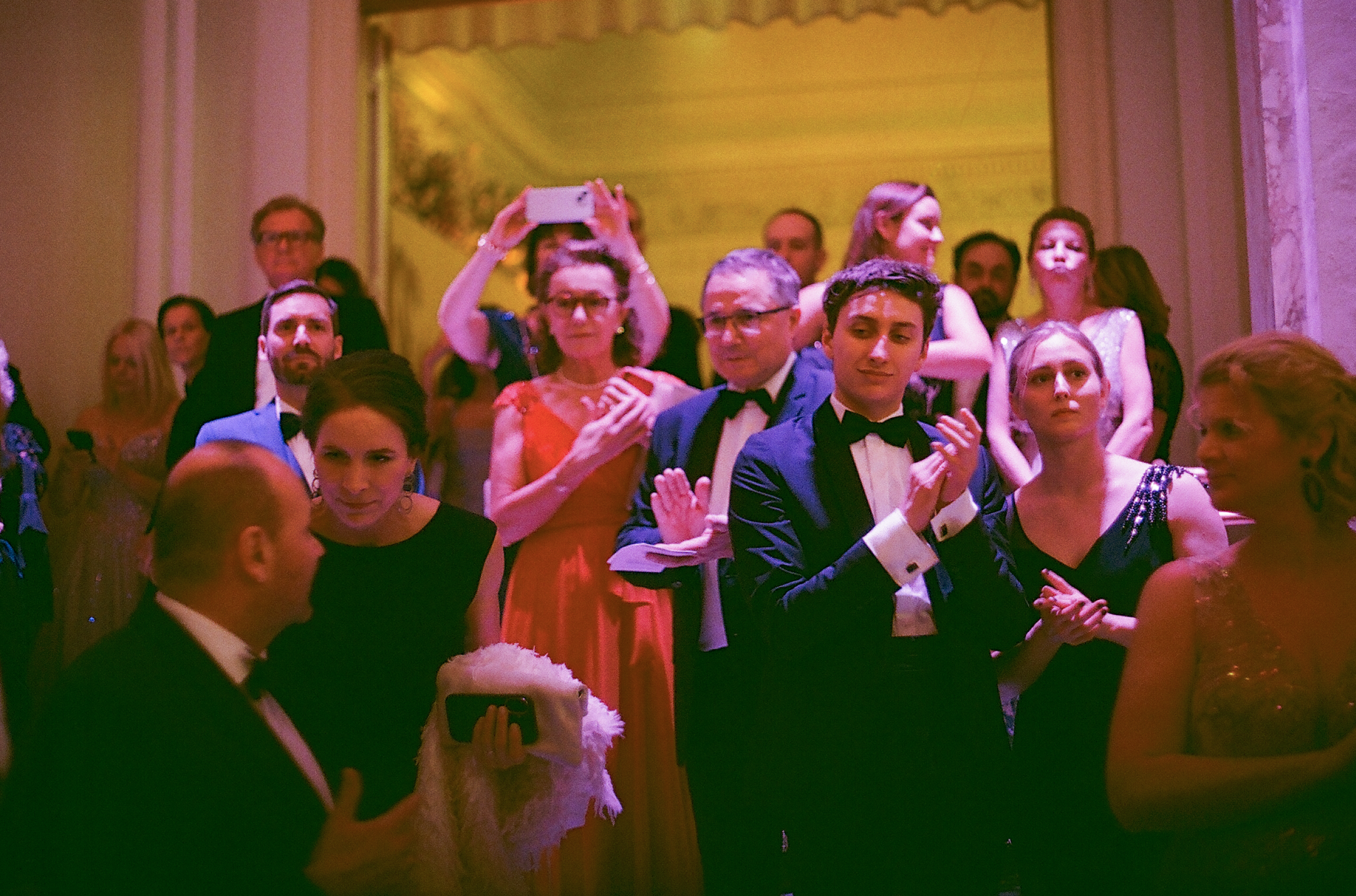
Ball Patrons
![Jess in Office - [4"x6"]](https://images.squarespace-cdn.com/content/v1/6a1d9911d875d348e09d9bf2/97d8e472-8a47-4ac7-9c54-77bdf01f4635/000537420017.jpg)
Jess in Office - [4"x6"]
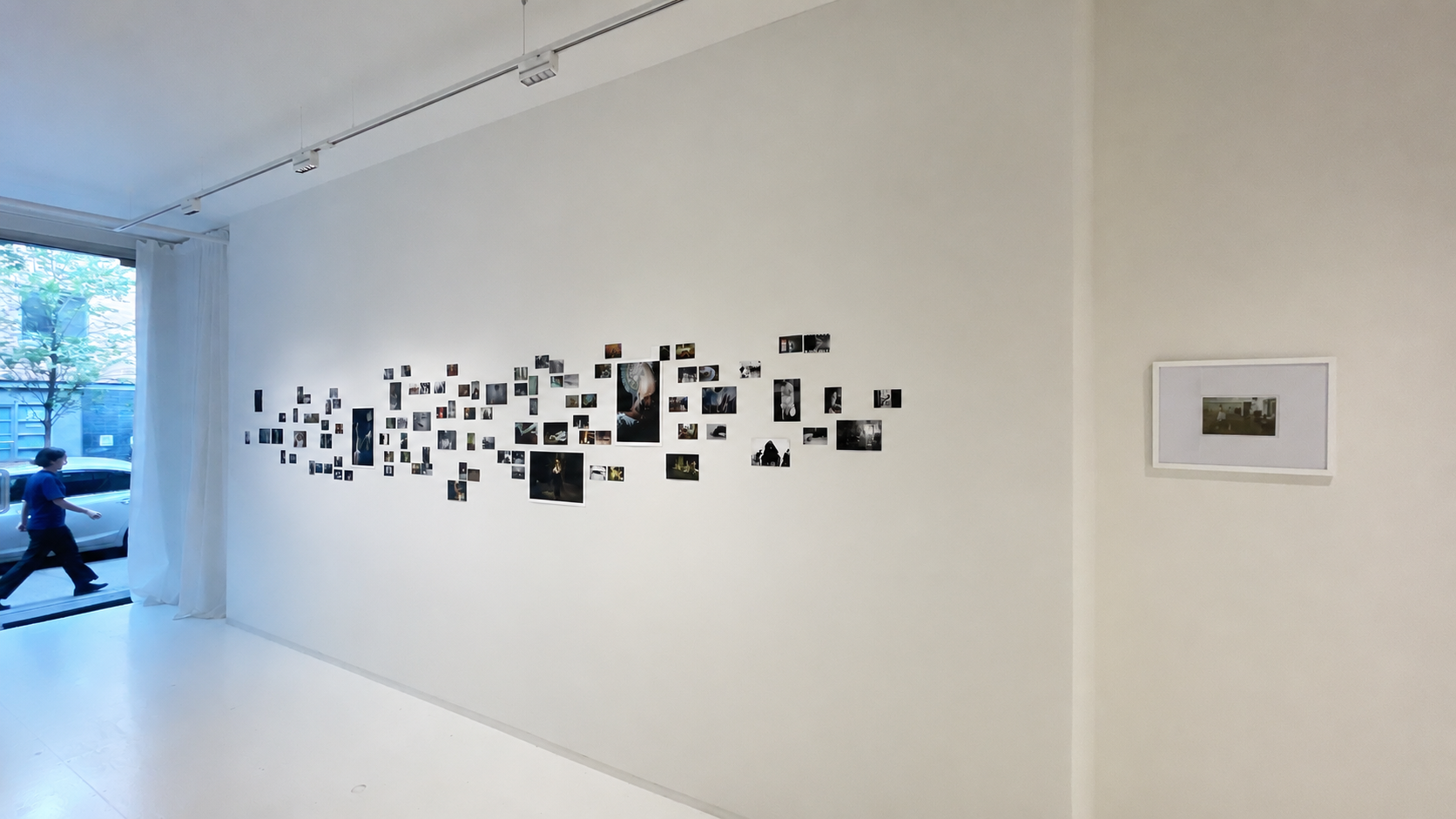
There is a particular energy backstage before a ballet begins. Pointe shoes crunch into rosin. The final spritzes of hair spray scent the air. A dancer stands in a half-laced tutu, delicately mimicking, with elegant hands, the choreography she’s about to do; her black eyeliner thick and exaggerated. Nothing has begun, yet everything has already ended.
I’ve known Cassandra Trenary primarily as a ballerina, meaning I’ve watched her spend her work life in transformation. Before I knew her as a friend I knew her as a fan, so I’d memorized the bio provided in the American Ballet Theatre programs–where she was a dancer for fifteen years, a principal for the final four of them–and could recite for you that she was born in Lawrenceville, Georgia in 1993, before I’d ever heard the softest hint of her gentle southern accent, something that the last year and a half as a principle dancer at the Vienna State Opera has also not been able to erase. Outside of these companies, her status as an internationally recognized principal dancer-star has offered her opportunities to collaborate with some of the greatest choreographers and artists at festivals and independent dance events around the world. When I first started watching her I was particularly taken by her incredible natural facility–in the ballet world that means sinewy, long and hyperextended legs, a soft back, high arches–and ethereal beauty, but that only briefly distracted me from her commitment to the intellectual pursuit of mastering the human body’s ability to convey universal human truths and emotions. I came for her beauty, in other words, but stayed for her brains.
-
Ballet asks impossible things of its dancers. It rewards certainty and precision onstage while demanding an almost unbearable tolerance for uncertainty off stage. Careers are finite. Bodies change. The role you’ve spent years dreaming about belongs to another girl until, suddenly, it belongs to you. Then, just as suddenly, it belongs to another, without rhyme or reason or often explanation.
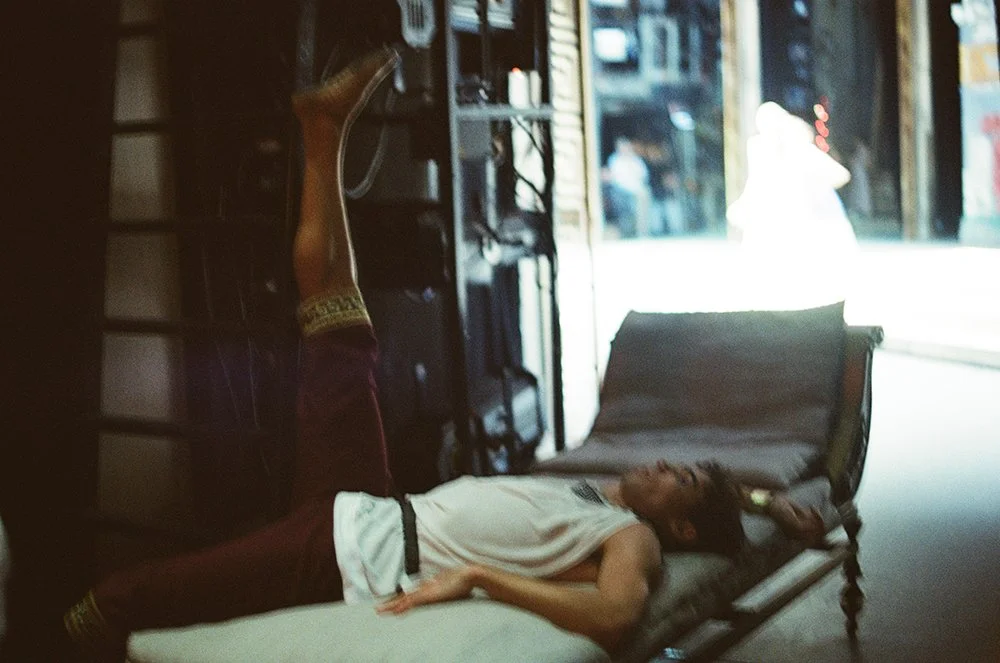
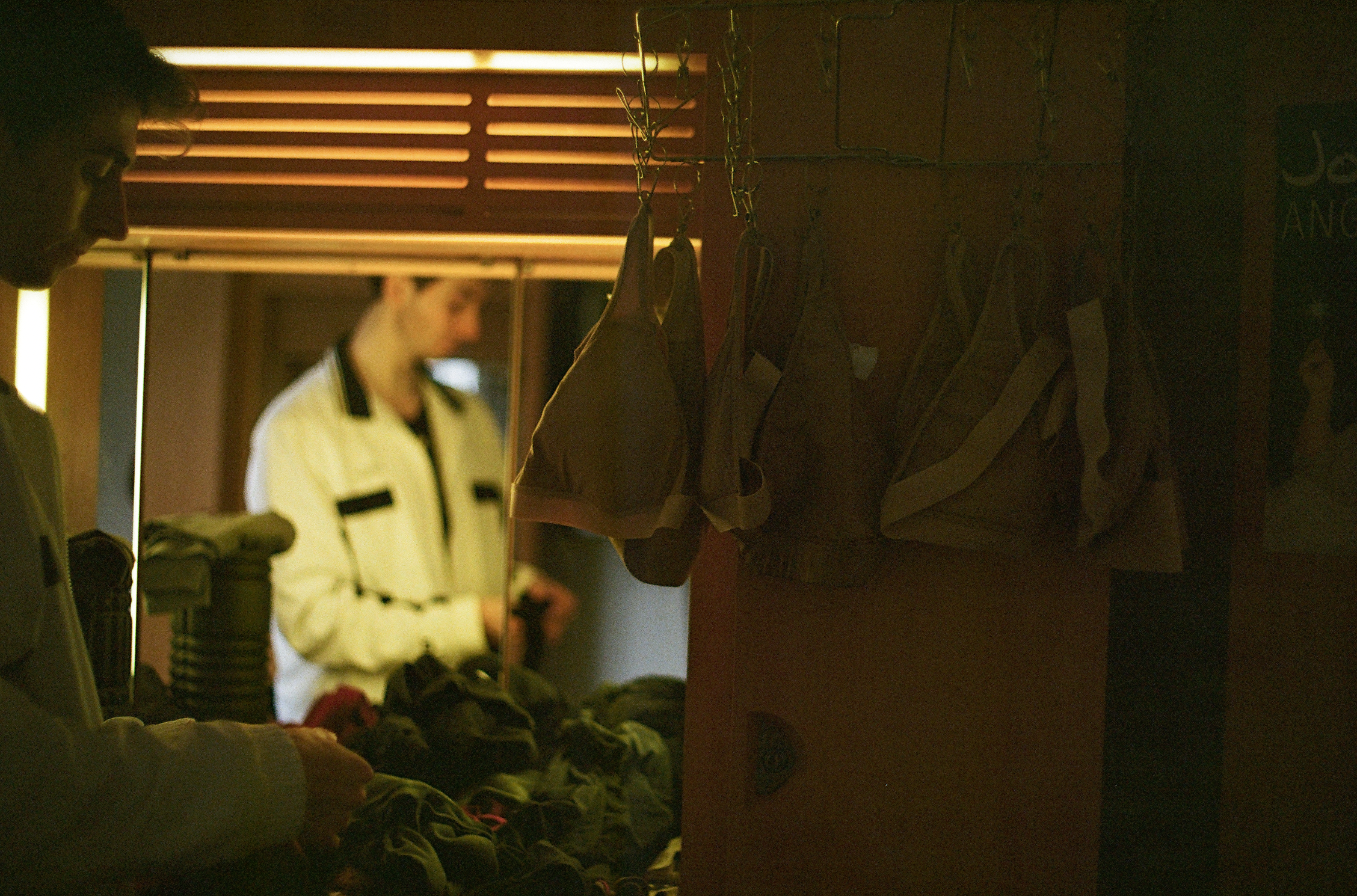
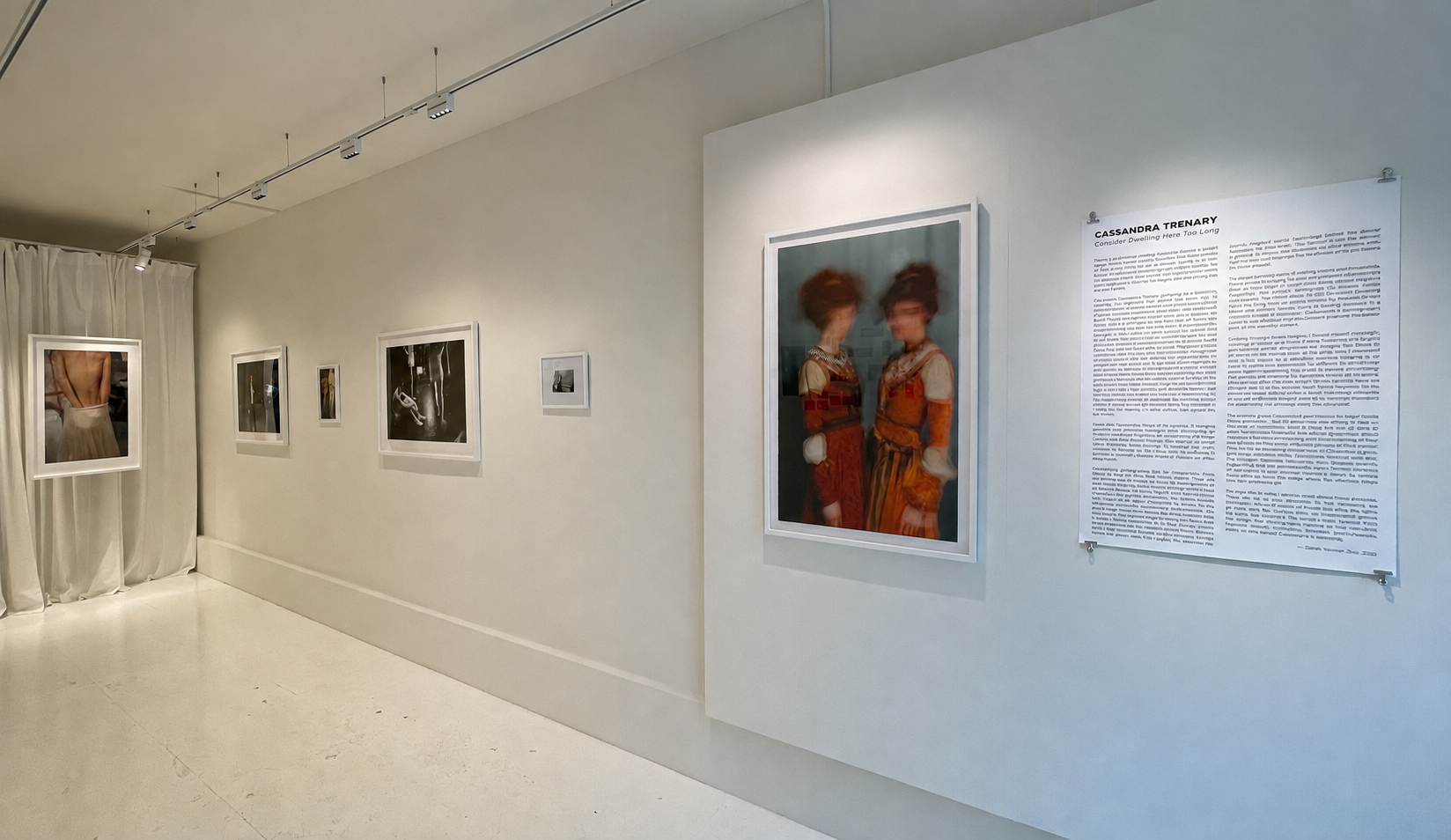
Cassandra’s photographs feel as inseparable from dance as they do from that interim space. They are not photographs of ballet so much as photographs of what ballet feels like. Unlike dance photographers such as Martha Swope or Arthur Elgort, who immortalized virtuosity—the perfect arabesque, the Italian fouette turn frozen at its apex—Cassandra is drawn to the whispered intimacies surrounding performance: the empty stage viewed from above before the dancers take their places, the audience eagerly waiting for Swan Lake to begin. Topless ballerinas sit in their thongs, pointe shoes crammed into the radiator behind them. Mirrors reflect half-costumed bodies caught between private selves and public ones. Like Degas, she captures the secret, magical world backstage before the dancer becomes the character. The dancer is still the dancer. A person. A person who depends on other people; who, half the time, can tolerate the harshness of the job thanks to those people.
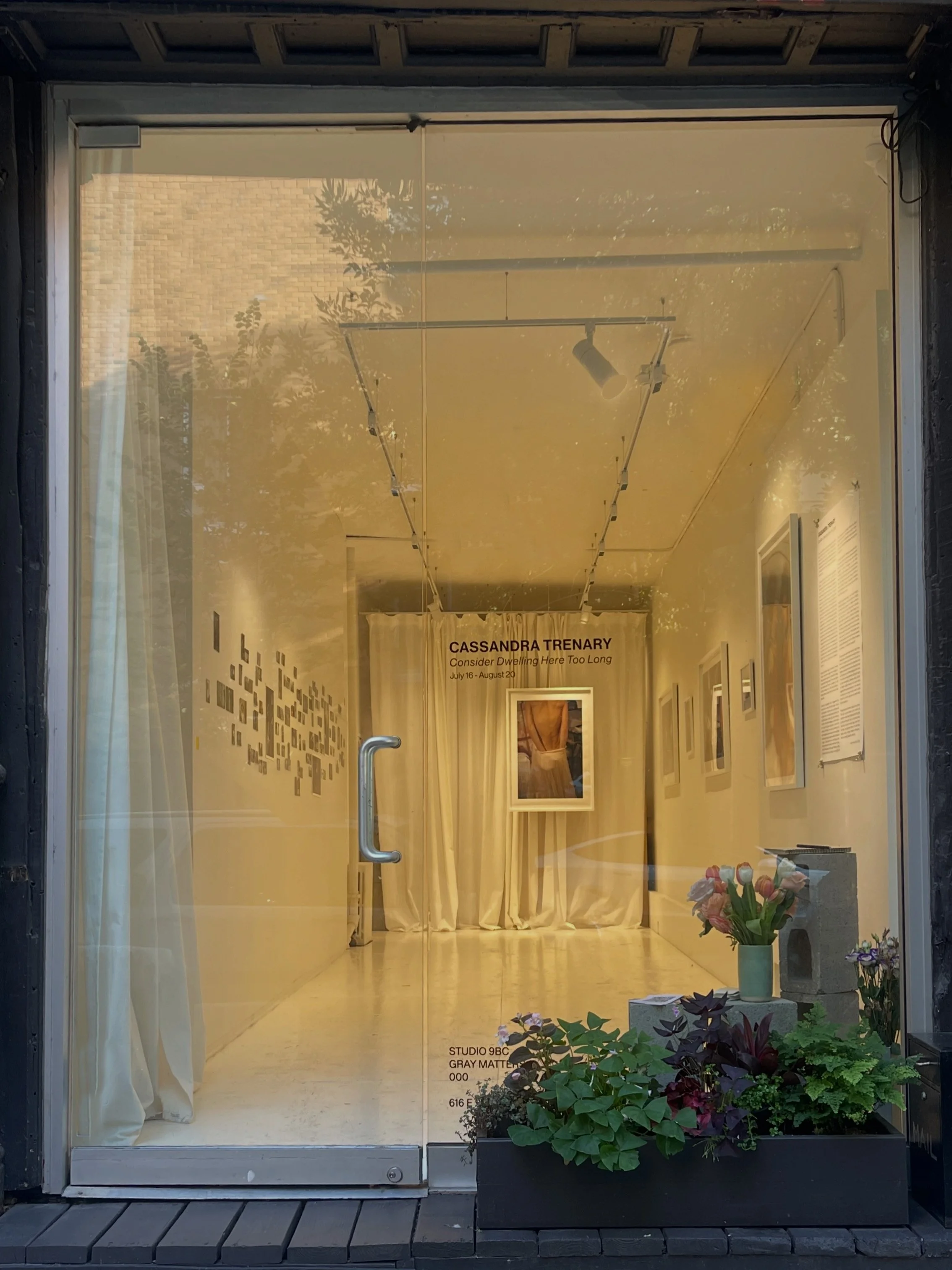
These are photographs of waiting rooms and thresholds. They convey a longing for past and present relationships even as they linger in what John Keats called negative capability: the artist’s willingness to remain inside uncertainty. The show takes its title Consider Dwelling Here Too Long from an article written by Melissa Kirsch about the uneasy human work of finding comfort in a constant state of liminality. Cassandra’s photographs seem to ask whether that discomfort is where the better part of life actually occurs.
Looking through these images, I found myself nostalgic, thinking of myself as a child, a baby ballerina in a largely pre-internet world, desperate for images like these to let me in on the secret lives of the pros who I obsessed over. That return to a childlike creative longing is so hard to retain into adulthood, so difficult to recultivate years later—something this artist is clearly prioritizing. Her photos are haunted by questions many of us avoid. Who are we after the role ends? Which identity have we chosen, and is it the correct one? What happens to the world we leave behind when a body inevitably assumes a new and different shape? Can truly intimate moments be performed, or can they only be captured?
The camera gives Cassandra permission to linger inside those questions. Not all ballerinas are willing to take on this line of inquisition, just as they are not all able to push themselves towards true artistic greatness, which requires a fearless envisioning and re-envisioning of their own future as they enter different phases of their career. There is thus a knowing tenderness in Cassandra’s gaze, but never sentimentality. Loneliness without self-pity. The images collapse memories into present events, suggesting that we permanently carry former versions of ourselves in our muscle memory, ready to schlep them with us onto the stage when the maestro steps into the orchestra pit.
Perhaps this is what I admire most about these pictures. They ask us to pay attention to the moments we overlook— the soft intake of breath just after the lights go dark and the curtain rises, an interrupted phone call with our mothers, the empty stage viewed from the wings. Her photographs remind us that narrative happens quietly, intimately, between performances, while no one except Cassandra is watching.
— Sarah Hoover July, 2026